





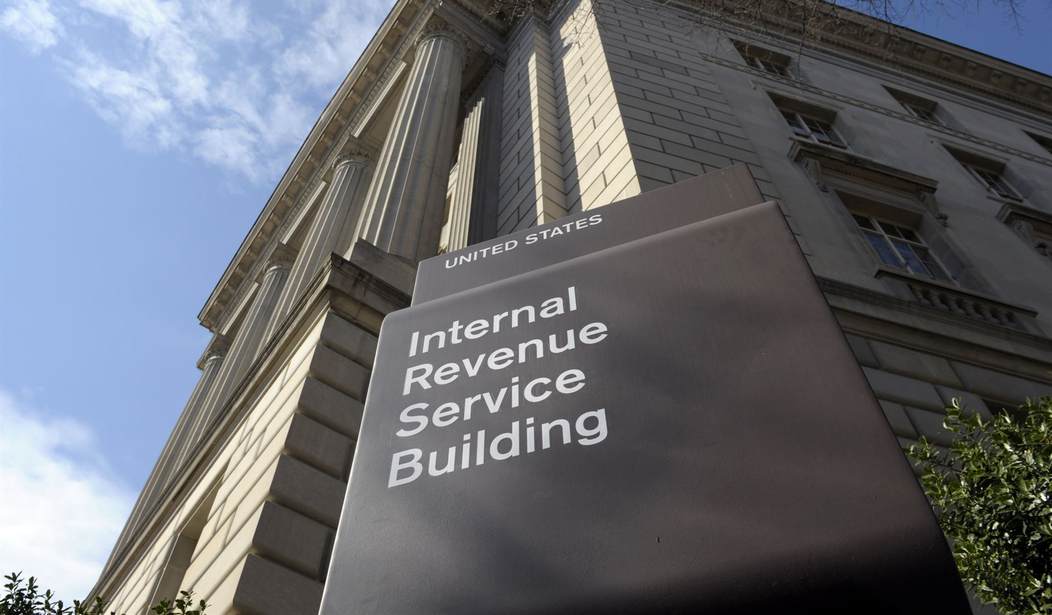
The auditing apparatus at the Internal Revenue Service (IRS) is shrinking — and fast. The Trump administration envisions a 50 percent workforce reduction at the IRS. Already, the number of workers at the agency is poised to drop 18 percent. The audits division has been reportedly hit hard, with the IRS having to cancel several large audits planned for the near-term. While not all IRS audits are bad, the agency has a track-record targeting low-income and vulnerable populations in its review process. Hopefully, a leaner auditing staff focuses on truly criminal activity rather than picking on struggling communities. It’s time to audit the IRS’ auditing process.
It’s expensive to be poor. According to data from Syracuse University's Transactional Records Access Clearinghouse (TRAC), nearly 50 percent of the IRS’s total audits targeted families making less than $25,000 per year. In a 2019 report for ProPublica, Paul Kiel and Hannah Fresques note, “Humphreys County, Mississippi, seems like an odd place for the IRS to go hunting for tax cheats. It’s a rural county in the Mississippi Delta known for its catfish farms, and more than a third of its mostly African American residents are below the poverty line. But ... it is the most heavily audited county in America.”
The reason for this income (and racial) gap in auditing is the Earned Income Tax Credit (EITC), which offers tax relief for low-income households with demonstrated earnings. In other words, if you have the chutzpah to be poor and work, the taxman will likely pay you a visit.
It is certainly true that the EITC program is plagued by erroneous payments. The IRS estimates that an astounding one-third of all program claims are paid in error. But the auditing process is a remarkably ineffective tool for dealing with this problem. As former United States Taxpayer Advocate Nina E. Olson noted in congressional testimony, more than one-quarter of taxpayers being audited for EITC reasons did not even understand that they were being audited. An even greater percentage — almost 40 percent — simply did not understand what the IRS was asking them about their tax returns. And even assuming seamless understanding between taxpayers and the IRS, clawing back dollars is hard to do for a population with low savings rates. Among households targeted by the IRS for EITC audits, only about one-third even have a bank account.
In her testimony, Olson did offer a promising alternative to the current audit-heavy approach. Before paying out tax credits, the IRS could make greater use of third-party information, such as company records of payments made to individuals and other businesses. These records could then be matched to EITC claimants’ tax returns to ensure there are no discrepancies. For example, someone may claim on paper to only earn $20,000 per year, but that could be contradicted by a local businesses’ return showing that claimant was paid $80,000 per year. This information could easily be cross-checked, but only with a robust processing system that the IRS simply doesn’t have.
The agency has been undergoing a “strategic re-assessment” of its modernization strategy, but it’s been difficult to entirely ditch the 1960s-era core tax processing system for assessing individual tax accounts. It’s critical that the Department of Government Efficiency maintains close watch over this process and ensures that the IRS doesn’t get distracted by costly side projects. One such side project has been Direct File, which was ostensibly put in place to make taxpayers’ lives easier during Tax Season. Unfortunately, there is a wide and growing gap between this expectation and reality.
The truth is that the IRS has acted with wanton disregard toward taxpayers throughout the entirety of Direct File’s history. The Inflation Reduction Act provided $15 million to study the feasibility of such a program, which the agency took as license to launch a pilot program with the help of a left-wing non-profit. The study estimated that Direct File would cost taxpayers anywhere from $64 million to $249 million annually, but according to reviews by the Government Accountability Office and Inspector General, the “IRS had no documentation to support the underlying data, analysis, or assumptions used for Direct File cost estimates.” The IRS, which is notorious for cost overruns, feels that it has no obligation to level with taxpayers about true program costs.
The IRS should quit focusing on distractions and dead ends such as Direct File and direct its attention to effectively processing returns. With the right technology and strategy, there’s no need for the agency to go after vulnerable populations on the taxpayer’s dime.
Ross Marchand is a senior fellow at the Taxpayers Protection Alliance.



Join the Conversation
VIP members get the ability to comment on articles.