







Blackouts are awful, especially as fans across the country watch their teams implode just in time for the playoffs (or, in the case of impeachment, the election season). Viewers have had to endure more than 230 blackouts because of outdated television rules. Congress has within its power to offer a path to reform, but only if lawmakers reject narrow legislation that prioritizes nitpicking over real changes to the system. For the sake of millions of Americans planning a Super Bowl party or cheering on their political party, Congress must make it easier for consumers to enjoy quality programming.
Sitting down in front of the TV with beer in one hand and a slice of pizza in the other, most Americans don’t want to think about the tortuously complex process by which TV signals and programs travel to their sets. Around three-quarters of Americans still have a traditional pay TV provider, and these companies must obtain permissions from programmers (think Fox and CBS) on top of copyright royalties they’ve already had to pay for decades. This extra layer of permissions imposed by the government sets the stage for the thorny issue of “retransmissions consent,” where programmers charge cable operators exorbitant sums in order to get their TV signals to consumers. Programmers are increasingly feeling the heat to gouge pay TV providers via sky-high fees since the advertising revenues at the heart of their business models are going the way of the dodo. But when fees are high, negotiations tend to break down. And when negotiations break down, screens go dark (or staticky) for millions of viewers.
First, here’s the good news. There’s at least some appetite for reforming this byzantine system and ending the government-mandated retransmissions regime. In July, House Republican Whip Steve Scalise (R-La.) and Rep. Anna G. Eshoo (D-Calif.) unveiled legislation that would end this deeply-dysfunctional system and make copyright markets the main arbiter of TV signals. Like so many promising pieces of legislation, this was promptly buried in the congressional graveyard. Now, lawmakers are hoping to reauthorize legislation that would at least mandate “good faith” retransmissions negotiations, essentially buying time for Congress to take another stab at reform.
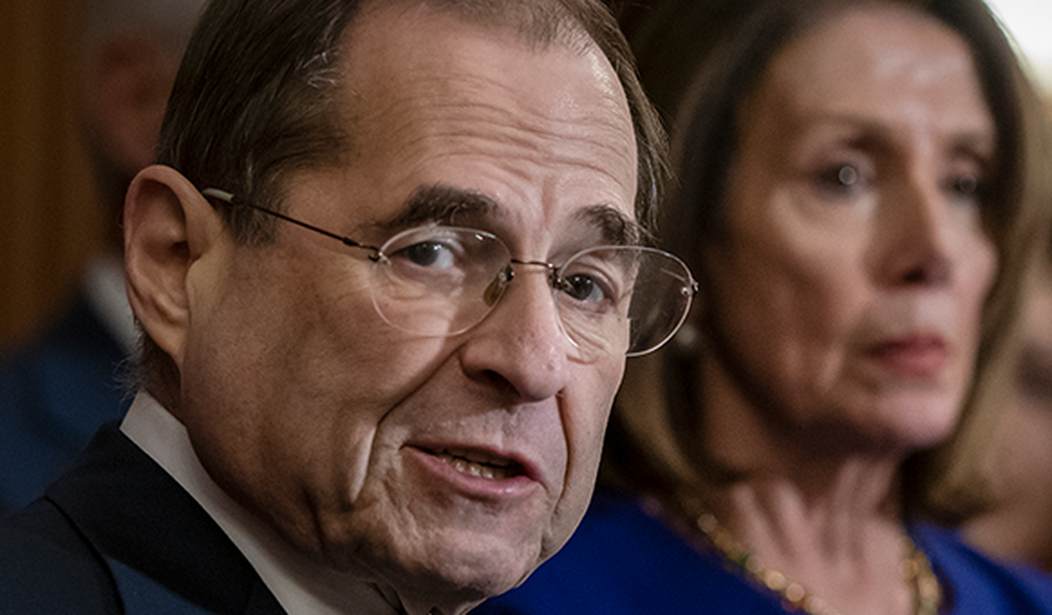
Enter House Judiciary Committee Chairman Jerrold Nadler (D-NY), who wants to hijack this good faith process by expanding the broken retransmissions system. Introduced in November, Chairman Nadler’s “Satellite Television Community Protection and Promotion Act of 2019” (H.R. 5140) would subject millions of rural Americans to the retransmissions system that they were previously exempted from. Under current law, underserved households with no local TV stations enjoy access to the “distant-signal satellite license,” which allows families to beam in far-away networks. This process bypasses the retrans hoopla and provides vital programming to 870,000 families that would otherwise not have access to news and entertainment. The system’s reliance on compulsory licensing makes it far from perfect, but it at least helps millions of consumers avoid blackouts inflicted by failed negotiations and outrageous retransmissions fees.
Chairman Nadler’s legislation distracts from the pressing issue of retransmissions reform, and instead focuses on narrow provisions that would worsen the problems posed by the current system. Instead of passing H.R. 5140, lawmakers should push for continued good-faith, limited retransmissions negotiations and set the stage for more comprehensive reform.
Congress missed its chance to enact Reps. Scalise and Eshoo’s proposal and is now stuck between a rock and a hard place. But expanding retransmissions negotiations would be a step away from a more market-based system that would keep TV stations live-and-kicking for millions of Americans. Hopefully, Congress cleans up the broken, needlessly-complicated system in time for Superbowl 55, or the next bit of impeachment drama.


Join the Conversation
VIP members get the ability to comment on articles.