





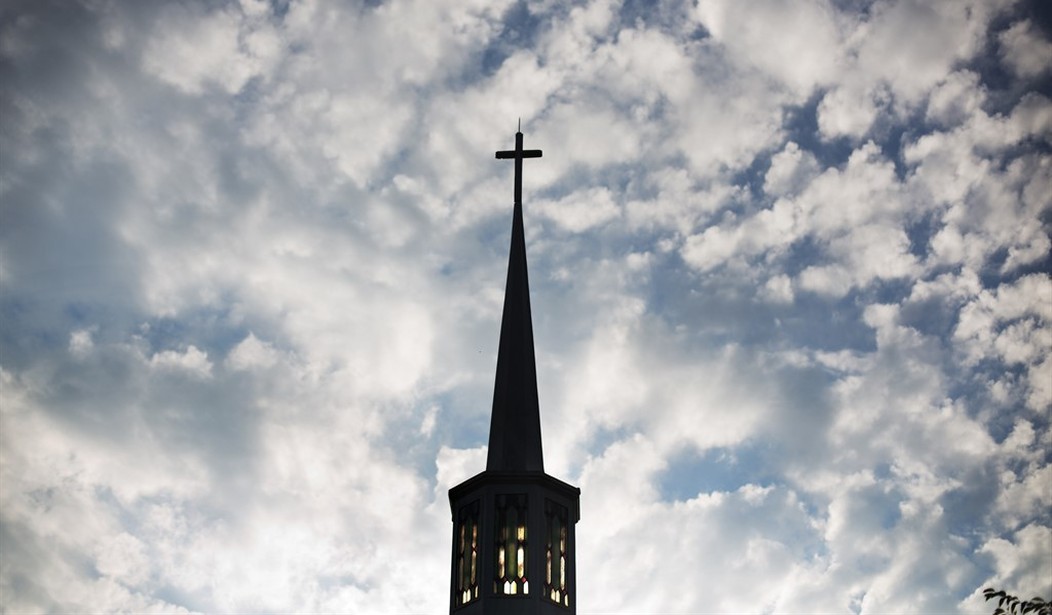
In the span of several weeks, American churches—CrossPointe Community Church in Wayne, Michigan, Manantial de Vida Church in Naples, Florida, and Richmond Road Baptist Church in Lexington, Kentucky—faced imminent threats of mass violence. Most recently, in Lexington, two worshipers were tragically killed and several others wounded after a gunman stormed into a Sunday service.
Thankfully, at CrossPointe and Manantial de Vida, tragedies were averted in large part due to quick-thinking staff and security teams. Yet all three of these incidents underscore a sobering truth: Houses of worship are increasingly vulnerable and must proactively develop comprehensive safety and security plans.
On June 22, 2025, Brian Browning, a 31-year-old man wearing tactical gear and armed with an AR-15-style rifle and a handgun, opened fire outside CrossPointe Community Church during a Sunday service attended by approximately 150 people, including children. A deacon acted swiftly, using his pickup truck to strike Browning, slowing him down. This courageous act allowed several other safety team members, who had just attended a USCCA training class focussing on Protecting Houses of Worship, to incapacitate the attacker, preventing a potential massacre
Just days later, on July 6, 2025, in Naples, Florida, 23-year-old Angel Antonio Arreguin entered Manantial de Vida Church during a service, claiming to be a trained killer and asking how much money it would take to stop a mass shooting. He had a loaded handgun and 60 rounds of ammunition. Church staff managed to discreetly alert law enforcement while ensuring the safety of congregants, particularly children. Deputies arrived promptly, disarmed Arreguin, and arrested him before any harm could occur
These incidents are not isolated. According to the FBI, hate crimes targeting religious groups have been on the rise, and houses of worship have increasingly become targets for individuals seeking to inflict harm. The motivations vary—from ideological extremism to mental health crises—but the threat is real and growing.
Historically, many faith communities have resisted implementing security measures, fearing that such actions might create an atmosphere of fear or contradict their spiritual mission. However, ensuring the safety of congregants is not antithetical to faith; rather, it is a manifestation of stewardship and care.
Developing a security plan does not mean turning places of worship into fortresses. It involves:
- Risk Assessment: Understanding potential threats specific to the community and location.
- Emergency Preparedness: Establishing clear protocols for various scenarios, including active shooter situations, medical emergencies, and natural disasters.
- Training: Providing staff and volunteers with training on how to respond during emergencies.
- Collaboration with Law Enforcement: Building relationships with local police and emergency services to ensure rapid response when needed.
- Communication Plans: Ensuring that there are effective ways to communicate with congregants during and after an emergency.
The heroism displayed by individuals at CrossPointe Community Church and Manantial de Vida Church was extraordinary and their actions certainly saved lives. However, relying solely on individual bravery is not a sustainable security strategy. Proactive planning and preparedness are essential.
Faith leaders must recognize that in today's world, spiritual guidance must be accompanied by practical measures to protect their communities. By embracing comprehensive safety and security plans, houses of worship can continue to be sanctuaries of peace and hope in an increasingly uncertain world.
Rob Chadwick is the Head of Personal & Public Safety for the USCCA for the United States Concealed Carry Association (USCCA). A 30-year law enforcement veteran and former head of the Tactical Training Unit at the FBI Academy in Quantico, Rob has trained elite teams, led SWAT operations, and protected six U.S. Attorneys General. A recipient of the FBI Director’s Medal of Excellence for Training, he now empowers everyday Americans with the knowledge and skills to defend and protect.

Join the Conversation
VIP members get the ability to comment on articles.