



In America, it's easy to take freedom speech for granted. After all, for citizens of the United States, free speech is a birthright, an ideal deeply woven into the fabric of society and culture. Sometimes, however, our ideals come into conflict with reality, and our convictions are put to the test. When a cherished liberty is exploited for a dubious purpose, do the perpetrators of that exploitation retain the right to exercise that liberty, or should the right be circumscribed "for the greater good?"
The US Supreme Court answered this question last week with its ruling that the anti-military, anti-gay protest activities of the Westboro Baptist Church (WBC) are protected under the First Amendment to the Constitution. This was not welcome news for those who believe that something should be done to protect grieving families of fallen soldiers from the vitriol of a lunatic "pastor" and his overzealous followers. As disgusting and offensive as WBC's conduct is, however, the general consensus among legal experts and pundits on the Left and Right is that the Supreme Court made the right decision. Chief Justice John Roberts took pains to articulate why the Court came down on the side of the protestors in this case:
"Speech is powerful. It can stir people to action, move them to tears of both joy and sorrow, and – as it did here – inflict great pain. On the facts before us, we cannot react to that pain by punishing the speaker. As a Nation we have chosen a different course – to protect even hurtful speech on public issues to ensure that we do not stifle public debate. That choice requires that we shield Westboro from tort liability for its picketing in this case."
Chief Justice Roberts and his colleagues are absolutely correct here. The blessings of living in a free society come with the unavoidable consequences of that freedom: inevitably, misguided – and sometimes evil – people will use that freedom to spew hateful, hurtful speech. Yet, as much as we may wish to use the force of law to impose civility on public discourse, it is not the government's job to police the thoughts and words of its citizens.
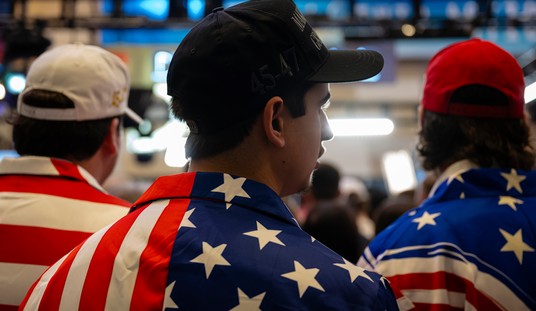
This is the animating principle behind opposition to hate crime legislation. Regardless of how this emotionally-charged debate might be portrayed in the media, the primary objection of critics of "hate crimes" is that such laws essentially criminalize thought or attitudes. In a society based in the rule of law, it is legitimate to punish a person when their conduct violates the life, liberty, or property of another. It is not legitimate, however, to punish that same person more severely if their crime was motivated by an unpopular or abhorrent ideology. Actions, not attitudes, are the proper province of government regulation.
As Chief Justice Roberts observed, hate speech can stir powerful emotions in us, prompting a desire for justice that clouds our ability to appreciate the higher principles involved. In a political and cultural atmosphere that becomes more and more contentious every day however, it is critical that we remain firm in our allegiance to the values that America was founded on. Unlike many other parts of the world – where open criticism of the predominant religion or reigning despot is likely to land a person in prison or worse – America is a land that has always stood as a bastion of liberty and a model of the democratic process in action. If a person or a group says something we don't like, we don't issue death threats, or take to the streets in violent protest, or lobby the state to crack down on our enemies. That's just not the American way.
The American Legion's response to the Westboro Baptist Church's offensive activities is a perfect example of the American way in action. For six years, the Patriot Guard Riders have stood vigil at military funerals, acting as guardians for the fallen and their families and minimizing their exposure to the hateful protesters lining the funeral routes. In the wake of the Supreme Court's decision, the Legion has pledged to continue this work for as long as they are needed. Try as they might to garner attention with their hateful words, the Westboro Baptist Church's message will never resonate as loud as the message being sent by the Patriot Guard Riders. That is what makes America a great nation.





Join the conversation as a VIP Member