





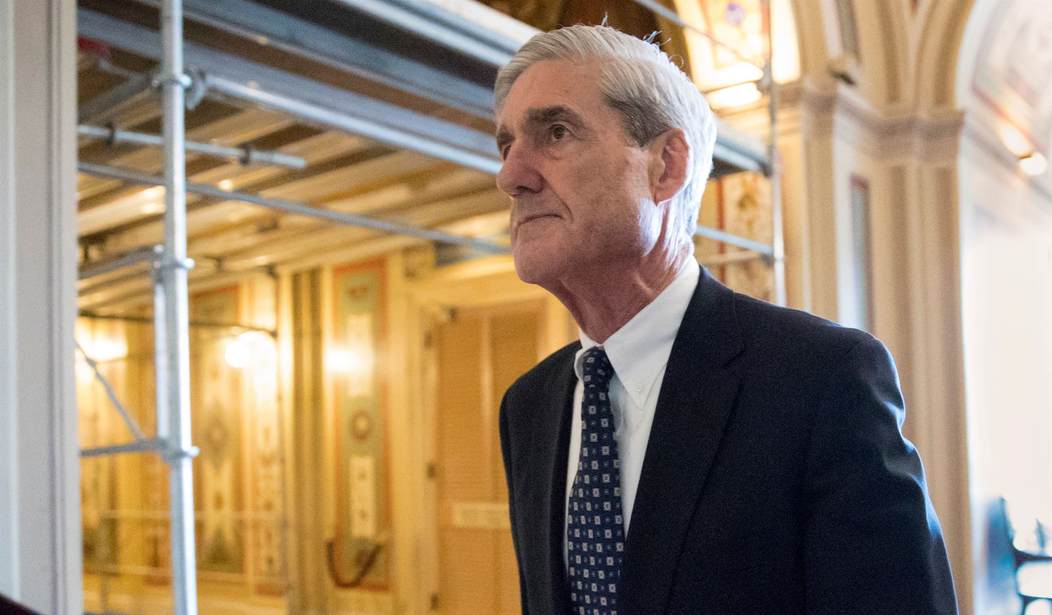
In a startling revelation earlier this week, The New York Times published what it claims are 49 questions that special counsel Robert Mueller sent to lawyers for President Donald Trump. The questions are apparently a road map of inquiry that Mueller and his prosecutors and FBI agents plan to put to the president if the president agrees to sit down for an interview with them.
I have been arguing for months that the president should not agree to an interview with Mueller. My reasons are fairly boilerplate: It is nearly impossible to talk prosecutors who are determined to seek an indictment into changing their minds. As well, the person being interviewed cannot possibly know as much about the case as the team doing the interview, and he will be prone to error.
In the interview environment, one small lie can result in one big headache of an indictment, even if the lie is about an extraneous matter. When federal prosecutors question a potential defendant, who appears voluntarily and is not under oath, the questioners can lie to the person being interviewed, but he cannot lie to them without risk of indictment. Just ask Martha Stewart. This is exquisitely unfair, but it has been federal law for generations.
The Supreme Court has ruled that federal prosecutors and FBI agents can use trickery, deceptions and outright falsehoods -- even disguises, verbal traps and fraud -- to help them extract information from a witness or person they are investigating. Given the president's well-known propensity to talk at length on many disjointed matters and to think both aloud and unfiltered -- witness his 30-minute unannounced telephone interview on live cable television with my colleagues on "Fox & Friends" last week -- there is a very serious danger that he would contradict himself and even contradict facts for which the special counsel has hard evidence.
Donald Trump is the subject of a criminal investigation. When prosecutors interview a person they are investigating, it is to help the investigation, not the subject of it.
As if all of this were not enough to dissuade a self-confident Trump from sitting down with an all-knowing Mueller and his crew, now come the 49 questions Mueller has told Trump's lawyers he wants to ask the president. Though many of these at first blush appear not to challenge the president's memory or command of facts, consider a deeper analysis.
There are two species of questions here. One set of questions is intended to get the president off on a disjointed monologue to see whether he -- as he did on "Fox & Friends" -- will admit to something without actually being accused or even asked about it. The others are questions to which Mueller already knows the answers and for which he has irrefutable hard evidence -- and the quest is to see whether the president will be truthful.
As well, both types of questions are mere starting points -- intended to lull Trump into a comfortable but false sense of security -- which would then be followed with curveballs he would have great difficulty trying to hit.
One of Mueller's questions is profound, and I have not seen anything like it in all the literature and legal arguments preceding the Times' revelation this week: "What knowledge did you have of any outreach by your campaign, including by Paul Manafort, to Russia about potential assistance to the campaign?"
Prosecutors need a factual or good-faith basis to trigger their questions. This question goes to the heart of the so-called collusion issue. I say "so-called" because "collusion" is a media and a political word; it does not describe anything in the law. What Mueller is looking for is a conspiracy, which is the easiest crime for prosecutors to prove because the crime need not have been successful. The late Justice Robert Jackson, himself a former U.S. attorney general, famously called conspiracy prosecutors' favorite crime.
The essence of conspiracy is an agreement -- here, an agreement to accept campaign assistance from a foreign person, entity or government, which is illegal, even if the assistance never arrived. The essence of the crime is the agreement, not the receipt of something of value. The conspirators need not have met together or even be known to each other, providing at least one of them took at least one material step -- such as a phone call or a meeting with Russians offering help -- in furtherance of the agreement.
If there is truth underlying this question -- if Mueller has hard evidence that the true answer is "yes" -- it could only have come to Mueller from Rick Gates, Manafort's former business partner and co-defendant and now Mueller's star witness. Gates could have told Mueller in return for Mueller's dropping charges against him that Manafort reached out to the Russians, in which case Mueller would want to test Trump's knowledge, understanding and truthfulness on this white-hot issue.
If Trump were to answer "no" and Gates told the grand jury that Trump did know of this, Mueller could claim Trump lied and ask the same grand jury to indict Trump for that. If Trump were to answer "yes," that would be the end of his presidency. If he were to give a rambling non-answer, Mueller would make the most of it.
Are prosecutors fair? Many are, but their common view is that they need not always be fair because they are after bad guys who don't play by the rules. To the prosecutorial mind, it is for judges and juries to be fair.
What should Trump do? He should go about the business of being president. He should do what is most difficult for him: stay silent. Don't trust a man who owns a grand jury. Don't help him undo your presidency.
Join the Conversation
VIP members get the ability to comment on articles.