





Editor's Note: This column was co-authored by Paul Teller.
Congress has spent years talking about permitting reform while America’s infrastructure backlog grows, energy demand surges, and competitors like China continue building at scale. Now, lawmakers finally have a narrow window to act.
After the House passed major permitting reform legislation in late 2025 and Senate negotiations restarted earlier this year, Washington has its best opportunity in years to overhaul the broken approval process that delays roads, pipelines, factories, transmission lines, broadband networks, and energy projects across the country. The stakes are larger than bureaucratic efficiency. America’s inability to build quickly is becoming an economic and geopolitical liability.
America used to build faster than any nation on earth. We built the interstate highway system in a generation, won the space race in about a decade, and powered an industrial boom that made the United States the world’s dominant economic and military force. Now, it can take longer to approve a transmission line than it once took to build the Hoover Dam.
The permitting process has become so slow, expensive, and litigation-prone that it is actively undermining America’s economic strength, energy security, and technological leadership. Roads, pipelines, factories, power plants, broadband infrastructure, mining projects, and clean energy developments routinely spend years trapped in bureaucratic limbo before construction can begin.
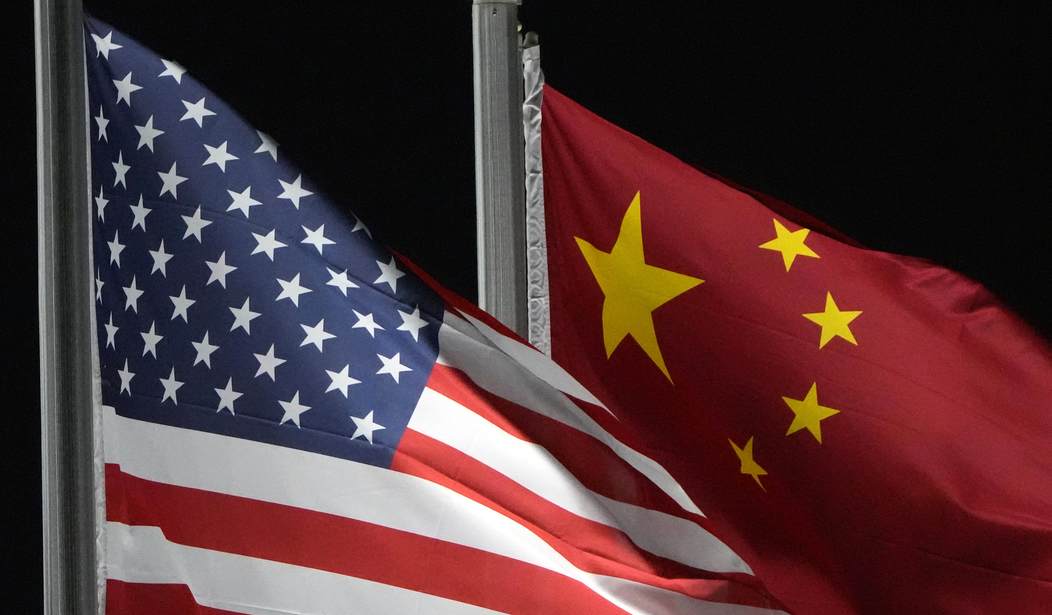
Meanwhile, China builds.
China deploys energy infrastructure faster, expands broadband networks faster, and permits industrial projects faster. It builds ports, rail, transmission, and manufacturing capacity at a pace the United States increasingly struggles to match. Washington cannot spend years debating competitiveness with Beijing while simultaneously making it impossible to build in America. Permitting reform is no longer a niche procedural issue—it is one of the central economic and geopolitical questions facing the country.
This is also one of the few issues where bipartisan agreement remains possible. Business groups, manufacturers, telecom providers, energy companies, and clean energy developers all agree that the current system is failing.
The average major infrastructure project spends four to seven years navigating federal reviews and legal challenges. Every delay increases costs through inflation, financing burdens, and litigation. In many cases, lawsuits continue long after permits have already been granted, creating a system where opponents can weaponize endless processes to stop projects they could not defeat politically.
The consequences are visible everywhere.
America’s electric grid is aging while energy demand surges from the rapid expansion of AI infrastructure. Transmission projects needed to expand capacity are delayed for years. Broadband deployment in rural communities is slowed by duplicative reviews and permitting obstacles. Manufacturing projects face regulatory costs far higher than competitors abroad. This has become self-inflicted economic sabotage.
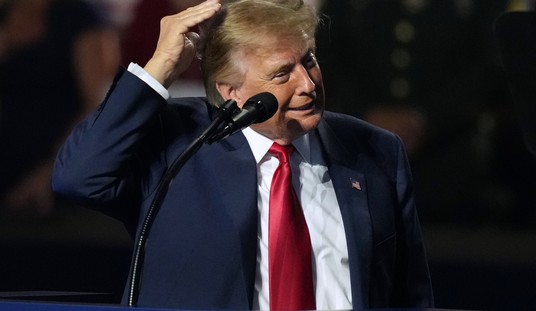
President Trump campaigned on restoring manufacturing, expanding energy production, rebuilding infrastructure, and strengthening American industry. None of those goals are achievable if critical projects remain trapped in permitting purgatory for the better part of a decade. Republicans now have an opportunity to turn those promises into measurable results.
The House has already passed major permitting reform legislation—including the SPEED Act and the PERMIT Act—designed to streamline environmental reviews, reduce duplicative bureaucracy, and limit the endless litigation that stalls approved projects. Senate negotiations have restarted, and lawmakers in both parties recognize the stakes. But the political window will not stay open forever.
The bills would also improve transparency around the permitting process. You can’t have accountability without visibility. When the Founders wrote transparency into the Constitution, they highlighted spending, but the spirit of that clause was to spotlight decisions of economic consequences that affect We the People. They did not imagine the administrative and regulatory state we have today when policymakers direct the flow of capital through opaque regulations.
With midterm elections approaching, Congress has months, not years, to deliver a meaningful reform package. If lawmakers fail again, the result will be familiar: higher energy prices, delayed infrastructure, weakened industrial competitiveness, and continued dependence on foreign supply chains and adversarial nations.
Permitting reform will not solve every economic challenge facing the country. But without it, many other national priorities become impossible.
This should not be viewed as a partisan issue. It is an American one.
The United States still has the resources, talent, and capital to lead the world. What it increasingly lacks is the ability to say “yes” and follow through. Congress should fix that now.
John Hart is CEO of Open the Books, and Paul Teller is President of Teller Strategies. Both are former senior staffers on Capitol Hill.
Editor's Note: Do you enjoy Townhall's conservative reporting that takes on the radical Left and woke media? Support our work so that we can continue to bring you the truth.
Join Townhall VIP and use promo code FIGHT to receive 60% off your membership.


Join the Conversation
VIP members get the ability to comment on articles.