





The recent victories by three candidates aligned with the Democratic Socialists of America (DSA) in House primaries in New York City districts, coming after wins by DSA adherents in key mayor’s races, have sent shockwaves through the political establishment. What was long seen as an inconsequential fringe movement moved to center stage.
Exposure of the DSA’s platform since then has only raised concerns further.
But you’d be mistaken if you thought radical socialist ideas were somehow a new feature of the Democratic Party. In fact, they’re already thoroughly ensconced in the party’s policy objectives. They’ve just been pursuing an incremental approach. Just look at their healthcare agenda.
Democrats hoped to jump to a single-payer system in 2009 but contented themselves with partial capture of the healthcare market through the Affordable Care Act (ACA), achieved primarily by expanding Medicaid. Never ones to let a crisis go to waste, they used COVID as a justification for expanding government involvement in healthcare by pumping up subsidies.
Then they turned their attention to the prescription drug market. In 2022, they passed the poorly named Inflation Reduction Act (IRA) without Republican votes and initiated a government price-setting regime on prescription drugs for seniors. The number of drugs subsumed under this system, denying drug makers years of competitive pricing to recoup research costs and fund future cures, has grown steadily since then. Despite the CBO’s best estimate of only one lost drug this decade, the law has already claimed 56 research programs and led to the discontinuation of 26 drugs. Despite this wreckage, Democrats aren’t satisfied.
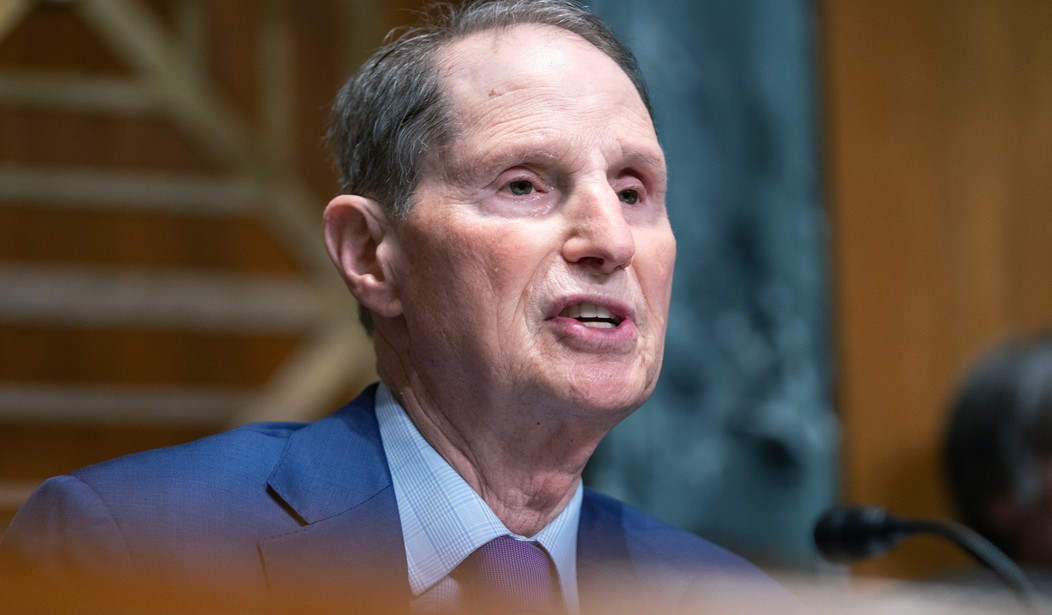
Last month, Senate Finance Committee Democrats, led by Ron Wyden (D-OR), dropped a new drug pricing blueprint that makes their real goal hard to miss. They don’t want to "fix" the Inflation Reduction Act’s drug price negotiation program, which, as I and others have argued, is destroying the Part D prescription drug program while failing to deliver on lower prices for most seniors. They want to put it on steroids.
Their request for information on drug pricing reveals that they are doubling down on a plan to expand Medicare “negotiations” beyond the current cap of 20 new drugs each year and push government-set rates into private coverage. In short, it's a clear signal of Democrats’ next step in their long march to capture the U.S. healthcare system, including the pharmaceutical industry.
The Senate Finance Democrats’ “commonsense” drug pricing RFI is anything but modest. They talk about “building on the success” of the IRA, but the policies they float would supercharge its most heavy‑handed features — bringing more drugs into negotiation, moving that process earlier in a drug’s lifecycle (meaning less time to recoup costs of development and testing), and explicitly creating a “pathway to lower drug prices in the commercial market.”
The RFI also proposes rolling back exemptions in the One Big Beautiful Bill that safeguard certain orphan drugs from price setting, while proposing cost-sharing caps on different categories of drugs (like asthma and other chronic disease therapies) which will ensure taxpayers pick up a larger portion of the tab but do little to lower prices.
Only the terminally naive could believe that Democrats will be satisfied when they’ve achieved government takeover of healthcare. During her 2024 campaign, Kamala Harris’s pushed for price controls on groceries after blaming “big supermarket” for gouging. She proposed similar caps on rent increases. Those same policy proposals are now being implemented in New York City.
Once you accept the idea that politicians should decide the “right” price of a cancer drug, it’s a short jump to letting them decide the right price of milk, rent, and everything else.
TrumpRX is an important first step in addressing affordability by giving Americans purchasing options without defaulting to government takeover of the industry. Launched by President Trump, the program gives Americans direct access to dramatically lower cash prices on dozens of high‑cost brand‑name drugs through negotiated participation by drug makers. By letting patients buy directly, TrumpRx.gov strips out middlemen that each take a slice of the pie.
President Trump has demonstrated you don’t need a thousand-page statute or government dictate to achieve lower drug prices. The challenge now is to create more ways for Americans to purchase drugs that preserve — rather than destroy — markets and competition, which have improved Americans’ standard of living for 250 years.
It’s government over-regulation that stifles American healthcare, and Democrats only want more of it. Even those labeled moderate are making clear that their roadmap for healthcare is to expand government authority — growing the population dependent on it for coverage, supercharging control over drug pricing. They might not sport Mao jackets like the new darlings of the DSA, but their policy proposals belie a kindred spirit, a shared ideology.
Editor's Note: Do you enjoy Townhall's conservative reporting that takes on the radical Left and woke media? Support our work so that we can continue to bring you the truth.
Join Townhall VIP and use promo code FIGHT to receive 60% off your membership.

Join the Conversation
VIP members get the ability to comment on articles.