






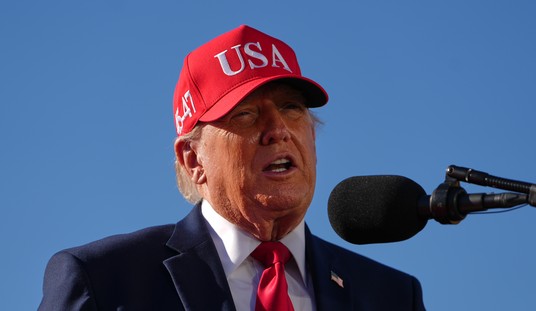
Every week, President Trump is putting America first on the world stage, cutting tougher trade deals, squeezing NATO freeloaders, and making sure foreign governments finally pay their bills. Now Congress is stepping up to back him.
Right before the August recess, lawmakers tucked language into an appropriations bill blasting foreign governments that have been stiffing U.S. businesses and taxpayers. Now that they’re back, they’re ready to turn up the heat.
At the top of the list? Kuwait.
When most Americans think of Kuwait, they appropriately think of the small country where the U.S. Military spent treasure and blood to protect and liberate from an invading despot. However, for many American businesses, Kuwait has become an “investor beware” place to do business. During COVID, the Kuwaiti government ran up $677 million in unpaid medical bills at American hospitals by sending its citizens to the U.S. for treatment—and then dragging its feet on paying up. Hospitals only saw the money after banding together with the backing of Congress to pressure Kuwait into coughing it up. To this day, Kuwait allegedly owes American firms for unpaid bills related to the construction of the Al-Zour refinery, one of the biggest in the Middle East, among other outstanding debts.
Kuwait isn’t alone. Also mentioned in Congress’ report is Honduras, which still owes $215 million for infrastructure projects, part of a whopping $20 billion in total claims. Corruption and lawlessness are so bad in Honduras now that the U.S. International Trade Administration openly warns American companies that doing business there is like walking into a rigged game.
This is hardly unique to Honduras or Kuwait. American investors, contractors, and even small businesses often run up against foreign corruption. From Venezuela expropriating U.S. oil infrastructure to China stealing U.S. intellectual property, the world too often skims off America’s top. However, when American “allies” like Kuwait or Honduras take advantage of American businesses, it is even more egregious. These are countries American taxpayers provide generous sums in assistance and even military protection.
Mexico is another big offender that’s currently in the legislative branch’s crosshairs.
State-run Pemex is the most indebted oil company in the world, sitting on $101 billion in red ink. American contractors alone are owed at least $1.2 billion. Even Mexico’s water bill is overdue—under a 1944 treaty, it owes the U.S. 1.14 million acre-feet of water, leaving South Texas farmers high and dry. The company did recently turn over a small fraction of the water after President Trump and Secretary of State Marco Rubio applied pressure but the country’s water debt remains a serious problem that contributed to a recent drought in South Texas that’s affected millions of Americans.
The good news: the House appropriations bill for the State Department makes clear that this treatment of American businesses and interests should not be tolerated any longer. But Congress shouldn’t stop there. Lawmakers should continue to use their oversight and power of the purse to press foreign governments, particularly our “friends,” to pay their bills and treat American interests fairly.
And the message shouldn’t stop with Kuwait. For too long, countries from Latin America to the Middle East to Asia have treated U.S. companies like piggy banks they never have to repay. That ends now.
President Trump campaigned on putting America first, and Congress is giving him backup. It’s time to tell the world: if you do business with the United States, you pay your debts. Period.
James Fitzpatrick is the Director of the Center to Advance Security in America, a former official in the Trump 45 administration, and Army Veteran.
Editor’s Note: Thanks to President Trump and his administration’s bold leadership, we are respected on the world stage, and our enemies are being put on notice.
Help us continue to report on the administration’s peace through strength foreign policy and its successes. Join Townhall VIP and use promo code FIGHT to get 60% off your VIP membership.


Join the Conversation
VIP members get the ability to comment on articles.