





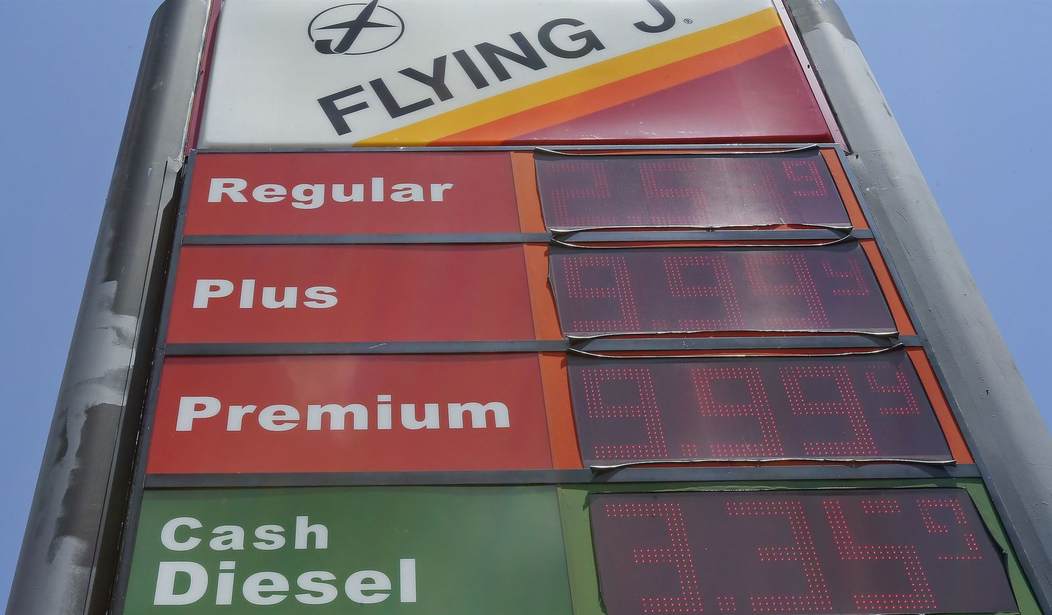
Stagflation, which reigned during the presidency of Jimmy Carter, occurs during an unusual confluence of events: high inflation, low economic growth and high unemployment. Normally, high inflation happens during periods of rapid economic expansion and low unemployment. On the opposite side, low economic growth and high unemployment normally occur during periods of low inflation. Stagflation, which combines the worst of everything, is particularly hard on the middle and lower classes, whose members face both high unemployment and rapidly rising prices for goods and services. In addition, the lack of jobs often leads to despondency among those unable to find work.
I am familiar with stagflation, because I experienced it firsthand during my grammar-school years. While I might not have been paying my own bills, I remember hearing my parents talk about rising prices, watching the gas prices grow astronomically (as they have recently) and sitting in line for over an hour to buy the expensive gas. For Americans under the age of 50, stagflation is akin to a unicorn -- something one has read about in books but has not encountered in the wild. This might soon change.
Unfortunately, most Americans lack basic financial literacy, according to a 2019 survey by the Financial Industry Regulatory Authority Investor Education Foundation. The survey asked five questions of the participants. "Only 34 percent of respondents could answer at least four of five basic financial literacy questions on topics such as mortgages, interest rates, inflation and risk -- compared to 42 percent in 2009," according to the FINRA website. "This drop in scores appeared most pronounced among younger Americans ages 18 - 34, who have had little exposure to high interest rates or inflation as adults."
Since experience is the best teacher, there might soon be an opportunity for those who are younger to learn more about inflation, and possibly stagflation. The U.S. Personal Consumption Expenditures Price Index was up 1.6% in February from over a year ago. The expectation for March is 2.3%. The Consumer Price Index was 2.6% in March and the Producer Price Index, which measures wholesale prices, was 4.2% that month. Food is more expensive, housing is through the roof and I was shocked at the gas prices just this week.
In the past election, presidential candidate Joe Biden ran on promises of doling out money for a variety of items: "Medicare for All," income for all, free college, etc. The unveiling of this plan will come this week in an appeal to the American people to urge its passage in Congress. The problem, as most of us know, is that there is no such thing as a free lunch; someone has to pay, either monetarily or otherwise. Carter's policies led to stagflation, and many of us paid big-time.
"Biden's economy is shaping up to be similarly stagnant," wrote Job Creators Network President and CEO Alfredo Ortiz in an op-ed titled, "Biden's Presidency Is the Modern Version of Jimmy Carter's," published this week in Real Clear Politics. "Labor-force participation remains depressed, clawing back less than half of its pandemic-related drop. Weekly unemployment claims remain stubbornly near and above 750,000 over the past several months -- about triple their pre-pandemic level. Fearful of new taxes and regulations, small businesses are reluctant to hire and expand. More than 100,000 small businesses have gone out of business due to the pandemic. Biden's policies won't help them reopen, which is necessary to spur economic growth."
Ortiz's argument is about more than spending and taxes; it's about the core beliefs in our country, in our economy and in our people. Ronald Reagan won the presidency after Carter's first term, in part due to Reagan's overwhelming belief in the American people. He understood that America works best when Americans are working, and that government was all too often in the way of small business and entrepreneurs.
The message we get today from the Biden administration is that the government needs to save people -- that people are unable to help themselves. When people believe this message, they begin to lose their own agency, which can ultimately lead them to become helpless as a learned belief, and therefore always dependent on the government.
While we should help those who need it, we need to do so in a way that leads to a productive outcome, as well as a strengthened belief in oneself and one's ability to move forward under one's own agency. We do need to work together, but not with the government in the lead or in control.

Join the Conversation
VIP members get the ability to comment on articles.