





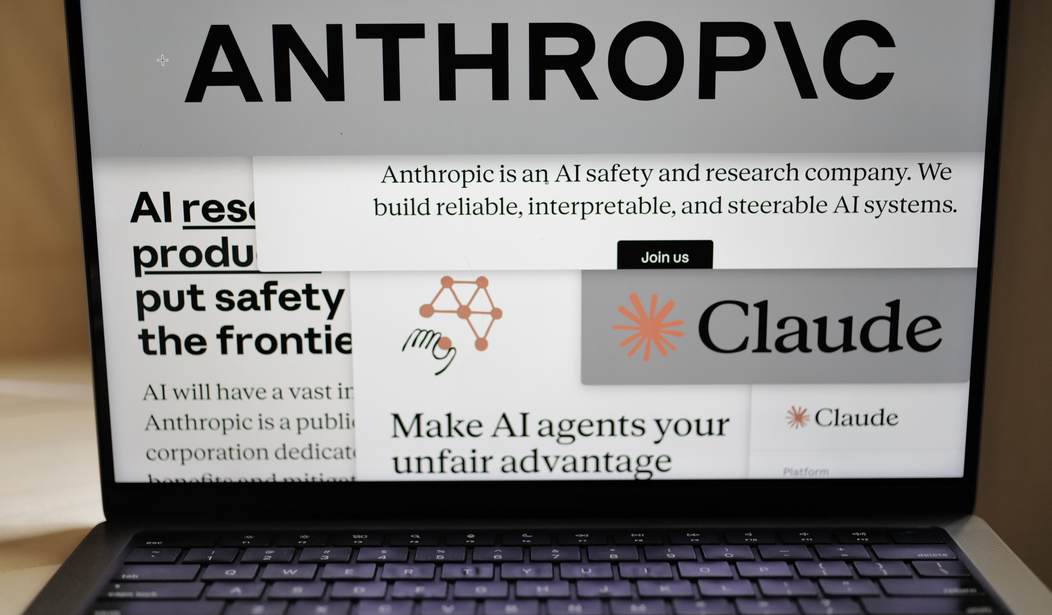
Many arguments about generative AI hinge exclusively on what these models do or don’t do, weighing the end results in a T-chart of pros and cons.
Using these models can help speed up our work on mundane tasks, but this use has also been shown to deteriorate our critical thinking skills. They could be used to automate workflows, but their adoption is also driving devastating unemployment. They could be used to cure cancer, but these models have also created billions of non-consensual nude images of women and children. Those for and against using chat AI models can end up arguing in circles about whether the pros outweigh the cons, and frequently disagree based on having differing personal value systems in the first place.
It’s common to hear others regard generative AI as merely a tool that can be used for good or harm to others. Fewer people seem to approach the ethics of generative AI use from a means-, rather than ends-based argument.
Pope Leo XIV went viral recently for doing exactly this with a post on social media, clipped from a longer speech he delivered to a group of artists in Rome: “In this era of artificial intelligence, it is becoming urgent to distinguish human art from what machines produce. There is an ontological difference, even before an aesthetic one, between art and what a machine can generate through statistical calculation based on millions of images created by others. Algorithms lack the spark of humanity. For this reason, the Church wishes to renew an alliance with artists and cultural institutions to safeguard our humanity.”
According to the moral authority of the largest religion in the world, the difference between AI-generated art and human-created art isn’t as much about the way AI-generated work aesthetically looks as it is ontological: that AI-generated work is just not human at all. Rather, it’s stolen from “millions of images created by others.” AI-generated art’s often ugliness is an ends argument, while Pope Leo’s recognition that it’s stolen from human work and isn’t a creation of human intellect anyway is a means argument. And as moral ethicists of ages past and present have taught, good ends don’t justify poor means.
Is it too big of a jump to ask people of good will to connect what Pope Leo argued about AI-generated art to an identical argument about AI-generated speech and text? I don’t think so. Our concern can extend not only to the likelihood of chatbots giving us inaccurate answers, but also to the reality that chatbots' outputs don’t directly derive from any one person’s human intellect — as Pope Leo called them in another address, “Unthought thoughts.”
While I worry about ChatGPT giving inaccurate answers about critical human concerns, such as who to vote for, who to date, and how to parent, my greater concern with using the model is the sheer reality that it requires a human being to have a deep conversation with a non-human thing. My grief about folks turning to AI friends and romantic companions is, indeed, that they’ll be driven to deep isolation, delusion, and psychosis, but it also lies in my knowledge that human beings are evolutionarily designed for intimate relationships with other human beings, not with non-human bots. My sorrow when a friend recommends to me an AI-generated casserole recipe isn’t based on how delicious or disgusting the recipe turns out to be, but on my wish that she had supported a human-created recipe instead.
Why should it matter that human beings talk to other humans instead of non-human robots? Human beings are the most socially and intellectually advanced animals on Earth, and our ancient ancestors’ abilities to dominate other predators and safeguard their surroundings lay not in their size or strength, as many other animals are much larger, but in their abilities to work together to brainstorm solutions to come out on top over predators. In Homo sapiens’ earliest days, this involved more primitive interspecies communication, which eventually evolved into the most complex language system among living creatures that exists on this planet.
From this premise that being a human being matters and is distinct from being any other creature or thing in existence, we can recognize that the ideas, relationships, and work created by human beings matter. Therefore, things made by human beings have inherently greater value than things produced by generative AI. Conversely, in a world where the work of human beings is seen as lesser than the work of robots, human beings will become increasingly regarded as disposable. This deeply threatens justifications for humans to continue living and exists as a direct hit to appreciating the value of human life just for being human. It’s logical to conclude from this that abstaining from using generative AI in the places we can control it is a worthy endeavor — not only because of the cognitive, relational, and societal harms it inflicts upon us, but also simply because its generations aren’t human.
Generative AI apologists and opponents can deliberate all day long about the various pros and cons of engaging with these models, leaving people on either side of the camp feeling frustrated that the other doesn’t appreciate the ends of AI use they feel are particularly beneficial or insidious. The real meat in an anti-generative AI argument, however, is in the means of what the models are — decidedly not human — and how they operate, which is on the fuel of stolen human work. Under the premise that good ends don’t justify harmful means, any positive end that can come from using generative AI flies in the face of its non-human, stolen means.
Eliza Monts is the Executive Director of Always Human, a media nonprofit raising awareness about the harmful effects of using chat AI, and a Faith Leader Fellow with The Alliance for Secure AI.
Editor’s Note: Do you enjoy Townhall’s conservative reporting that takes on the radical Left and woke media? Support our work so that we can continue to bring you the truth.
Join Townhall VIP and use promo code FIGHT to receive 60% off your membership.


Join the Conversation
VIP members get the ability to comment on articles.