





Washington has yet come to an agreement on the debt ceiling. Republicans are calling for reasonable and targeted spending cuts, while the White House is maintaining its position for a clean increase to the government’s borrowing limit. Fortunately, both sides agree that a potential default would be “catastrophic” for the U.S. economy. But with a possible default only a handful of days away, it’s fair to say the entire U.S. economy and the livelihoods of millions of Americans hang in the balance.
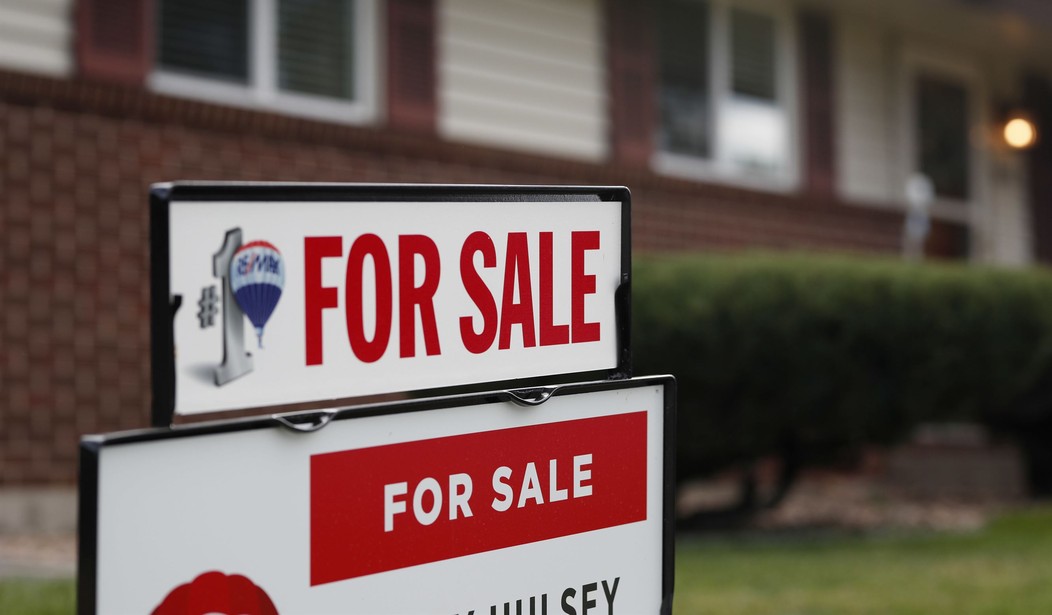
So how would a debt default play out in the U.S. housing market? If our elected officials were to permit a default, a wrecking ball would likely hit the already fragile industry, which has seen both inventory and demand decline due to rising rates. A default would exacerbate this reality, and potential homebuyers could see mortgage rates spike and credit opportunities dry up.
That’s the warning according to a brand new report published on Thursday, from the well-known tech real-estate marketplace company, Zillow. Research from their economics team found that mortgage rates could soar to 8.4 percent and increase buying costs overall by 22 percent. The same analysis indicates that home sales would drop by 23 percent, and values dropping by 5 percent.
This spike would put a strain on many prospective homeowners, potentially causing many of them to rethink whether they should purchase a home at all. According to their senior economist, a default would “send the market into a deep freeze.”
U.S. debt is seen as the safest in the world, so U.S. Treasury bond rates are viewed as the baseline that interest rates for all other types of debt are measured against – and mortgage rates are no different. Long-term mortgage rates have historically been closely correlated to 10-year treasury bond rates. If U.S. treasury bond rates suddenly spiked following a government default, it is almost certain that mortgage rates would see a similar spike.
And when you combine the spike in interest rates with other negative economic conditions brought on by a default, there is little doubt that the added strain and uncertainty on regular Americans finances would have everyone playing it safe and steering clear of making the most important purchase of their lives.
Whether you are a first-time homebuyer or looking to move, this will significantly impact your ability to buy a home. This would also affect current homeowners, who have a lot of value stored up in their home - a default could see that begin to drop. The housing market has been great for homeowners recently - home values have been seeing an impressive rise over the past years. But with rising interest rates and worsening economic conditions significantly diminishing demand, the market would quickly cool off – and those rising home values would start to fall. The impact of a government default would throw the housing market into disarray, with dire consequences for everyone – prospective homebuyers, current homeowners, and anyone looking to move would all feel the pinch of rising interest rates. The White House and Congress cannot allow this to happen under their watch. With hundreds of thousands of dollars at stake for young families and everyday Americans who are looking to buy a home and build a life, both sides must come together to avoid a catastrophic default.
With each day that passes the nation comes ever closer to default. Now is not the time to dig in your heels and stick to partisan talking points, we all have a stake in our country’s fiscal future and our elected leaders should be expected to act responsibly with the nation’s finances. As such, the White House and Congress need to put aside their political differences and come together to find a solution that will raise the debt ceiling and put the nation on a more sustainable fiscal path.
Charles Sauer is the President of the Market Institute.


Join the Conversation
VIP members get the ability to comment on articles.