





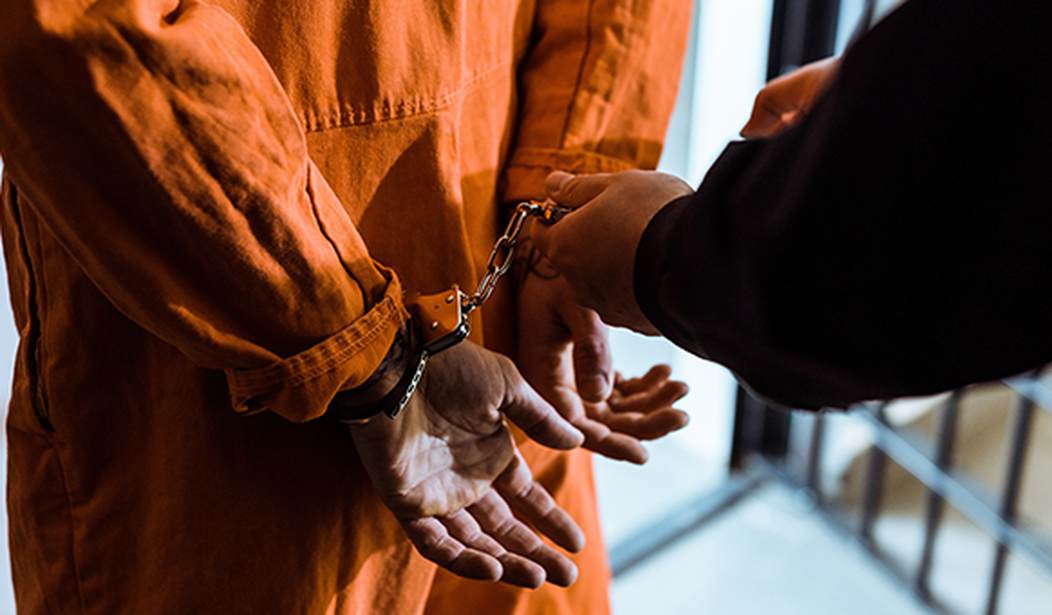
President-elect Trump and nominees for his upcoming administration often speak about cutting spending in order to reduce the debt. Some of the targets are familiar, but one that is never mentioned is the amount of money that could be saved by releasing, or not incarcerating in the first place, nonviolent offenders.
According to The Sentencing Project, 72.1 percent of federal prisoners are serving time for a nonviolent offense and have no history of violence. More than half are for drug offenses.
The U.S. has more people incarcerated in jails and prisons than any other "free" nation.
According to the Prison Policy Initiative, prisons, jails and other forms of incarceration "hold over 1.9 million people in 1,566 state prisons, 98 federal prisons, 3,116 local jails, 1,323 juvenile correctional facilities, 142 immigration detention facilities, and 80 Indian country jails, as well as in military prisons, civil commitment centers, state psychiatric hospitals, and prisons in the U.S. territories - at a system-wide cost of at least $182 billion each year."
The Federal Bureau of Prisons says the cost of caring for an individual's needs in jails and prisons for the year 2020 was determined to be $39,158. As noted by the website Julota.com, "considering that the median real income level in the U.S. for 2019 was below that number at $35,977, it is safe to say that incarceration doesn't pay for anyone, not the offender and not the American community and taxpayer." Like everything else the costs since then have likely increased.
That the criminal justice system is seen by many to be more criminal than just and that it metes out unequal justice depending on many factors, including the inability of a defendant to hire a good lawyer, has been a given for many years. Prisons were originally created for punishment and reform. They are now mostly about punishment and reform seems to be an afterthought.
Probably no one said it better than the fictional character Andy Dufresne (played by Tim Robbins) in the film "The Shawshank Redemption." Speaking to his fellow prisoner "Red" (played by Morgan Freeman", Andy says " The funny thing is - on the outside, I was an honest man, straight as an arrow. I had to come to prison to be a crook."
Nonviolent offenders could wear ankle bracelets and be confined at home, saving money and offering opportunities for real reform.
The Old Testament model of restitution would not only force the offender to pay back the victim for money or property that was stolen, but in itself invokes the notion of personal responsibility for one's crimes. The victim in these circumstances is not so much the state, as the individual. Depriving one of liberty for a property or drug crime does not help the victim.
I have known - and know now - people who have been subjected to an unjust system that includes sentence disparity and lengthy periods of incarceration, benefiting neither the public, nor the prisoner.
That prison reform has not been on a top ten list of issues for Republicans is no reason it can't be added now. Saving money and redeeming a system that no longer benefits the incarcerated or the public is a winning issue. Rather than the GOP's "tough on crime" approach of the past, a new approach is needed for the nonviolent offender if results are the goal, not political posturing.
Prison and sentencing reform is ready-made for bipartisanship. The incoming Trump administration should try it and invite Democrats to join in.

Join the Conversation
VIP members get the ability to comment on articles.