





"When prosperity comes, do not use all of it." -- Confucius
Is China about to do the United States a big favor, however unwittingly?
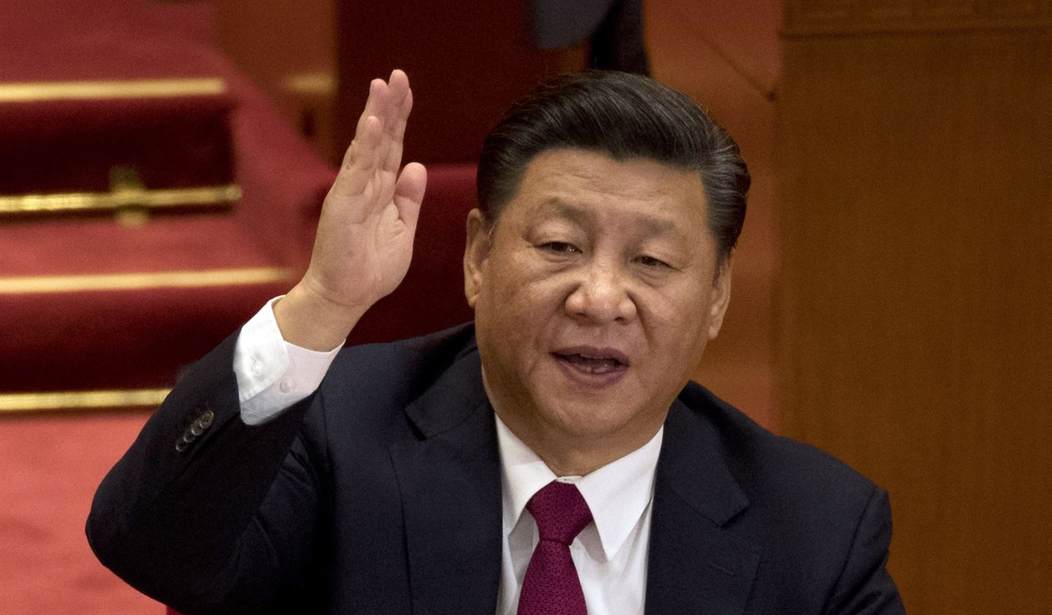
According to Bloomberg, China is considering whether to slow, or even stop, purchases of U.S. Treasuries. At $3.14 trillion, China holds the world's largest foreign exchange reserves. It is also the largest underwriter of U.S. debt. Financial experts and political observers have long worried that becoming financially dependent on an unfriendly and rival nation is not good for the U.S. in the long term.
In the short term, however, should Beijing choose to pull back its major underwriting of America's $20 trillion debt, it could force politicians to do something they have heretofore seemed incapable of doing: halt spending and start reforming or eliminating unnecessary and outmoded government programs.
Most of us who are not billionaires have had a "we can't afford it" moment when considering purchases for which we don't have the money. It usually doesn't take long before what was once considered essential becomes, upon reflection, nonessential. Not so with government. Most politicians see everything government does as essential and since they don't have to pay for anything with their own money, they are reluctant to cut spending, which they believe helps extend their careers.
Before he ran up the debt more than any other president, Barack Obama criticized George W. Bush for increasing America's debt. While a senator from Illinois and during a debate about whether to raise the debt ceiling, Obama said, "The fact that we are here today to debate raising America's debt limit is a sign of leadership failure."
Debt rose by $3.5 trillion in Bush's first five years in office, partially the result of the terrorist attack of September 11, 2001 and the subsequent war in Afghanistan. During Obama's two terms, the debt increased by $8.9 trillion.
How credible is China's reported consideration of slowing or halting the purchase of U.S. treasuries? For one answer I turn to Ric Edelman, my financial adviser, whom Barron's has consistently ranked high among the nation's top 100 independent financial advisers.
Responding by email to a question about Chinese intentions, Edelman says, "I'm not sure I buy it -- either that the Chinese will pare down its U.S. debt holdings, or that doing so will cause Congress to rein in spending. On the former, what will the Chinese buy, if not Treasuries? It's not like there's a huge array of alternatives for them. On the latter, I don't think I need to elaborate."
He may be right on both counts.
One of the reasons empires and great nations have collapsed throughout history is burdensome debt. No individual can keep spending as if there is no tomorrow, so why would anyone think that a nation can continue deficit spending and still expect a tomorrow?
Companies that consistently spend more than they take in usually go bankrupt. Nations that consistently spend more than they take in and continue borrowing to keep the illusion of prosperity going usually just collapse.
There is always a day of reckoning for such irresponsible behavior. It is not a matter of if, but a matter of when.
Whether China actually slows or stops buying U.S. Treasuries, just the threat should awaken sober minds in Washington. Unfortunately, I fear Mr. Edelman is right in his skepticism and sober minds hardly exist in a capital that is drunk on spending.


Join the Conversation
VIP members get the ability to comment on articles.