





Sometimes, however, the investigation produces a different result. On Aug. 15, 2016, the Post once again displayed on the front page the labor of its hard-boiled, first-draft historians, who were again dwelling on a school scene. This time, the subject was a Democrat, and the headline reflected it: "At Wellesley, fiery speech was a breakout moment."
In 1969, Hillary Clinton gave a speech at her Wellesley College commencement ceremony insulting liberal Republican Sen. Edward Brooke as too conservative, too out of touch. It was a "moment of glory," the Post proclaimed, the culmination of what "her campaign now describes as 'social-justice activism.'"
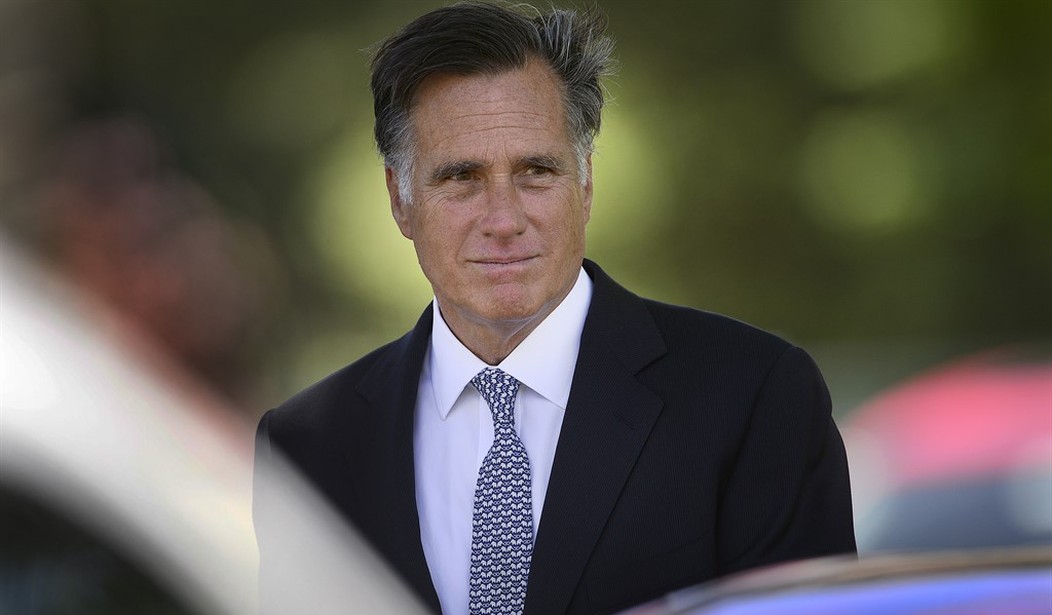
In summation, young Republican Mitt Romney was the worst kind of pampered prep-school bully. Young Democrat Hillary Clinton was a "provocative voice speaking for her angry generation." If partisan profiling were illegal, these journalists would be arrested.
Reporters Frances Stead Sellers and Marilyn W. Thompson gushed: "Clinton's remarks transformed her, virtually overnight, into a national symbol of student activism. Wire services blasted out her remarks, and Life magazine featured a photo of her, dressed in bold striped bell-bottoms."
Sellers and Thompson weren't digging up dirt. They were creating a sugary valentine, looking at old pictures and seeking out Clinton pals for the warmest recollections to fill the narrative. In Sen. Brooke's archived papers, the reporters found a letter from Wellesley President Ruth Adams on June 5, 1969, in which she apologized for Clinton's public rebuke. Adams said, "Courtesy is not one of the stronger virtues of the young." But how do we harness such "youthful passion," Adams asked, "without destroying the basic fabric of our democratic society?"
More than 40 years later, the Post is performing damage control.
While it would have you believe that Romney displayed only a mean streak in his youth, it would also have you believe that Clinton's "knack for public speaking was obvious to anyone who saw her onstage at an outdoor demonstration in her sophomore year." A former professor oozed, "She had this formidable quality of poise, of self-control, of self-containment."
The Post even found audio of Clinton's speech. It doesn't display a formidable public speaker. Instead, it reveals a callow young woman saying idealistic things that don't sound anything like the hardened Clinton we know today. Get a load of this line from the lady with a $10 million family income on the latest tax return. Clinton said, "There are some things we feel, feelings that our prevailing, acquisitive, and competitive corporate life, including tragically the universities, is not the way of life for us."
She mused about "authentic reality and inauthentic reality," which can certainly apply to the answers she provides when under investigation, even under oath.
Clinton also uncorked weird '60s boilerplate about the young people "searching for more immediate, ecstatic, and penetrating modes of living." She concluded by reading a poem about how "the hollow men of anger and bitterness,/ the bountiful ladies of righteous degradation,/ all must be left to a bygone age."
People of the world -- or at least, students of Wellesley -- unite!
The Post should have asked Clinton's old professors and classmates what on Earth this claptrap meant. Even better, they could have asked her. But inside the media bubble, they can't contemplate what people who don't love Clinton might make of this speech, and they can't imagine how many don't swoon over a lecturing "social-justice warrior" in striped bell-bottoms.



Join the Conversation
VIP members get the ability to comment on articles.