





In the past several weeks, a bevy of states have passed extensive new restrictions on abortion. Alabama has effectively banned abortion from point of conception. Georgia has banned abortion from the time a heartbeat is detected, as have Ohio, Kentucky and Mississippi. Missouri has banned abortion after eight weeks. Other states are on the move as well.
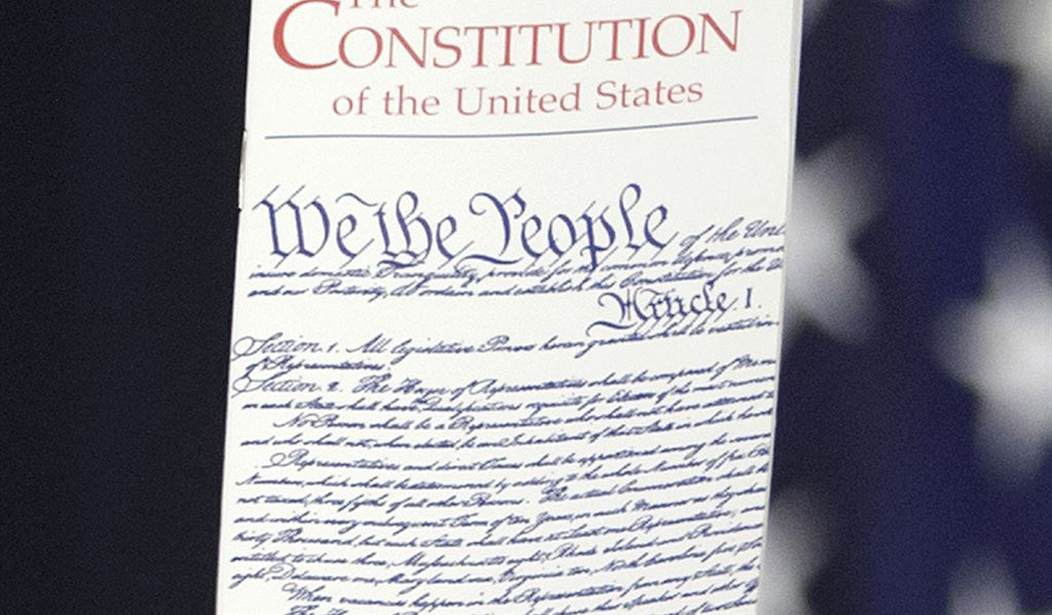
This has prompted paroxysms of rage from the media and the political left -- the same folks who celebrated when New York passed a law effectively allowing abortion up until point of birth and who defended Virginia Gov. Ralph Northam's perverse statements about late-term abortion. According to these thinkers, conservatives have encroached on a supposed "right to abortion" inherent in the Constitution.
This, of course, is a lie. There is no "right to abortion" in the Constitution. The founders would have been appalled by such a statement. The Supreme Court's decision in Roe v. Wade (1973) is a legal monstrosity by every available metric: As legal scholar John Hart Ely wrote, Roe "is not constitutional law and gives almost no sense of an obligation to try to be." The court's rationale is specious; the court relied on the ridiculous precedent in Griswold v. Connecticut (1965) that a broad "right to privacy" can be crafted from "penumbras, formed by emanations." Then the court extended that right to privacy to include the killing of a third party, an unborn human life -- and overrode state definitions of human life in the process.
How? The court relied on the self-contradictory notion of "substantive due process" -- the belief that a law can be ruled unconstitutional under the Fifth and 14th amendments so long as the court doesn't like the substance of the law. That's asinine, obviously. The due process provision of both amendments was designed to ensure that state and federal government could not remove life, liberty or property without a sufficient legal process, not to broadly allow courts to strike down state definitions of conduct that justify removal of life, liberty and property. As Justice Clarence Thomas has written, "The Fourteenth Amendment's Due Process Clause is not a 'secret repository of substantive guarantees against "unfairness."'"
Nonetheless, the notion that such a right to abortion is enshrined in America's moral fabric has taken hold among the intelligentsia. Thus, we now experience the odd spectacle of those on the political left declaring that the Constitution enshrines a right to abortion -- yet does not include a right to bear arms, a right to freedom of political speech, a right to retain property free of government seizure or a right to practice religion.
For much of the left, then, the term "constitutional right" has simply come to mean "thing I want." And that is incredibly dangerous, given that the power of the judiciary springs not from legislative capacity but from supposed interpretive power. Judges are not supposed to read things into the Constitution but to properly read the Constitution itself. The use of the judiciary as a club has led to a feeling of radical frustration among Americans; it has radically exacerbated our culture gap.
The legislative moves in Alabama and other states will open a much-needed debate about the role of the states, the role of legislatures and the role of government. All of that is good for the country. Those who insist, however, that the Supreme Court act as a mechanism for their political priorities are of far more danger to the country than that debate.


Join the Conversation
VIP members get the ability to comment on articles.