





Some administrations have confronted them more effectively than others. Effectively addressing these challenges demands many things from a commander in chief, but steady leadership is foremost.
Steady leadership eludes checklist definition, but its key traits are sound judgment, morale-sustaining presence in crisis and the ability to focus on essential goals. Abraham Lincoln is a case study in steady.
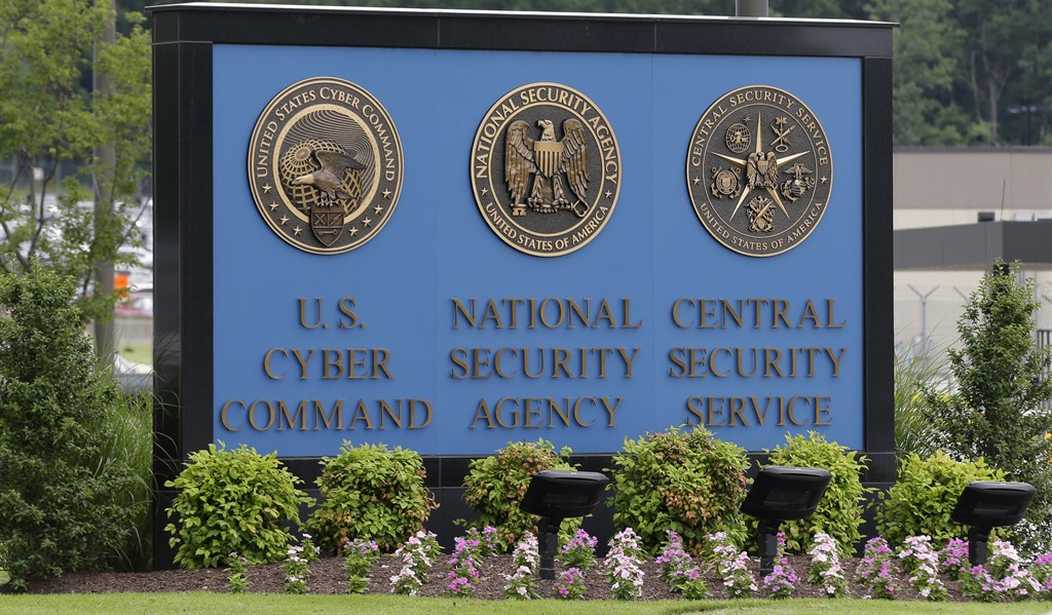
You can bet your life the next president will confront these challenges, as well. In fact, you do bet your life. Sept. 11's damaging surprise demonstrated America has violent enemies. Because intelligence gathering and analysis are imprecise arts, assessing a threat and organizing resources to counter it are imperfect endeavors.
Betting your life is a good reason to demand more from media than "knowing what we know now" gotcha questions regarding past national security decisions.
The worst gotchas are framed to elicit a simplistic answer that reinforces or advances a political narrative. To do this, the talking head must either drastically simplify the past (a relatively benign act) or erase the inconvenient past (a deceitful act).
False premises shape the gotchas I'm deploring. Decision-makers in the past cannot know what we know now. These gotchas usually imply that an alternative decision would have produced a more benign alternative history. They may also presume a shared "enlightened crowd" viewpoint of current knowledge -- which may indicate political or social bias.
The most recent spate of these candidate gotchas involves alternative histories for the 2003 invasion of Iraq.
To illustrate, let's ask a current candidate, "Knowing what we know now about the Ayatollah Ruhollah Khomeini's Iranian regime, its nuclear weapon quest and its support for terrorism, would you have fought like heck to keep the Shah of Iran in power in 1979 instead of doing what Jimmy Carter did and hustling him off to the Bahamas?"
If the candidate said "no," would that mean he or she supports Iran's dictatorship? And a "yes" answer would not change the Iranian conundrum we confront in 2015.
My "what if" question connects to Iraq 2003 what-ifs. Saddam Hussein used the shah's fall as an opportunity to invade Iran and seize the oil province of Khuzistan. His 1980 invasion failed. The Iran-Iraq War's eight years of trench warfare bled both nations physically and economically. In 1990, Saddam invaded Kuwait, to loot it, spike oil prices and perhaps topple the Saudis. Invading Kuwait brought him into direct conflict with the civilized world. Operation Desert Storm drove Saddam from Kuwait. "Mr. or Mrs. Candidate, knowing what we know now, should George H.W. Bush have toppled Saddam in 1991?"
One inconvenient past frequently erased from the Iraq 2003 gotcha is the broad, bipartisan consensus that Saddam had weapons of mass destruction. He used poison gas on the Kurds. In 1998, the Clinton administration concluded it had actionable intelligence and bombed Iraqi WMD sites. Sept. 11 changed how America assessed threats emanating from the Muslim world. The deceptive questioner says or implies George W. Bush lied about Saddam's WMD. No, our intel was wrong.
After the August 1998 terror attacks on U.S. East African embassies, President Bill Clinton ordered an attack on Sudan's Al-Shifa pharmaceutical plant. Clinton's secretary of defense at the time, Bill Cohen, later testified that U.S. intel had had evidence of the nerve agent VX. The intel was wrong, but Cohen defended Clinton's decision. Consider the immediate context. Sudan was a terrorist haven; Osama bin Laden had lived there. The embassy bombings, Sudan's terror reputation and the likely presence of a nerve agent became sufficient reasons to act militarily. Cohen said he would have made the same decision, given what he knew at the time.
What questions would benefit U.S. citizens? "What, for you, Sen. Rubio, constitutes actionable intelligence? What about for you, Sen. Cruz?" "What emerging threats worry you, Mrs. Clinton, and what operations would you consider to counter them?" "Sen. Paul, what intelligence surveillance operations would you support in order to forestall another 9/11?"
Those are good starters.

Join the Conversation
VIP members get the ability to comment on articles.