







One thing we know for sure from the COVID-19 pandemic is that it has had and continues to have a lasting impact globally, as well as on the U.S. economy and job market. Despite over 18 months of hardship, the stock markets have miraculously continued to move upward, indicating a renewed confidence in our economic recovery by investors both domestic and abroad. In other words, people not only want to see America win but they also believe that America can win. In fact, the markets have hit record highs, surging 100% from where they were at the start of the pandemic. Although there has been some recent lag due to the COVID delta variant, the markets have, for the most part, remained consistently strong.
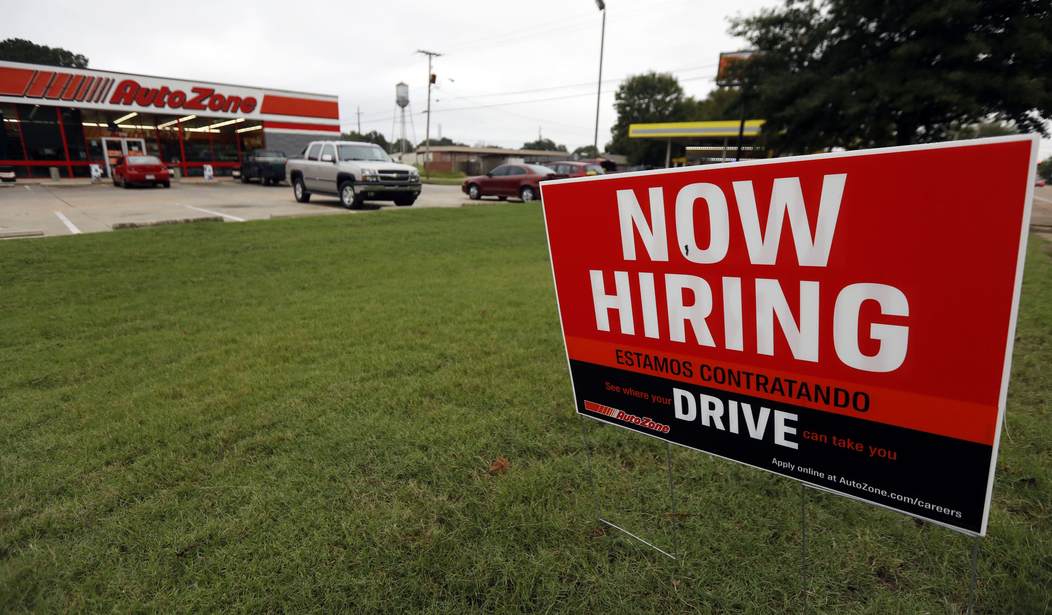
Despite these trends from the markets that signal economic recovery, strength and renewed interest from investors, the most significant concern that hasn't been discussed enough by mainstream media outlets is the number of Americans who are refusing to go back to work.
That's right, you heard exactly what I said: There are millions of Americans who refuse to go back to work after months of receiving financial benefits from the government. Many people who are collecting government benefits can earn more money by collecting benefits rather than by going back to work.
If people can earn more by collecting government assistance, they're likely not going to go back to work. Why would they when they can earn more sitting at home? The government is effectively weakening our workplace which, if allowed to continue, will have grave repercussions on the economy's ability to continue to recover. The unemployment rate has decreased not because more people are going back to work but because people just aren't looking.
In order for the United States to truly and sustainably recover from the pandemic, it is imperative that we get people back to work. It's important that companies are able to resume operations as normal while taking commonsense precautions to keep their workers safe. On its current trajectory, the United States is slowly being converted into a socialist country where people rely on government benefits and handouts, with hard work becoming a thing of the past. The government is slowly transforming itself into a nanny state where people who are unwilling to work can rely on the government for their livelihood.
In the wake of the pandemic, the responsibility of the U.S. government is not to provide payout benefits indefinitely. Those safety nets that came into fruition during the pandemic were merely to help people stay afloat during difficult times, and now that the country is turning around, it's time for those safety nets to end. Unfortunately, the opposite seems to be happening as companies have complained and advertised about their inability to hire people, or worse, people will accept a job, work for a few days or a week and then stop showing up.
Clearly, there are people who have used the pandemic as an excuse not to get back to work, but at what point do we mandate that people return to normalcy? Realistically, we can't go on another 18 months giving out government supplements; this financial toll is quickly becoming unsustainable. There are restaurant and other small business owners missing out on selling products because they're understaffed. People are no longer willing to work and are too selfish or unwilling to realize the lasting impact they're having on local economies.
People everywhere are complaining about not having money, not being able to pay their rent and not being able to pay for basic necessities. But if these same people were willing to go back to work, many of those problems would be solved. The reality is simple: The U.S. economy is not out of the hot seat yet. In order to continue to strongly recover, it is important that we incentivize people to get back to work by any means necessary.
There was once a time in America where the idea of work, regardless of how big or how small, was a badge of honor. To work and make an honest day's living was about having pride, dignity and self-respect. Unfortunately, today we are surely seeing those values erased right before our very eyes. Instead of creating driven, hardworking Americans, we're seeing a generation of beggars, whiners and complainers. This can't be the next story in our American journey if the American dream is to persist. However, if we don't change the current dynamic, it will be, and this will be a moment in history that we will come to regret.

Join the Conversation
VIP members get the ability to comment on articles.