





Could there be a case for more technology leading to worse outcomes?
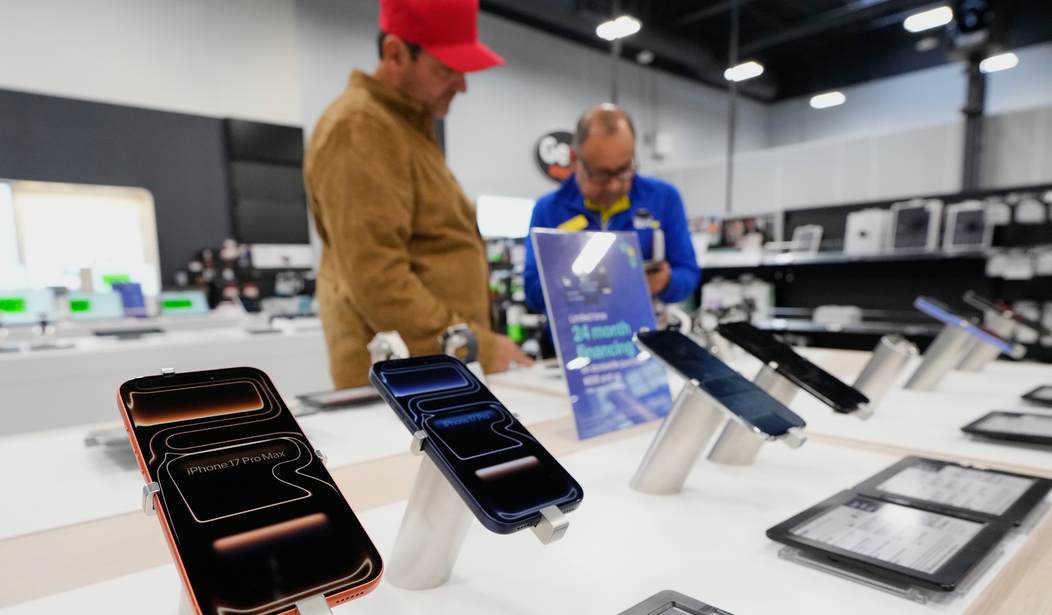
We have a lot of iPhones around the house. The oldest is an original SE, whose screen could be described as a GI Joe widescreen. We also have every model from 11 to 16. We had an iPhone 10, but it died under such mysterious circumstances that even Apple said that they had no clue as to what happened to it. I have the heaviest iPhone ever produced, namely the iPhone 14 Pro Max. When I put it in my shirt pocket, I spend the whole day bent over looking at my shoes. There is no question that as you go up the iPhone ladder, the devices have more features, stronger batteries, get thinner, and recently have become much lighter. As Apple and all tech companies are under massive pressure to improve their products, they often cannot stop to evaluate if all progress leads forward.
The old SE, which no longer is supported for iOS updates, has a very simple feature that I like. In order to make me and my bed part company around 4:30 in the morning, I set multiple alarms. When you set an alarm on the SE, you get a little alarm icon in the upper corner of the phone. When all alarms have been disabled, said icon vanishes. The newer models, like the 12 and 14, do not have this feature: one has to go into the alarm app to see if there is still one or more active alarms. So when I get out of bed and wish to know if I have left any alarms that might awaken my sleeping wife, I can get the information with a glance from the SE; the other device that I set in parallel requires more effort. Is that progress?
We know that in most places in the world, elections are dunderhead prehistoric: a photo ID, a paper ballot, and hand counting immediately after the election. The U.S., the land of high tech, has employed voting machines in many locations. This is what we call progress! A touch screen, digital results, no confusing “hanging chads” or incompletely filled-in circles. While Dominion won its case against Fox News, it would appear that recent revelations suggest that not only are the machines subject to possible manipulations, but such events may well have occurred in the 2020 election. So, again, is this progress? We have easier and more advanced election tools, but they are potentially subject to abuse. The FBI recently took election materials from Fulton County, Georgia, apparently on the suspicion that not all is kosher in Peach State elections.
Back to the question asked at the beginning: is there a sweet spot for technology, or should we always be pushing for new, better, faster, lighter, smarter, etc.? I felt like a moron when I used my Apple Watch 6 to measure blood oxygen, while my much newer Ultra 2 did not even have the option available due to patent litigation. There are times when more advanced versions of operating systems or apps seem worse, either in appearance or function. The human urge to improve and advance often leads to worse outcomes. I read once that many of the younger basketball stars do not do like Mike and smoke cigars and play golf in the off-season. Rather, they keep playing basketball in European or other leagues. And doctors see injuries related to the use of the same muscles and bones over and over again. Our present crop of pitchers throws at 100 mph, pitch for limited innings, and almost always end up with Tommy John surgery. Was it better when pitchers pitched a lot slower, finished their games, and pitched three times a week?
How do we know what is the best technology for us? People generally vote with their feet. When Coca-Cola moved to “New Coke,” people ran to stores to corner the market on the old stuff. With improvements in engine technology and plane aerodynamics, 19-hour flights are now available. On the one hand, it is a true achievement to make it possible to fly between such distant cities in one go, but are human bodies built for sitting so long? We used to have to refuel, and until his dying day, my father would ask where we refueled when we flew from Tel Aviv to Las Vegas. I gently reminded him that there was no refueling, but except for one direct flight that died with COVID, we always had to switch planes. Going again through custom controls and metal detectors is a nuisance, but maybe getting out of the plane and walking for an hour between flights might be a true lifesaver. What happens when people on those 19-hour flights start to complain of discomfort or are found to have blood clots? Would people eschew the long direct flights and go for at least one stop so as to reduce their risk of illness?
If the goal of elections in the United States was an honest outcome, then based on the most recent experiences, advanced voting machines should be banned out of the risk that they can be manipulated from close or afar. On the other hand, if the goal is power, then voting machines and mail-in ballots are ideal for massaging election results to get a desired outcome. As Stalin said, it doesn’t matter who votes. The only thing that matters is who counts the votes.
Tesla is making incredible progress in driverless technology. What people do routinely in the U.S. has finally been given initial approval for testing in Israel. If Teslas can handle the tight, packed streets of Jerusalem with no driver inputs, then they can probably handle any driving scenario. If driving as a skill becomes as arcane as hooking up a wagon to a horse, is that a good or bad thing? Ostensibly, as we rely on Waze and the like, our lack of navigation skills is no biggie, and we can fill our brains with something other than dozens of streets and which ones connect to each other. Will we be better off letting our cars drive us as we sleep, read, and do work during our commutes? Again, how do we define progress? Is not knowing how to drive “progress” because our cars are so smart as to be able to drive us without our active participation? I know that my mother’s decline ran in parallel with her having fewer things to do in life. My father liked to shop, clean, and cook, so her world got smaller and eventually was pretty much the bed and TV. Will AI and advanced technologies simply do everything for us? Maybe it sounds great to play golf every day, but for many people, by Wednesday, they might already get bored. Keeping busy is one of the best antidotes to aging and boredom during retirement. We dream of retiring on our pensions, but then we see that having no reason to get out of bed means not getting out of bed.
Technology is advancing at a pace never seen before in human history. What used to take decades to achieve is now done in a few years or less. The question is, how much do we pay for the technological march forward? We generally benefit, but at what cost? If I can order my groceries and food online, then what are the upsides and downsides of not going out to the store or restaurant? Sure, I might skip the traffic, but what about a change of scenery or meeting friends? England is pushing for “15-minute cities,” and it comes with a penalty if you drive more than your allowance. Sometimes, too much progress is not a good thing.
Editor’s Note: Do you enjoy Townhall’s conservative reporting that takes on the radical left and woke media? Support our work so that we can continue to bring you the truth.
Join Townhall VIP and use promo code FIGHT to receive 60% off your membership.



Join the Conversation
VIP members get the ability to comment on articles.