






I'm picturing diplomats running around in their suits and ties disarming bombs. Seriously, what's up with this?
Under the terms of a 2008 status of forces agreement, all U.S. troops must be out of Iraq by the end of 2011, but they'll leave behind a sizable American civilian presence, including the U.S. Embassy in Baghdad, the largest in the world, and five consulate-like "Enduring Presence Posts" in the Iraqi hinterlands.
Iraq remains a battle zone, and the American diplomats and other civilian government employees will need security. The U.S. military will be gone. Iraq's army and police, despite billions of dollars and years of American training, aren't yet capable of doing the job.
The State Department, better known for negotiating treaties and delivering diplomatic notes, will have to fend for itself in what remains an active danger zone.
The arrangement is "one more step in the blurring of the lines between military activities and State Department or diplomatic activities," said Richard Fontaine of the Center for a New American Security, a Washington research center. "This is no longer (just) the foreign service officer standing in the canape line, and the military out in the field."
Recommended
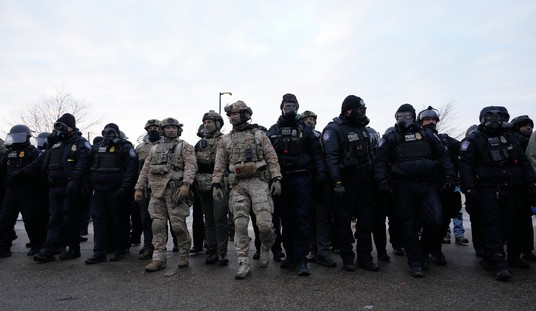
What do you think? Is this just a political ploy so the administration can say our military has left Iraq when, in fact, we're still very much there?"The State Department is trying to become increasingly expeditionary," he said.
Perhaps if it's still an "active danger zone," we're leaving a little prematurely? Maybe we should keep our eyes on victory rather than creating new questionable roles for State Department bureaucrats...?








Join the conversation as a VIP Member