


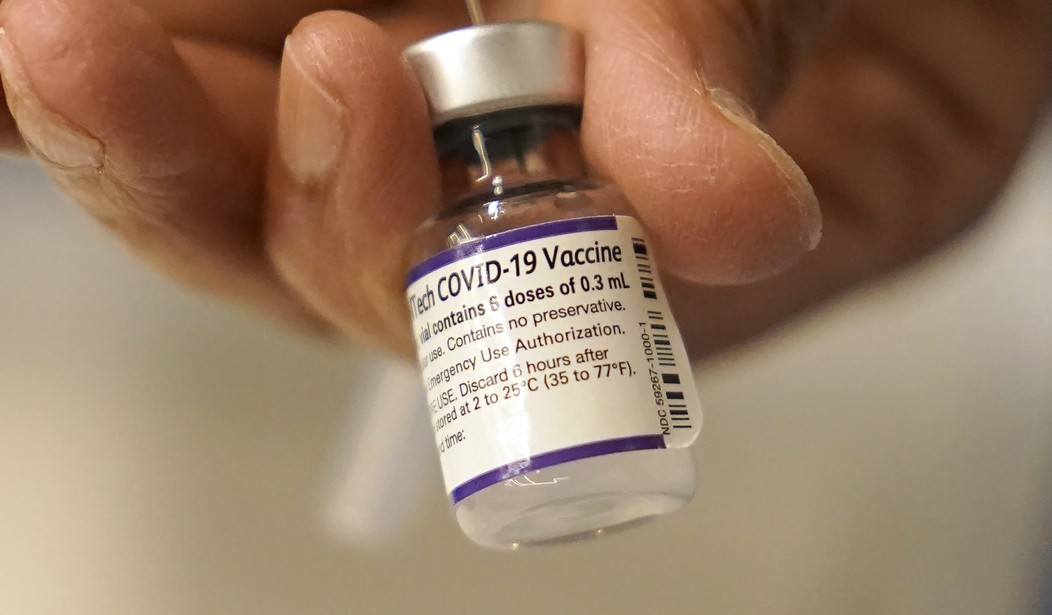
Unboosted students at Emory University in Georgia had their internet access limited, resulting in slower Wi-Fi and blocked access to non-school-related websites like social media.
About 1,300 students were affected by the university's booster vaccine requirements last month. But after facing enduring reduced internet access, more than half of the impacted students either got their booster or requested an exemption, university Executive Director for COVID-19 Response and Recovery Amir St. Clair told the Emory Wheel.
“The WiFi restrictions were a valuable compliance measure to help promote participation,” St. Clair said. “Our hope is that it will continue to have an impact.”
Students received notice of changes to their internet access in February.
St. Clair explained that students would have their internet restored to normal after a few days if they get their booster shot. Students who requested a booster exemption, however, would have to wait longer due to the 7 to 10-day process of reviewing and approving such requests. He noted that unboosted students could suffer additional consequences later on but did not specify what those penalties would entail.
Nearly 95 percent of students and 91 percent of faculty have received both initial COVID vaccines and their booster shot if they are eligible to receive it, according to Emory's COVID-19 dashboard.
Last month, the university suffered a slight increase in COVID cases, with 53 infections among students, faculty and staff in the last 10 days compared to only 35 cases reported in the weeks of March 3 and March 18, the university's dashboard shows.
Recommended
St. Clair said the university has experienced "very low rates of transmission" of the coronavirus on campus.
"We are not seeing a surge, a spike there," he said. "The Emory community and the metro Atlanta area counties continue to be classified as a low-risk community, per CDC guidelines."
He also urged the importance of adhering to COVID protocols as the school's semester draws to a close.
"We just need to continue to be very mindful of the environment that we’re in relative to safety and health," St. Clair said. "We want to continue to make really good decisions so that we can end the year in a very safe and healthy way, and be able to really enjoy the end of the year celebrations and events and parties and commencements."






Join the conversation as a VIP Member