






A big part of Donald Trump's appeal is the unsatisfactory performance of the U.S. economy and the promise that he could turn it around. He's a successful businessman, his supporters say. He'd restore manufacturing jobs by getting tough with China and Mexico, they claim. He'd make America great again.
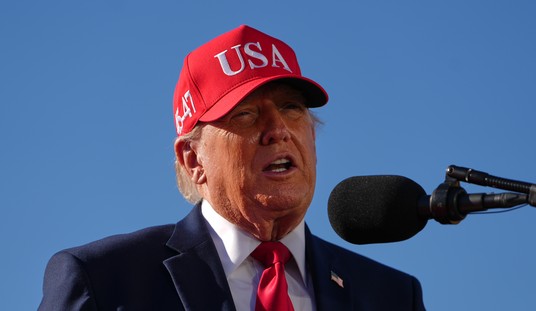
They got these unfounded ideas from listening to Trump. In an economic speech in Detroit last month, he said he would "jump-start America," which he insisted "won't even be that hard." On Thursday, Trump fantasized that his policies would create 25 million jobs over the next decade.
"There is no limit to the number of jobs we can create and the amount of prosperity we can unleash," he proclaimed, giving himself capacities that reach infinity.
But Trump is about as likely to create an economic boom as he is to shave his head. The stark truth is that while presidents get a great deal of blame and credit for the productive sector, they don't have much control over it.
"When you tote up even the wildest promises of the current campaigns, it doesn't make much of a difference to the economy as a whole," says economist John Cochrane of the free market Hoover Institution at Stanford University. Economist Douglas Holtz-Eakin of the conservative American Action Forum told the Los Angeles Times Trump is "over-counting what he could get."
The economy is subject to all sorts of unpredictable factors that can overwhelm the most determined efforts of the person in the Oval Office. Growth in China, oil production in Saudi Arabia, Britain's withdrawal from the European Union -- any of these can have ripple effects in this country. Demographic changes here at home also play a role. Unforeseen events -- terrorism, natural disasters, war, financial crises -- can upend expectations overnight.
No one has more direct influence on the economy than Janet Yellen and her fellow Federal Reserve governors. As they and we have learned to our sorrow since 2008, though, even they often find themselves pulling levers that don't seem to be connected to anything.
For years, the Fed has been using low interest rates and expansionary monetary policy to goose growth. And for years, growth has lagged. One thing the Fed was always able to do before was unleash inflation. Lately, it's been unable even to get the annual rate up to the 2 percent it regards as optimal.
If the world's most important central bank is so ineffectual, how potent can a president be? Presidents, after all, face far more constraints than the Fed. Major policy changes often require legislation, which requires compromise with Congress. They don't control either spending or revenues, which are likewise subject to the approval of lawmakers.
Those flows of cash are susceptible not only to legislation but also to the ups and downs of the economy -- which can raise or lower the incoming amount and outgoing obligations with no action by the people in power.
When expenditures surged and receipts shrank in 2008, it wasn't because President George W. Bush decided it would be a great idea to nearly triple the federal deficit. It was because the economy had plunged into a severe recession that he never sought.
The weak growth under Barack Obama occurred even though he got Congress to approve a big stimulus package. Had that program worked as intended, we'd all have spent the past seven years wondering how to spend all the money raining down on us. But Obama has found that unlocking strong growth can be like cracking a safe.
Trump's promise to create a net total of 25 million jobs qualifies as utterly preposterous. The longest peacetime expansion in American history, which occurred under President Bill Clinton, fell short of that feat. And the next president will face headwinds -- sluggish growth abroad, an aging population and an immigration slowdown -- that Clinton didn't.
The most important economics book of 2016, by Northwestern University economist Robert Gordon, is "The Rise and Fall of American Growth." It makes an exhaustive case that the huge improvements in living standards during the 20th century were a unique phenomenon that can't be repeated.
"America is riding on a slow-moving turtle," Gordon contends. "There is little that politicians can do about it."
That view may be too pessimistic. But if Trump becomes president, he will learn that whether he's atop a turtle or a thoroughbred, he can't make it gallop.
Join the Conversation
VIP members get the ability to comment on articles.