





You can catch a lot more flies with honey than vinegar, the adage goes. But advocates of same-sex marriage have a deal for the citizens of California: all the vinegar they can drink.

Those citizens don't believe gays should be allowed to unite under the name of marriage. In 2000, more than 61 percent of voters supported a ballot measure barring such unions. That didn't mean the voters get their way. Last summer, the state Supreme Court struck the law down on the ground that it violated the California Constitution by discriminating on the basis of sexual orientation.
But Californians were not content to let the court substitute its judgment for theirs. In November, they approved Proposition 8, a constitutional amendment outlawing gay marriage, with a 52 percent majority. If the constitution required recognition of same-sex marriage, the people decided, the constitution needed correcting.
That should have been the end of the legal battle and the beginning of a political one, where gay rights have excellent prospects. After all, they have made steady progress on the issue, expanding their support from 39 percent of voters to 48 percent in just eight years. Given the trend, their chances of persuading a majority in the next few years look good -- if they were to focus on persuading the majority.
But this is a tedious and time-consuming task compared to trying to get the state Supreme Court to nullify the will of the people. So opponents of Proposition 8 chose the latter option after their defeat.
And for what end? Not so that gays can have the full package of rights and duties that go with the institution of matrimony. They already have those -- insofar as the state of California can provide them -- thanks to a domestic partnership law that duplicates everything about marriage except the name. This is not a fight over fundamental equality. It's a fight over nomenclature.
Recommended
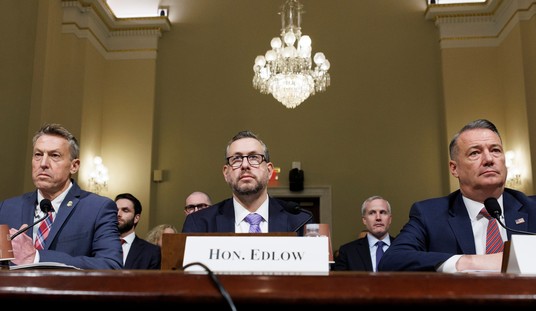
On Thursday, the fight went back to the Supreme Court in San Francisco, where state Atty. Gen. Jerry Brown insisted that the people of California, who created the constitution, don't have the power to change it as they tried to do this time. He argued that it protects pre-existing inalienable rights, including the right to marry, and that an inalienable right "cannot be taken away by a popular vote."
But inalienable rights are empty concepts without legal protection -- which in this case they enjoy only because of a constitution approved by the people. If those people had wanted to deny themselves the power to repeal rights protected by the state constitution, they could have included a provision to do that. They didn't.
Instead, they erred on the side of making it easy to amend their charter. Any limits on that power, beyond those imposed by the federal constitution, exist only in the mind of legal fantasists.
It was one thing to demand that the state Supreme Court overrule the will of the people once, and on a mere law. It's quite another to ask it to repudiate their verdict again, after they had decided to alter the constitution precisely to reverse a decision of the Supreme Court.
The justices apparently were not enchanted by the invitation. "We would like to hear from you why the court can willy-nilly disregard the will of the people to change the constitution," Justice Joyce Kennard told the lawyers urging the invalidation of Proposition 8.
Kennard, it should be noted, was among the justices who voted last year to legalize same-sex marriage. So did Chief Justice Ronald George, who Thursday suggested that the current method of amendment "is the system we have to live with until and unless it is changed."
The nice thing about the referendum option is that once gay-marriage supporters constitute a majority, they can promptly amend the constitution to their liking -- as I hope they do. But it is hard to win voters to your side while telling them they have no legitimate say on the issue.
Like it or not, the California Constitution notes a basic truth in a democratic society: "All political power is inherent in the people." Advocates of same-sex marriage might do better by treating those people not as opponents to be defeated but as allies to be won.







Join the conversation as a VIP Member