





Free-market economists have always favored free trade. That means there are no quotas or tariffs imposed by any country on any product. The theoretical outcome is that all countries benefit by producing goods that are produced most efficiently and then trading for other products with countries that have a comparative advantage.
In other words, the U.S. produces wheat extremely efficiently. Columbia produces coffee very efficiently. If the U.S. produces just wheat and Columbia produces just coffee, the total output of the two countries would be greater than the total if each country made each product and did not trade.
If they trade fairly and freely to meet the country’s needs for the product they are not producing, both countries end up with more. Everyone wins.
There are some downsides. Free trade often results in a structural unemployment problem. That occurs when the newly created jobs are not filled by the unemployed because the skills don’t match. If the U.S. stops producing coffee, coffee workers become unemployed. The expanding wheat industry needs workers. If the skills of the unemployed coffee workers don’t match the skills of the wheat growers, a structural unemployment problem is created.
If one country is starting to see their entrepreneurs investing in a new product that is currently being imported, the foreign competition is often able to take actions that make it nearly impossible for the new firm to exist. So new domestic industries suffer.
And lastly, each country relies on the other for the total supply of a product. With some products that could be a very serious problem, especially if a country cuts off the supply of vital goods. That may mean Americans (in my example) won’t get their coffee or it could be Americans don’t get medicines in the real world.
Over time, most economists wrote off the objections. They reasoned that training program can reduce structural unemployment. Government assistance to new firms can increase the likelihood of their success. And if the selling country cuts off the supply to the purchasing country, their revenue would fall, perhaps significantly. In other words, they need us as much as we need them.
Economists also reasoned that this mutual reliance should tend to reduce hostilities between countries that need each other for their economies to grow and flourish
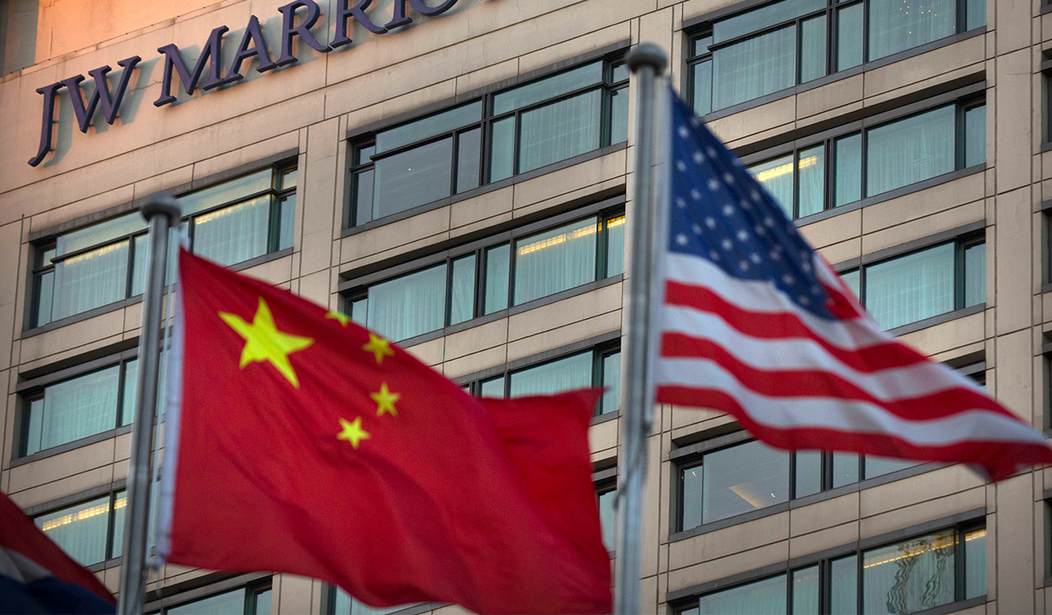
The prior administration and then the pandemic changed many economists' view of free trade. In 2017, the administration examined the various trade agreements the U.S. had. In every case, the agreements were slanted in favor of our trading partners and to the detriment of U.S. interests.
For instance, under an agreement, when China produced a car and sold it in the U.S., they were charged a 10 percent tariff. When the U.S. sold an American-made car in China, a 25 percent tariff was charged. Obviously we will buy their products, so many of our dollars flow into China. At the same time our cars are so expensive in China, few are sold so few of China’s dollars flow in to the U.S.
That results in a $400 billion annual trade deficit with China.
With much production occurring in China, valuable jobs are lost by workers with very specific skills. They are often in mid-life when acquiring new skills may be difficult.
Most worrisome is the reliance on China for life-preserving and life-saving medicines and medical devices. The pandemic has shown that this reliance can put the U.S. in a difficult position. Most Americans would likely agree to a higher price if the product was made in America.
To reverse the huge negative trade deficit with China, higher tariffs were placed on many of the goods they produce. That action allowed some American companies to start to produce. The steel industry sprung back to life.
Today, Congress is considering removing many of the tariffs currently in place on China. That will result in manufacturers remaining in China and may attract more manufacturers. While that will tend to keep prices down, it will increase our reliance on China, which often has an adversarial position with the U.S.
It appears economists, even free-market economists, are changing their view on free trade, mostly because free doesn’t mean fair and sometimes the non-economic impacts of policy actions are greater than the economic benefit.



Join the Conversation
VIP members get the ability to comment on articles.