Jamie Raskin's Low Opinion of Women
Thank You, GOD!
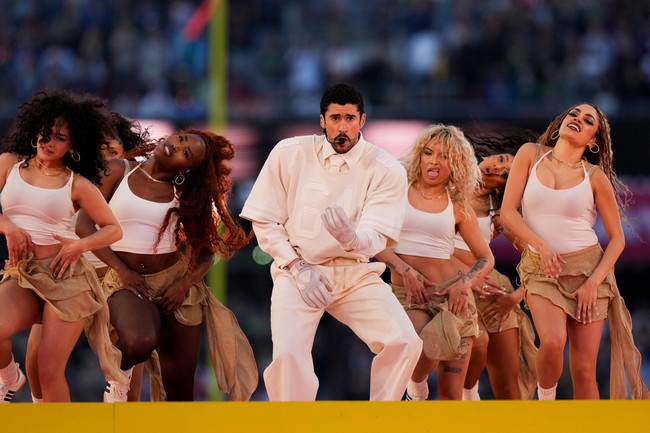
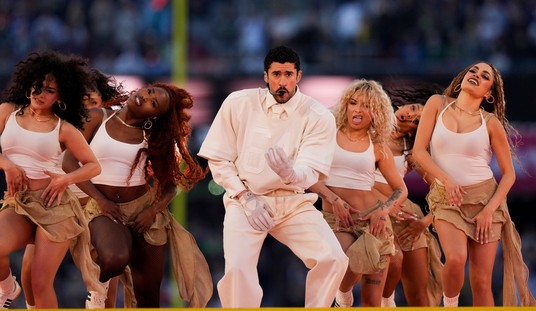
Trump Slams Bad Bunny's Horrendous Halftime Show
Federal Judge Sentences Abilene Drug Trafficker to Life for Fentanyl Distribution
The Turning Point Halftime Show Crushed Expectations
Jeffries Calls Citizenship Proof ‘Voter Suppression’ as Majority of Americans Back Voter I...
Four Reasons Why the Washington Post Is Dying
Foreign-Born Ohio Lawmaker Pushes 'Sensitive Locations' Bill to Limit ICE Enforcement
TrumpRx Triggers TDS in Elizabeth Warren
Texas Democrat Goes Viral After Pitting Whites Against Minorities
U.S. Secret Service Seized 3 Card Skimmers in Alabama, Stopping $3.1M in Fraud
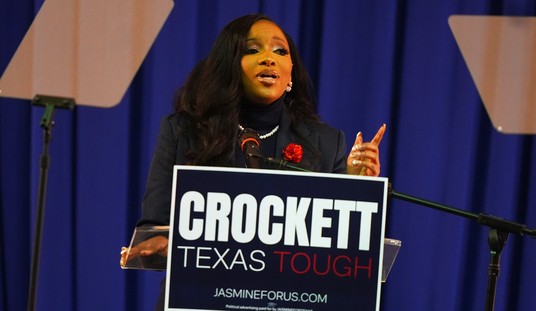
Jasmine Crockett Finally Added Some Policy to Her Website and It Was a...
No Sanctuary in the Sanctuary
Chromosomes Matter — and Women’s Sports Prove It
The Economy Will Decide Congress — If Republicans Actually Talk About It
Tipsheet

Back to Iraq Journal - Vets for Freedom

I served in Iraq as a Marine infantry officer from September 2004 to March 2005. My unit, Alpha Company, 2nd Light Armored Reconnaissance Battalion, was stationed near Fallujah in Anbar province.  It was a tumultuous time back then. In early 2004, the infamous Blackwater incident took place where a convoy of contractors was ambushed and killed in the center of Fallujah. After an aborted U.S. attack in April 2004, insurgents took control of the city. My company participated in the second battle for Fallujah in November 2004, cordoning off the southeast corner of the city. After the battle, we moved out to a peninsula west of Fallujah and conducted counterinsurgency operations in partnership with the Iraqi Army. We lived with Iraqi troops in several towns, developing strong relations with the community. Knowing that they were safe from reprisals, locals provided critical intelligence that helped us dismantle numerous insurgent cells. Security dramatically  improved.[# More #]
Advertisement


I became involved in Vets for Freedom based on this personal experience. I saw that Iraq was not a lost cause when the right approach was used. It gave me hope in the “surge,” even though many political leaders and pundits declared that it would fail. The most significant aspect of the “surge” was the implementation of a counterinsurgency strategy across all coalition units. U.S. and Iraqi forces moved into residential areas to protect the people and break the cycle of violence. The “surge” has been effective in improving security and fostering political reconciliation. It is now time to examine the depth and sustainability of these gains. During my week-long embed, I will report on the situation in Anbar. In particular, I will look at the development of the Iraqi Security Forces, the upcoming provincial elections, and the prospects for continued stability in Anbar.  All of these issues greatly impact the question on the minds of most  Americans: When can the troops come home?

Today (August 5), we are at an airport hotel in Kuwait, waiting for our flight tomorrow to Baghdad. After we visit the media center in the Green Zone, we will all split up and travel to where we previously served. It is an honor to be going back to Iraq with such a fine group of veterans. It is an even greater honor to embed with those still in uniform. Next time, I will be writing from Iraq.
Advertisement
Join the conversation as a VIP Member

Recommended

Trending on Townhall Videos

Advertisement
Advertisement
Advertisement