





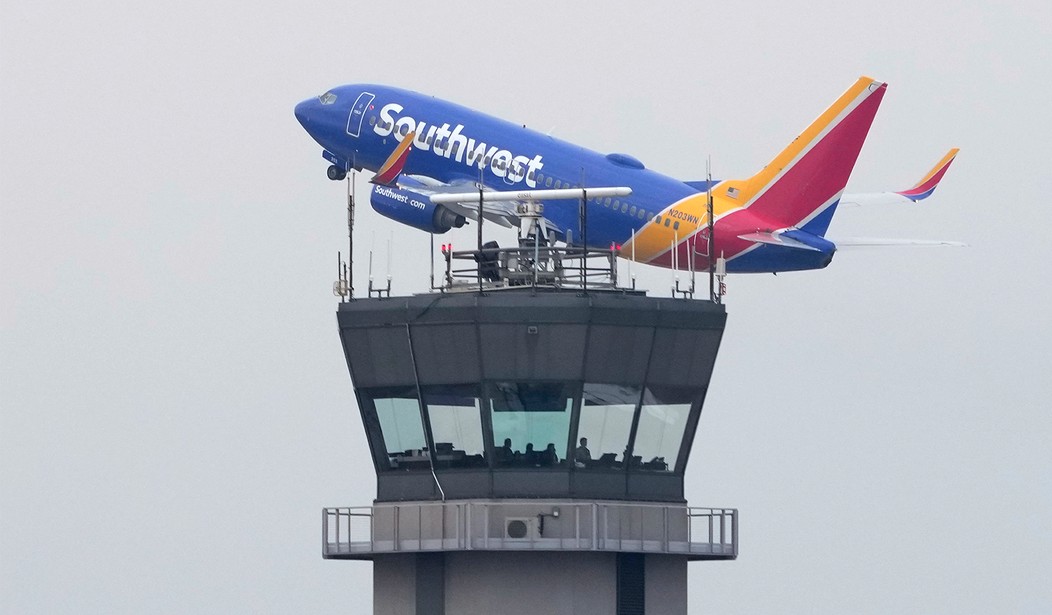
In another alarming instance, a six-minute communications outage at Denver International Airport left more than a dozen pilots unable to reach the control tower, putting countless lives at risk. This is just the latest in a string of aviation mishaps and system failures reported over the past two weeks, highlighting serious concerns about the management and oversight of air travel safety in the United States.
Earlier this week, air traffic control at Denver International Airport experienced a six-minute outage caused by several radio transmitter failures. During this time, at least 20 pilots were unable to communicate with air traffic controllers while descending into the airport. Eventually, a controller managed to reach one pilot using a "guard line"—a special emergency frequency for distressed pilots. This pilot then relayed instructions to the other aircraft, advising them to switch to a different frequency.
Reports indicate that four frequencies from the two primary towers were already offline, forcing air traffic controllers to use a backup fifth frequency. However, that frequency also failed shortly after.
David Riley, a retired air traffic controller with 32 years of experience, echoed similar comments of Transportation Secretary Sean Duffy, who both said the equipment is outdated.
“The biggest risk is you have airplanes that you're not talking to. And then, therefore, the pilots have to try to figure it out themselves,” Riley said. “It says that the equipment is getting old.”
“It's one thing to lose track of one airplane because you can't communicate with them, but to lose track of all of the airplanes that you had communication with,” he continued. “And from my understanding, in this situation, they still had radar coverage, but that's like watching a car crash happen and not be able to do anything about it.”
On Monday, I reported on a press conference in which Duffy held the Biden administration and former Transportation Secretary Pete Buttigieg responsible for the persistent issues at U.S. airports, following a critical equipment failure at Newark Airport that led to numerous flight cancellations and delays. He argued that the administration has neglected to make essential upgrades to the nation's vital infrastructure.
Join the Conversation
VIP members get the ability to comment on articles.