







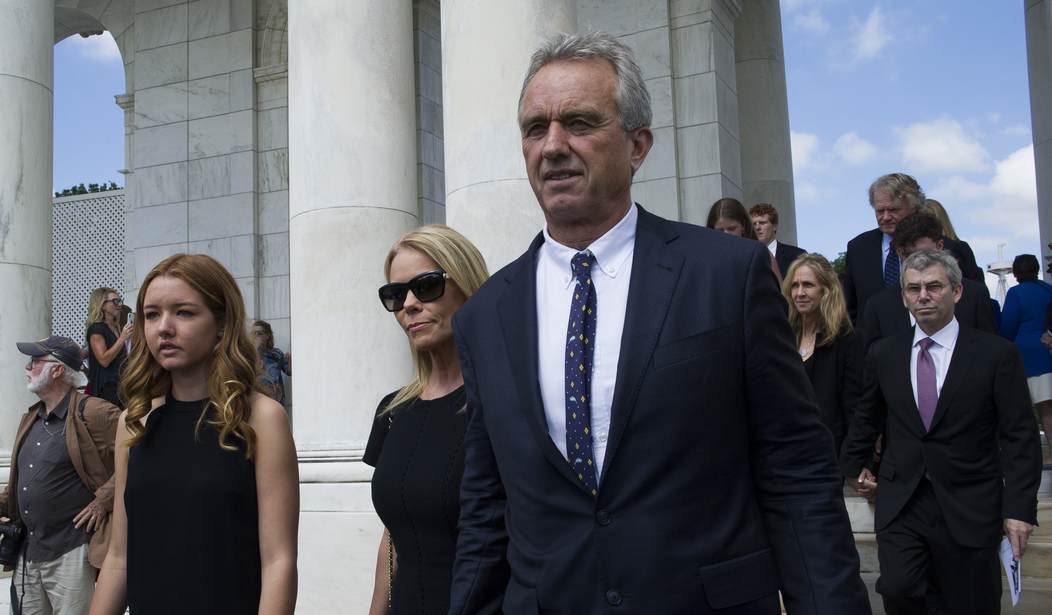
Robert F. Kennedy Jr. has unveiled a bold proposal to address the nation's ongoing opioid crisis through a new model of drug rehabilitation: "wellness farms." Drawing on his long-standing commitment to public health and environmental activism, Kennedy envisions these farms as serene, holistic spaces where individuals struggling with addiction can find healing. The farms would focuse more on peer-to-peer support and behavioral strategies for addiction, rather than relying on medication-based treatments like methadone or buprenorphine, which are designed to reduce the intense cravings for opioids that often lead to relapses.
Kennedy, who has struggled with addiction to substances such as cocaine and heroin, is advocating to different solutions to treating people. While wellness farms is not a new concept, they are based on a framework known as a "therapeutic community" model to help those addicted to antidepressants, stimulants, and anti-anxiety medications.
“I’m going to make it so people can go, if you’re convicted of a drug offense, or if you have a drug problem, you can go to one of these places for free,” he said.
Kennedy stated he would fund the wellness farms through a tax on cannabis sales, contingent on marijuana being removed from the Schedule One controlled substances list.
“I’m going to move it off Schedule One and I’m going to start collecting taxes on it. That’s going to bring in $8.5 billion dollars in revenue. I’m going to dedicate that revenue to creating wellness farms, drug rehabilitation farms, in rural areas all over this country,” he continued.
Kennedy noted that drug addiction is the second leading cause of death among young people, emphasizing that individuals can take as much time as needed at these facilities to get clean, "learn to be re-parented, reconnect with communities, and understand how to communicate with others." He also mentioned that those at the wellness farms would receive job training and learn to grow their own organic food.
Last year, Kennedy released a documentary titled “Recovering America,” in which he traveled across the U.S. exploring innovative drug treatment programs.
Kennedy has been a staunch critic of America’s food industry. Pointing to environmental and health impacts, he has blamed the issue on the influence of large agribusiness corporations on policy and the use of harmful chemicals in food production, such as pesticides. Kennedy has also criticized the industry's role in promoting processed foods that contribute to health problems like obesity and diabetes.
Even before being tapped by President Donald Trump’s nominee to be Secretary of Health and Human Services, RFK Jr. has often called for more transparency, stricter regulations, and better practices to ensure the safety and sustainability of the food system.
Confirmation hearings for Kennedy are set to begin next week. Senators are expected to question him about his controversial stances on vaccines, fluoride, abortion, and other contentious health issues.

Join the Conversation
VIP members get the ability to comment on articles.