



Advertisement
In fact, I think the confirmation process is a wonderful opportunity for all Americans to reflect again on our Constitution and appreciate the very special roles of all parts of our government in preserving our liberties. Senators must ask tough, substantive questions to determine if the nominee respects the Constitution and laws as written or is instead inclined to rewrite them to fit with her own political worldview, the traditional purview of the legislative branch.
We know from past statements that President Obama's ideal nominee is one "who's got the heart, the empathy, to recognize what it's like to be a young teenage mom, the empathy to understand what it's like to be poor or African-American or gay or disabled or old—and that's the criterion by which I'll be selecting my judges."
In fact, explaining his vote against the confirmation of Chief Justice John Roberts, Obama declared that deciding the
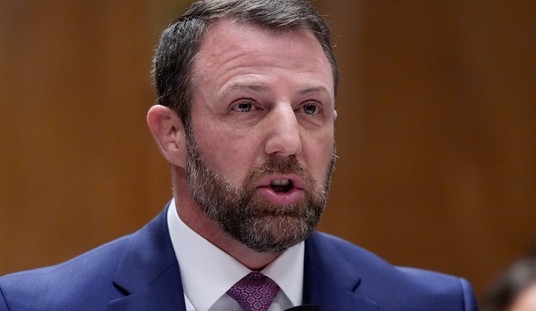
One wonders what he found lacking in Chief Justice Roberts’ heart; but still more disconcerting is the fact that a Justice's role is to interpret the law, not make it based on feelings and emotions.
Judge Sotomayor has admitted that she applies her feelings and personal politics when deciding cases. In a 2001 speech at Berkeley, she stated that she believes it is appropriate for a judge to consider their “experiences as women and people of color,” which she believes should “affect our decisions.” She went on to say in that same speech “I would hope that a wise Latina woman with the richness of her experience would more often than not reach a better conclusion than a white male who hasn’t lived that life.”
She reiterated her commitment to that judicial philosophy at Duke Law School in 2005 when she stated that the “Court of Appeals is where policy is made.”
If this is truly her view of interpreting the law, and I do hope we’ll learn more through a thorough evaluation and confirmation process, then President Obama’s nominee appears lacking.










Join the conversation as a VIP Member