





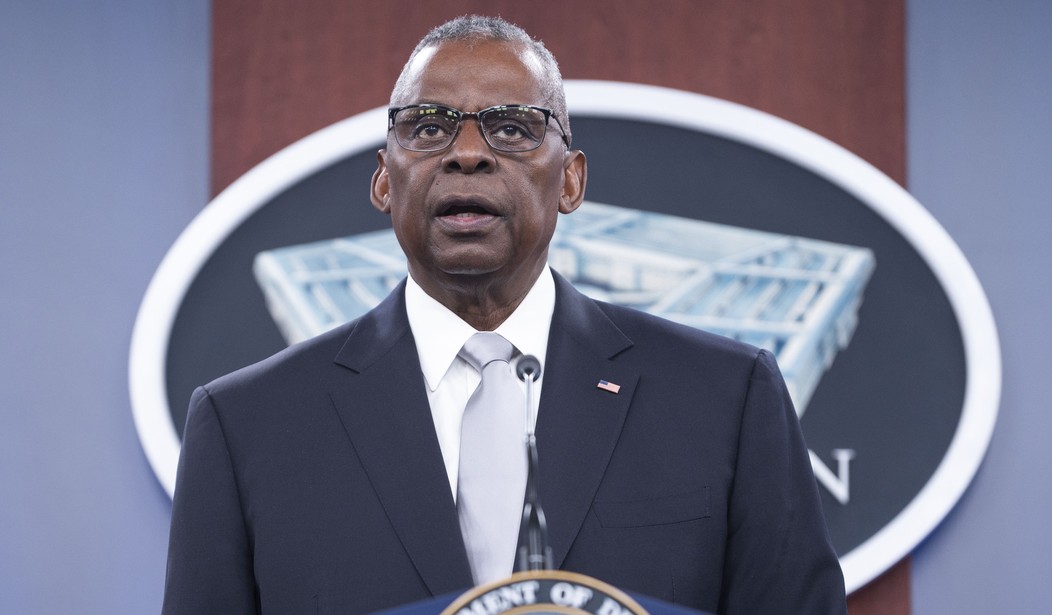
The U.S. Department of Defense (DoD) is currently "dealing with climate change as a security concern for Africans."
"Combating climate change is a priority to the nations of Africa, and U.S. officials are listening and responding to those concerns," Biden-Harris administration official Maureen E. Farrell, the deputy assistant secretary of defense for African affairs, announced in a DoD statement this week.
According to Wednesday's press release, "African nations see the effects of climate change daily with the desertification of the Sahel region, abnormally destructive storms, flooding and more."
NEWS: D0D Dealing With Climate Change as a Security Concern for Africans https://t.co/rVTfsRsNDX
— Department of Defense 🇺🇸 (@DeptofDefense) December 12, 2024
For example, the Defense Department points to rising temperatures around the Horn of Africa, specifically in Djibouti, where temps have increased each decade since 1971 and are expected to surge further. Djibouti, which has a large U.S. military presence, is already one of the hottest countries on Earth, the DoD notes.
"It's an issue that our African colleagues raise to us repeatedly in almost every engagement we have overseas," Farrell said.
In accordance, the Defense Department is "obviously aware of the problems caused by climate change and global warming."
Since the American military must be ready to operate in any condition, U.S. leaders are working with their African counterparts to learn new strategic-readiness practices, techniques, and procedures for operating in "a changing climate."
Farrell noted that "African nations have much to teach U.S. service members about operating in stressed environments."
"Climate change is also exacerbating the threat environment worldwide," Farrell added. In Africa, "the changing climate drastically affects the strategic landscape."
It's consequently created conflict, Farrell said. African nations are sparring over water resources and arable land. Millions of Africans are refugees from the "effects of climate change" and war.
In almost all of the sub-regions of Africa, there are tensions over droughts, flooding, and agricultural productivity, leading to mass migration, and European allies are feeling those pressures, she said. "As people have fewer viable farming areas, we see population flows moving to where they can sustain themselves. And this — in many cases — means moving north from the Sahel," the semi-arid region of Africa separating the Sahara Desert to the north and tropical savannas to the south.
"Climate stressors increase the potential for conflict," Farrell continued, and such resource-related tensions brought by extreme weather conditions can destabilize an area.
"Candidly, these are environments where violent extremists can thrive," Farrell stated. "When people, when families, when communities, reach a sense of desperation because of a lack of economic opportunity or agricultural failure or a lack of sustainable water sources, they are more easily lured by some of the offerings from violent extremists."
Furthermore, "Climate-stressed areas are a recruiting opportunity for terrorist groups," she said. Previously, in drought-hit Somalia, the terror group al-Shabab saw upticks in recruitment numbers. This is directly tied to the lack of opportunities in the communities there, Farrell explained.
The DoD's approach in Africa goes "well beyond climate change," the federal agency says. "Environmental security includes climate change to be sure," but also involves ecological degradation, wildlife poaching and tracking, unreported and unregulated mining, unregulated fishing, and illegal lumbering. All these factors undermine regional stability and security.
"We seek to address them in a holistic manner, to address these challenges," Farrell said. "We're focused with our African partners on addressing their environmental and climate security concerns, and we're integrating climate in how we engage with our partners on training, assistance, our key leader engagements, and then also looking at some of the innovative solutions that our partners are developing on the ground."
Increasing the resiliency and sustainability of African nations is beneficial for us long-term, the DoD argues. Eventually, they'll "become more self-reliant and less dependent on outside aid, with all the baggage that brings with it."
"The department's work in this space is fundamentally about understanding, preparing for and adapting to a changing strategic environment in which we cannot afford to fail," Farrell said. "The consequences of inaction on climate will be severe, and our allies and partners will face growing security challenges as a result."


Join the Conversation
VIP members get the ability to comment on articles.