





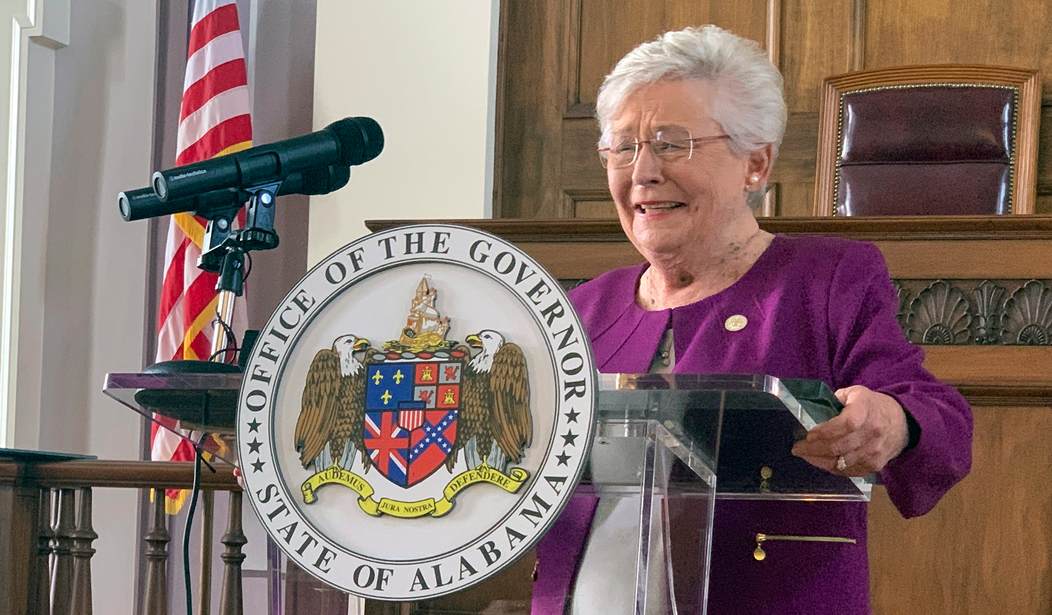
We’ve encountered a problem in Alabama: the new map was struck down in court. The state received approval to proceed with a new map after the Callais decision, which limited the Voting Rights Act’s race-based congressional apportionment provision. Before that ruling, Alabama was prohibited from redrawing its district boundaries mid-decade. They attempted to do so, but it was rejected, and now the Supreme Court is being asked to make a final decision. The ruling blocking the new Alabama map was handed down yesterday (via NYT):
Alabama has appealed this ruling to the United States Supreme Court. https://t.co/RHKK4GCThw pic.twitter.com/8yGYOwZF17
— SCOTUS Wire (@scotus_wire) May 26, 2026
BREAKING: A federal court temporarily blocks Alabama's plan for new congressional districts that could help Republicans. -AP
— Breaking911 (@Breaking911) May 26, 2026
The panel of federal judges blocks Alabama from using its 6R-1D congressional map for the 2026 midterms. (Pictured below)
— Politics & Poll Tracker 📡 (@PollTracker2024) May 26, 2026
Reinstates 5R-2D map https://t.co/5BlxhzPn6o pic.twitter.com/90LAPJeK8L
Alabama’s Attorney General has appealed the preliminary injunction blocking Alabama’s Redistricted map to the US Supreme Court https://t.co/iigVEOaqAm pic.twitter.com/hI6JI1QMZ6
— OSZ (@OpenSourceZone) May 26, 2026
A panel of federal judges on Tuesday rejected Alabama’s effort to use a new voting map for the November midterm elections, saying that the districts discriminated against Black people and could not be used so shortly before a vote.
Alabama’s attorney general, Steve Marshall, announced in a court filing Tuesday afternoon that he would immediately appeal to the Supreme Court, which last month ruled that a Louisiana congressional map drawn to create two majority-Black House districts was an unconstitutional racial gerrymander. Gov. Kay Ivey, a Republican, has already set special primaries in August in four House districts that would be affected by her state’s new congressional map.
The ruling further confuses the electoral landscape across the South, as Republican-led legislatures have raced to implement new district lines after the Supreme Court narrowed the Voting Rights Act of 1965. It also demonstrates how the ruling from the nation’s highest court has further muddled how lower courts interpret the landmark civil rights law.
[…]
After last month’s Supreme Court decision rejecting Louisiana’s congressional map, Republicans in Southern states saw an opportunity to redraw districts that had core blocs of Black voters who repeatedly elected Democrats, adding to an ongoing gerrymandering battle launched by President Trump and his allies in Texas.
In Alabama, state officials instead pushed to use the 2023 map, a move the Supreme Court cleared the path for earlier this month. However, it still left the decision up to the federal panel of judges, the same one that rejected the congressional map.
Let’s see what happens.
In South Carolina, their effort to redraw maps ended when Republicans in the state Senate sided with Democrats to avoid invoking cloture, effectively stopping the process. Meanwhile, Tennessee and Florida’s maps can go into effect.
Editor's Note: Do you enjoy Townhall's conservative reporting that takes on the radical left and woke media? Support our work so that we can continue to bring you the truth.
Join Townhall VIP and use promo code FIGHT to receive 60% off your membership.
Join the Conversation
VIP members get the ability to comment on articles.