UNL Student Government Passes SJP-Backed Israel Divestment Resolution
How Long Can America Go on Like This?
Intrusive Bankers and Government Overreach
Trump’s America First Dealmaking on AI Export Controls
Washington Post Layoffs Mark Long-Awaited Decline of Regime Media
Biology and Common Sense Triumph Over Radical Transgender Ideology
Respect the Badge. Enforce the Law but Fix the System.
In the Super Bowl of Drug Ads, Trump’s FDA Plays the Long Game...
From Open Borders to Ruinous Powderkegs
New Musical Remakes Anne Frank As a Genderqueer Hip-Hop Star
Toledo Man Indicted for Threatening to Kill Vice President JD Vance During Ohio...
Fort Lauderdale Financial Advisor Sentenced to 20 Years for $94M International Ponzi Schem...
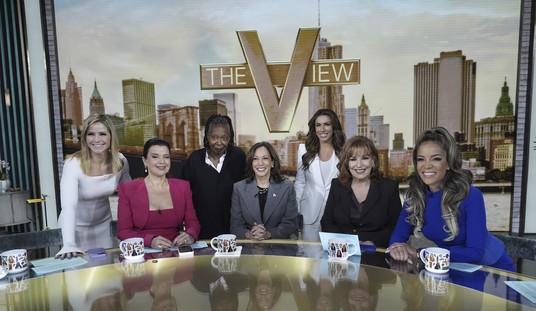
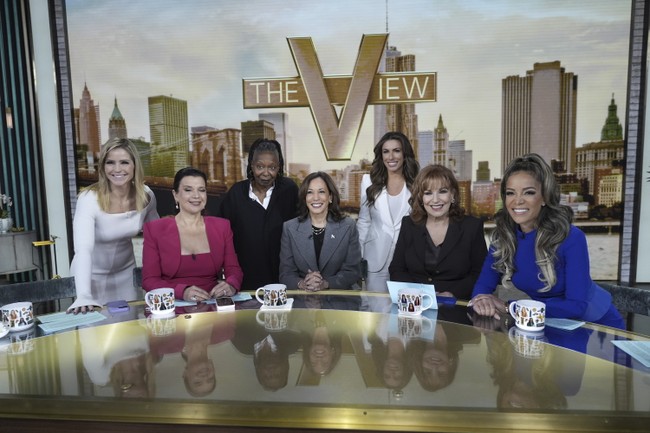
FCC Is Reportedly Investigating The View
Illegal Immigrant Allegedly Used Stolen Identity to Vote and Collect $400K in Federal...
$26 Billion Gone: Stellantis Joins Automakers Retreating From EVs
Tipsheet

A Little Change Left Over?

Economist Donald Luskin argues that even if you buy-into the "crisis" argument, $700 billion is still too much ...

"... there can be no doubt that the $700 billion authority being sought for the purchase of distressed mortgage-related securities is far too great an amount. Of the $1.26 trillion in non-prime mortgages — that is, “sub-prime” and “Alt-A” mortgages — $743 billion is already either owned or guaranteed by Fannie Mae and Freddie Mac, companies that were shored up by a government rescue earlier this month. That leaves $521 billion, which means the Treasury’s $700 billion would be more than enough to buy them all. And that’s even if the Treasury paid full value. In fact, the Treasury will get a steep discount, considering that many of the mortgages in question are in delinquency or default. Does the Treasury really have to buy every single non-prime mortgage — even the healthy ones — twice over?"
Advertisement
Join the conversation as a VIP Member

Recommended

Trending on Townhall Videos

Advertisement
Advertisement
Advertisement