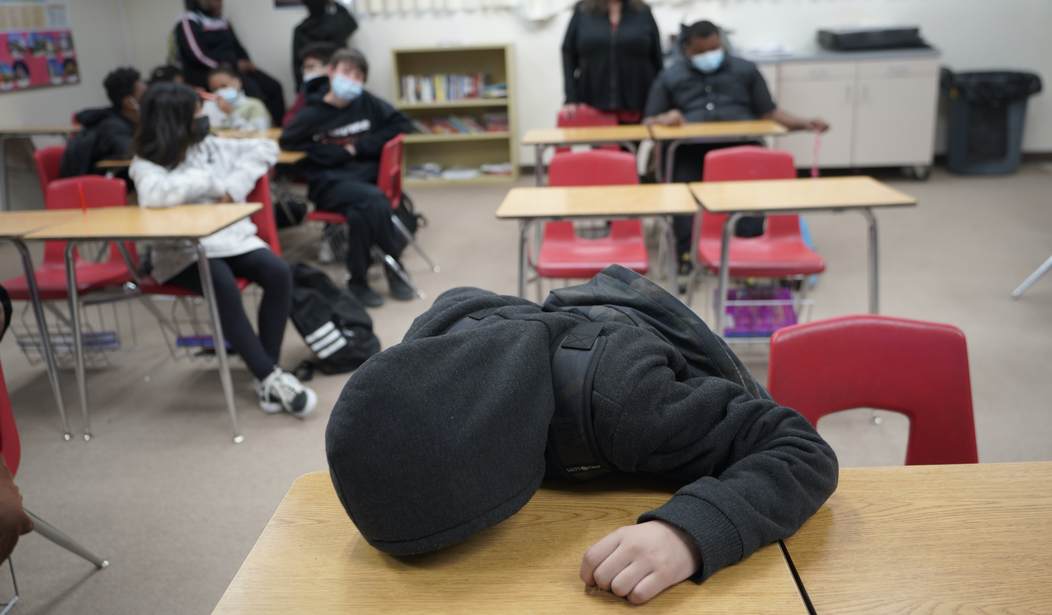
In 2022, a study conducted by the U.S. Centers for Disease Control and Prevention (CDC) showed that more than 40 percent of teens said they felt “sad or hopeless” almost every day for two or more weeks in a row.
In the survey, 31 percent of teenagers said their mental health was “most of the time” or “always” not good during the COVID-19 pandemic.
“These data echo a cry for help,” said CDC Acting Principal Deputy Director Debra Houry in a press release about the findings.
This week, findings released by the Substance Abuse and Mental Health Services Administration (SAMHSA) found that 31.9 percent of those aged 12 to 17 underwent mental health treatment in 2023. This equates to about 8.3 million young people (via SAMHSA):
Percentages of adolescents aged 12 to 17 who received specific types of mental health treatment in the past year ranged from 1.2 percent (or 314,000 people) who received mental health treatment in a prison, jail, or juvenile detention center to 23.6 percent (or 6.1 million people) who received mental health treatment in an outpatient setting. An estimated 14.2 percent of adolescents (or 3.7 million people) received mental health treatment via telehealth.
The 2022 report showed that 7.7 million people, or 29.8 percent, received mental health treatment in 2022 (via SAMHSA):
An estimated 23.0 percent of adolescents aged 12 to 17 (or 5.9 million people) received mental health treatment in an outpatient setting; 13.8 percent (or 3.6 million people) received mental health treatment via telehealth; 12.8 percent (or 3.3 million people) took medication that was prescribed for their mental health; 3.0 percent (or 783,000 people) received mental health treatment in an inpatient setting; and 1.2 percent (or 304,000 people) received mental health treatment in a prison, jail, or juvenile detention center.
“We're pleased to see that more people received mental health treatment in 2023 than the previous year," said Miriam E. Delphin-Rittmon, Ph.D., HHS Assistant Secretary for Mental Health and Substance Use and the leader of SAMHSA in a statement.
The press release noted that 4.5 million youth (ages 12 to 17) had a major depressive episode in the past year, of which nearly 1 in 5 also had a substance use disorder.
In addition, among people aged 12 or older in 2023 who were classified as needing substance use treatment in the past year, about 1 in 4 (23.6% or 12.8 million people) received substance use treatment in the past year. People were classified as needing substance use treatment in the past year if they had a substance use disorder (SUD) or received substance use treatment in the past year.