





Senior Iranian officials said only a ceasefire deal in Gaza will stop their plan to retaliate against Israel for the assassination of Hamas leader Ismail Haniyeh in their country.
Haniyeh was killed by an explosive device that had been smuggled into the guesthouse in Tehran where he was staying months ahead of his visit. According to The New York Times, the guesthouse is located in a large compound in an upscale neighborhood of Tehran that’s protected by the Islamic Revolutionary Guards Corps. Haniyeh had come to the country for the presidential inauguration.
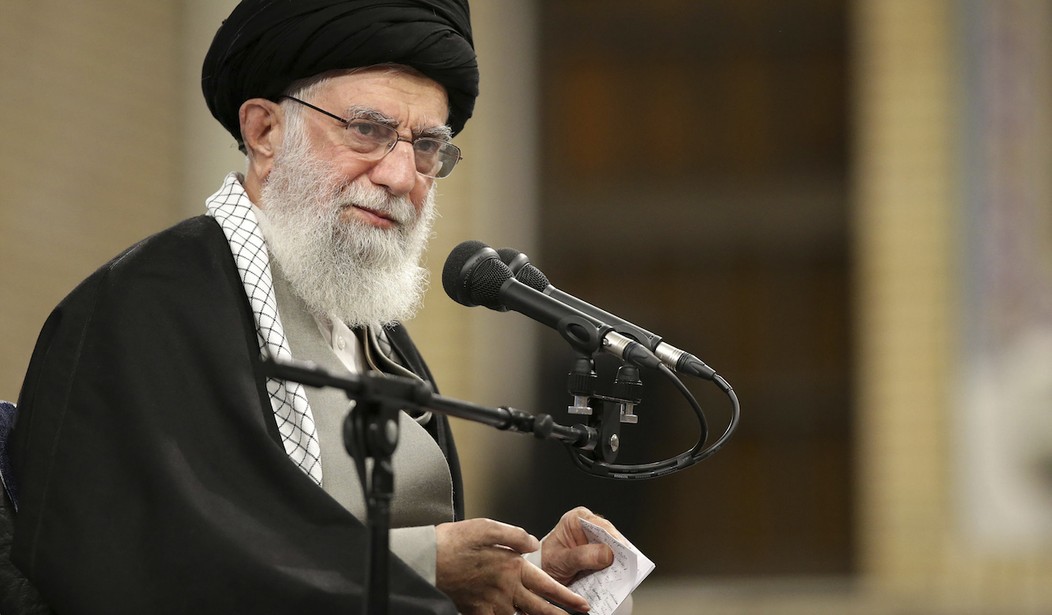
While Ayatollah Ali Khamenei ordered an attack on Israel in response, officials say a ceasefire deal in Gaza could put a halt to those plans.
The U.S., Qatar, and Egypt are holding talks this week and are calling on Israel and Hamas to come to the table for negotiations on Aug. 15 in order to finalize a ceasefire deal, including a release of the hostages.
"A framework agreement is now on the table with only the details of implementation left to conclude," the countries said in a joint statement, Reuters reports. "There is no further time to waste nor excuses from any party for further delay. It is time to release the hostages, begin the ceasefire, and implement this agreement."
One of the sources, a senior Iranian security official, said Iran, along with allies such as Hezbollah, would launch a direct attack if the Gaza talks fail or it perceives Israel is dragging out negotiations. The sources did not say how long Iran would allow for talks to progress before responding.
With an increased risk of a broader Middle East war after the killings of Haniyeh and Hezbollah commander Fuad Shukr, Iran has been involved in intense dialogue with Western countries and the United States in recent days on ways to calibrate retaliation, said the sources, who all spoke on condition of anonymity due to the sensitivity of the matter.
In comments published on Tuesday, the U.S. ambassador to Turkey confirmed Washington was asking allies to help convince Iran to de-escalate tensions. Three regional government sources described conversations with Tehran to avoid escalation ahead of the Gaza ceasefire talks, due to begin on Thursday in either Egypt or Qatar.
"We hope our response will be timed and executed in a way that does not harm a potential ceasefire," Iran's mission to the U.N. said on Friday in a statement. Iran's foreign ministry on Tuesday said calls to exercise restraint "contradict principles of international law." (Reuters)
The U.S. is sending a guided-missile submarine and a second aircraft carrier to the region in anticipation of Iran's retaliation.
White House national security spokesperson John Kirby told reporters on Monday that an attack on Israel could happen as soon as this week.
"We obviously don't want to see Israel have to defend itself against another onslaught, like they did in April. But, if that's what comes at them, we will continue to help them defend themselves," Kirby said.


Join the Conversation
VIP members get the ability to comment on articles.