





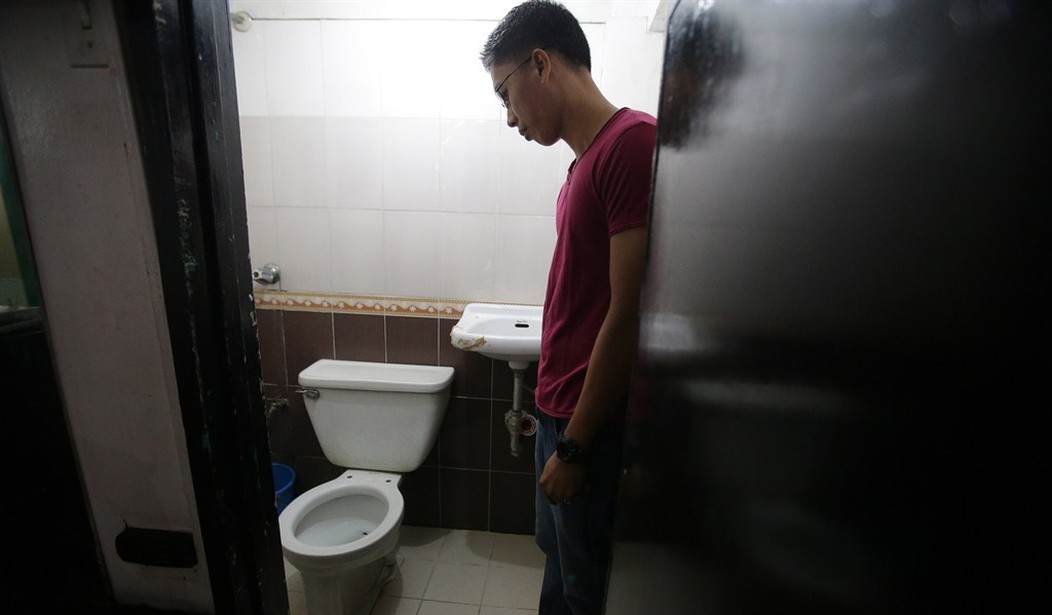
California officials approved of new regulations on Tuesday allowing sewage water that’s been highly purified to become drinking water.
“It will truly be the highest quality water delivered in the state when it’s done,” said Darrin Polhemus, director of the Division of Drinking Water and the State Water Resources Control Board.
The proposed rules, which were years in the making, have not faced pushback among health or water experts in the drought-prone state, CalMatters reports.
"The board’s unanimous vote gives California the most advanced standards in the nation for treating wastewater to such an extent that the finished product meets or exceeds current drinking water standards," a press release notes. "Known as direct potable reuse, the process will enable water systems throughout the state to generate a climate-resilient water source while reducing the amount of wastewater discharged to rivers and the ocean. In fact, recycling water allows water systems to add millions of gallons of additional drinking water to their supplies over time while avoiding costlier and more energy intensive water supplies."
CalMatters explains how the process works:
Between flush and faucet, a slew of steps are designed to remove chemicals and pathogens that remain in sewage after it has already undergone traditional primary, secondary and sometimes tertiary treatment.
It is bubbled with ozone, chewed by bacteria, filtered through activated carbon, pushed at high pressures through reverse osmosis membranes multiple times, cleansed with an oxidizer like hydrogen peroxide and beamed with high-intensity UV light. Valuable minerals, such as calcium, that were filtered out are restored. And then, finally, the wastewater is subjected to the regular treatment that all drinking water currently undergoes.
Daniel McCurry, an assistant professor of civil and environmental engineering at the University of Southern California, said he’d have “no hesitation drinking this water my whole life.”
The new regulations still have to be finalized through the Office of Administrative Law in 2024, according to the press release, but after that water systems can "submit plans for direct potable use projects" to be approved.



Join the Conversation
VIP members get the ability to comment on articles.