
The Biden administration is forcing the transition to electric vehicles with a heavy hand. It's green-lit the first lab-grown meat for sale in the U.S., is cracking down on gas stoves and air conditioning units, and now has its sights set on another feature of modern living.
Last week, the U.S. Department of Energy proposed new energy efficiency standards that it claims will save consumers more than $11 billion on water and energy bills annually.
The proposal would require the most common-sized electric water heaters to achieve efficiency gains with heat pump technology and gas-fired water heaters to achieve efficiency gains through condensing technology.
The standards, to take effect in 2029 if finalized, are expected to save nearly $200 billion and reduce more than 500 million metric tonnes of carbon dioxide emissions over 30 years, about equal to the combined annual emissions of 63 million homes, or approximately 50% of homes in the United States, the DOE said.
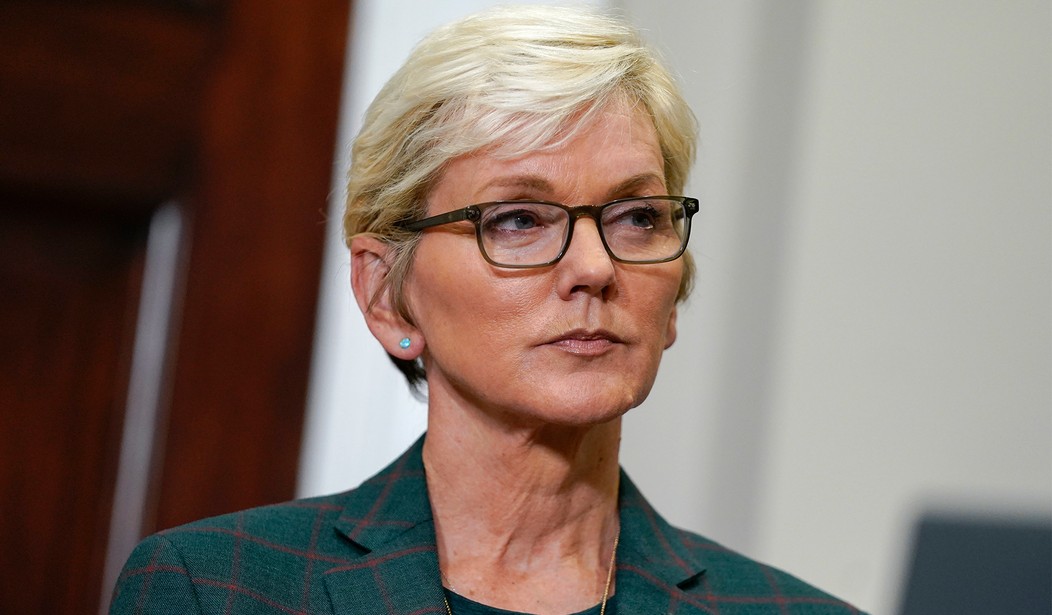
Energy Secretary Jennifer Granholm said the proposal "builds on the unprecedented actions already taken by this administration to lower energy costs for working families."
A group including water heater maker Rheem, environmental group Natural Resources Defense Council and efficiency and consumer advocacy organizations issued a joint statement welcoming the new standards.
Tankless water heater maker Rinnai, however, said the proposed standards for its products were "technologically impossible" and would reduce consumer choice. (Reuters, emphasis added)
Republican lawmakers are among those wondering where it will end.
First, the Left comes for gas stoves and washing machines.
— Sen. Marsha Blackburn (@MarshaBlackburn) July 24, 2023
Now, the Biden administration wants to take away your water heater.
What else will they take in the name of their socialist agenda?
First, they came for your gas stoves.
— Congressman Troy E. Nehls (@RepTroyNehls) July 24, 2023
Then, they targeted your air conditioner.
Now, they’re coming for your water heater.
What’s next?
Leave us alone.
— Thomas Massie (@RepThomasMassie) July 22, 2023
These products already exist in the free market. Consumers should decide whether the upfront cost of a heat-pump water heater is worth the possible long term savings. In many cases, the monthly savings never make up for the upfront cost of the equipment. https://t.co/I0j36USrr4
When asked, White House Press Secretary Karine Jean-Pierre could only emphasize the alleged cost savings and that such a proposal, if enacted, wouldn't begin until the end of the decade.
🚨 Karine Jean-Pierre confirms the Biden administration is seeking to restrict Americans' water heaters and other appliances by 2029 pic.twitter.com/n1dnLXFj5a
— RNC Research (@RNCResearch) July 24, 2023