





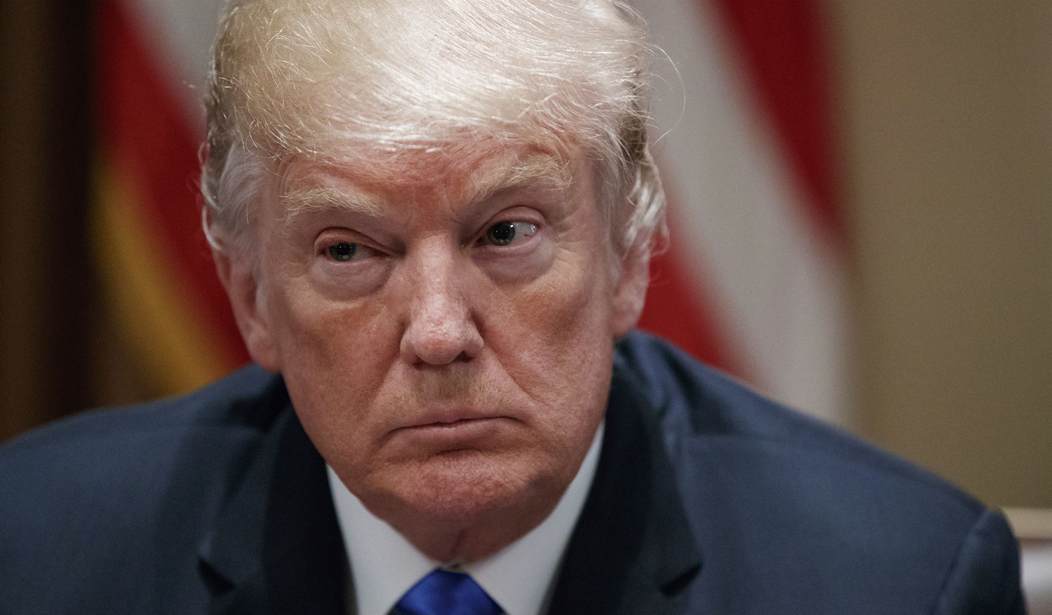
President Trump on Monday blocked Singapore-based Broadcom’s $117 billion bid to take over Qualcomm, citing national security concerns.
“There is credible evidence that leads me to believe that Broadcom Limited…through exercising control of Qualcomm Incorporated, a Delaware Corporation, might take action that threatens to impair the national security in the United States,” Trump wrote in an executive order.
“The proposed takeover of Qualcomm by the purchaser is prohibited, and any substantially equivalent merger, acquisition, or takeover, whether effected directly or indirectly, is also prohibited,” he continued.
Lawmakers such as Congressman Duncan Hunter (R-CA), have long been sounding the alarm on the potential takeover.
If Broadcom acquires Qualcomm, the hostile takeover would make Broadcom the third largest chipmaker in the world, giving them control over a major portion of the supply chain, which is critical to the vital communications components such as Wi-Fi and cellular modem chips. Such a company, if subjected to national or terrorist interests adverse to America, could install lockout features to block our security agencies from monitoring mobile data. The possibilities for damaging U.S. security are limitless.
Broadcom, a Singapore-based company, has increasing ties with China. This should concern us as a nation. These ties were most recently reflected in the agreements Broadcom signed with HBC, Inspur and StarTimes. China has a finely honed capability to access the technology of companies such as Broadcom, along with that of their subsidiaries and acquisitions. (Hunter writing in the San Diego Union Tribune)
Recommended

The Committee on Foreign Investment in the United States (CFIUS) raised its concerns to both companies in a letter last week.
"This decision is based on the facts and national security sensitivities related to this particular transaction only and is not intended to make any other statement about Broadcom or its employees, including its thousands of hard working and highly skilled U.S. employees," U.S. Treasury Secretary Steve Mnuchin said in a statement. "The CFIUS process focuses exclusively on identifying and addressing national security concerns. This focused mandate reinforces our commitment to welcoming foreign investment, while at the same time reinforcing our commitment to protecting national security."










Join the conversation as a VIP Member