





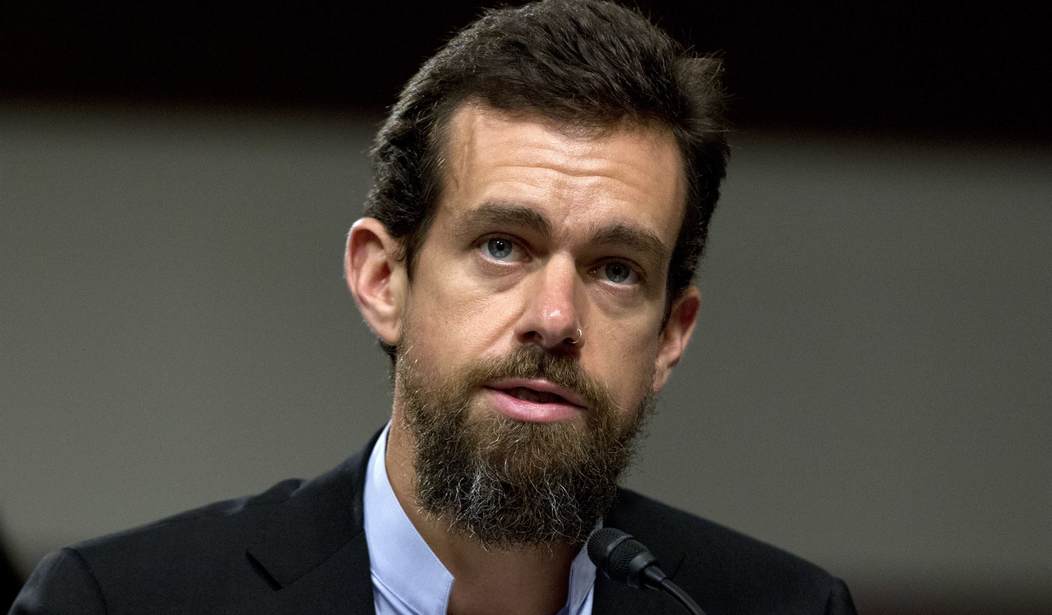
Twitter CEO Jack Dorsey was in the hot seat Wednesday before the House Energy and Commerce Committee over his company’s practices on content moderation. Both Reps. Cathy McMorris Rodgers (R-WA) and Michael Burgess (R-TX) asked about the excessive amount of time it took the company to take down a tweet threatening Meghan McCain despite many people reporting it.
An image of McCain crying by her father’s casket was doctored to show a gun trained at her with the caption: “America, this one’s for you.”
Many Twitter users, including Meghan McCain’s husband Ben Domenech, complained as the image was left up for five hours.
"I understand your algorithms, I understand you have to have checks and balances, but really, it shouldn't take hours for something that egregious to be addressed," Burgess told Dorsey.
Dorsey agreed and admitted that Twitter needs to improve its artificial intelligence to detect this sort of abuse. He said that he hadn't personally apologized personally to the McCain family but plans to do so.
"In this particular case, this was an image, and we just didn't apply the image filter to recognize what was going on in real time," he explained. "We did take way too many hours to act, and we are using that as a lesson to help improve our systems."
Dorsey told Rep. McMorris Rodgers, “our current model works in terms of removing content based on reports that we receive and we don’t believe that that is fair ultimately, we don’t believe that we should put the burden of reporting abuse or harassment on the victim. We need to build algorithms to proactively look for when these things are occurring and take action.”
Today, I asked @Jack why @Twitter was slow to take down a violent doctored photo targeting @MeghanMcCain. His response here: pic.twitter.com/KVIRleBDDC
— CathyMcMorrisRodgers (@cathymcmorris) September 5, 2018
“In the short term we need to do a better job at prioritizing around the reports we receive,” he concluded, “this is independent of what people see or report to us on the platform and in the longer term we need to take the burden away from the victim from having to report in the first place.”



Join the Conversation
VIP members get the ability to comment on articles.