The Reactions to This Predictable Revelation in 'Stranger Things' Are Gold
If That Figure Is Correct, That Is a Massive Infiltration of Hezbollah by...
Some of Us May Die, But It's a Sacrifice Democrats Are Willing to...
Hamas Operatives Funneled Over $8 Million to Military Wing in Italian Fundraising Scheme
White House Press Secretary Karoline Leavitt Is Pregnant
Louisiana Conspiracy Used Chop Shop and Fake Company to Sell Stolen Tractors, Excavators,...
Over $200,000 in Cryptocurrency Forfeited in Multi-State Elder Fraud Case
Cops Seize 55 Pounds of Drugs Disguised as Christmas Presents
Jamaican National Sentenced to More Than 24 Years in Federal Meth Trafficking Case
Why is Ilhan Omar's Husband's Investment Firm Removing Names From Their Website?
Tennessee Bookkeeper Who Stole $4.6 Million From Clients Sentenced to Prison
Make Vehicles Affordable Again
FBI Saves Taxpayers Billions in HQ Relocation
Gunman Dead, 3 Injured After Opening Fire on Idaho Sheriff's Office
Indicted Democrat Gets Dragged For Post Hiding $100k Ring Bought With Dirty Money
Tipsheet

A Winning Night for Political Speech

In the excitement of the primary outcomes yesterday it was easy to overlook decisions concerning the fundamental nature of our electoral system. Free speech won two victories yesterday, one in a courtroom and one on a ballot.
Advertisement


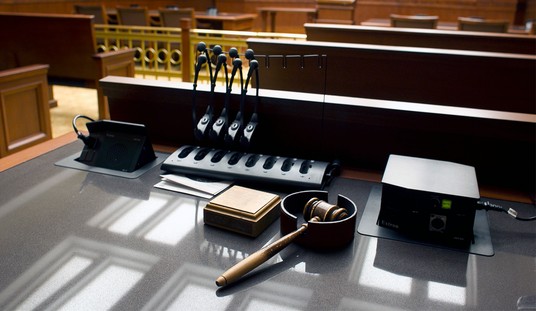
The Supreme Court blocked an Arizona campaign finance provision that forces taxpayers to subsidize elections. The Arizona law provides government "matching funds" for candidates running against those spending privately-raised campaign contributions. The law would have been in effect for the 2010 election season had the Supreme Court not intervened. Rest assured, taxpayers of Arizona, your money won't be used to fund candidates whose policy views you disagree with. For now.

And in California, voters rejected Proposition 15, which would have instituted a system similar to the Arizona one. Candidates running for office in California would have received at least $2.3 million of taxpayer money for the primary and general elections.

As Roger Pilon at Cato summarized,

When taxpayers underwrite the campaign expenses of candidates for public office, serious questions arise: Not least, why should taxpayers subsidize candidates or ideas they oppose? But when taxpayers subsidize only one side in a campaign, there should be outrage.
Join the conversation as a VIP Member

Recommended

Trending on Townhall Videos

Advertisement
Advertisement
Advertisement