





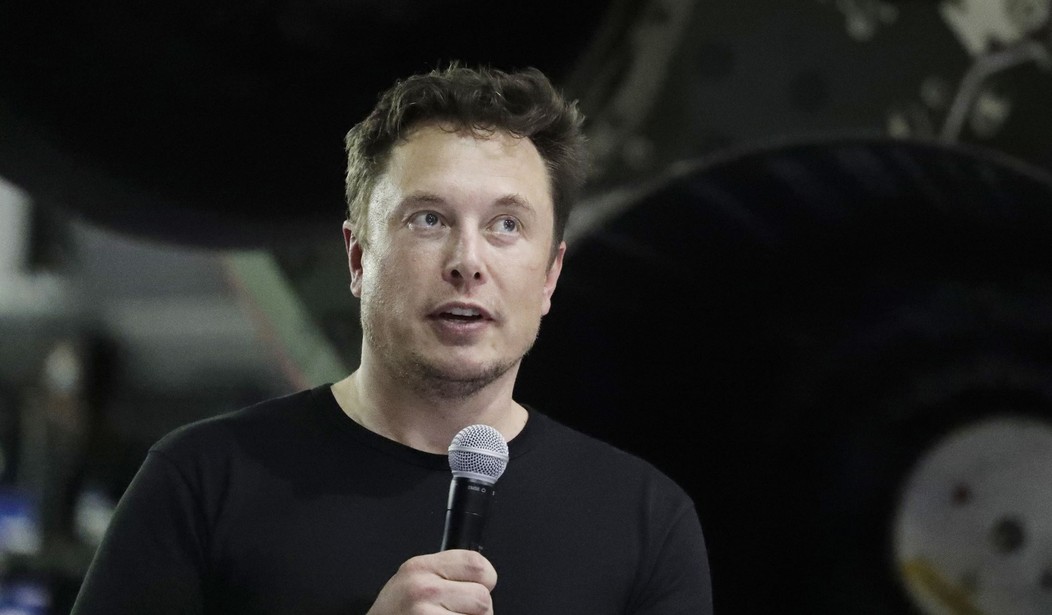
Over the weekend as Russia continued its invasion into Ukraine, billionaire Elon Musk was asked by Ukrainian Vice Prime Minister Mykhailo Fedorov to help the country as threats of a communication blackout were escalating.
@elonmusk, while you try to colonize Mars — Russia try to occupy Ukraine! While your rockets successfully land from space — Russian rockets attack Ukrainian civil people! We ask you to provide Ukraine with Starlink stations and to address sane Russians to stand.
— Mykhailo Fedorov (@FedorovMykhailo) February 26, 2022
Within hours of the request, Musk delivered and announced the launch of his Starlink communications system over the country.
Starlink service is now active in Ukraine. More terminals en route.
— Elon Musk (@elonmusk) February 26, 2022
??Elon Musk's Starlink satellite system providing internet access is now active in Ukraine.
— The Kyiv Independent (@KyivIndependent) February 26, 2022
Satellite terminals are on the way to Ukraine. This could be useful if Russia’s attacks destabilize Ukraine’s internet.
"Starlink internet works by sending information through the vacuum of space, where it travels much faster than in fiber-optic cable and can reach far more people and places. While most satellite internet services today come from single geostationary satellites that orbit the planet at about 35,000km, Starlink is a constellation of multiple satellites that orbit the planet much closer to Earth, at about 550km, and cover the entire globe," Starlink explains. "Because Starlink satellites are in a low orbit, the round-trip data time between the user and the satellite – also known as latency – is much lower than with satellites in geostationary orbit. This enables Starlink to deliver services like online gaming that are usually not possible on other satellite broadband systems."


Join the Conversation
VIP members get the ability to comment on articles.