





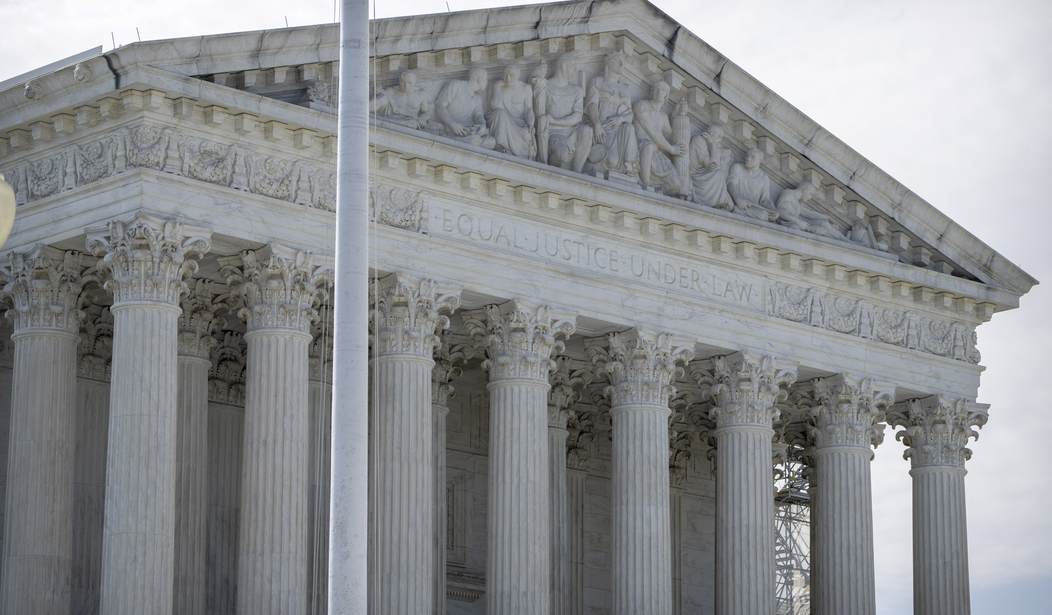
The Supreme Court has rejected the Trump administration’s request to vacate a lower court order requiring it to release about $2 billion in foreign aid that it had previously frozen.
The dispute centered on whether the district court possessed the authority to override President Donald Trump’s pause on the disbursement of foreign aid. The court let the ruling stand by a slim majority.
The debate over the matter began when President Trump decided to halt foreign aid disbursements. The U.S. District Court for the District of Columbia issued a temporary restraining order on February 13 preventing the administration from making this move. The same court issued an order on February 25 compelling the White House to release the $2 billion payments for services that had already been rendered.
The White House appealed the ruling to the Supreme Court, arguing that the district court lacked the authority to issue the ruling. Lawyers representing the Trump administration asserted that sovereign immunity prohibited the enforcement of the court’s order.
Chief Justice John Roberts had initially issued an administrative stay before the February 26 deadline under which the Trump administration had been ordered to process the payments. The Supreme Court did not necessarily endorse the lower court’s order, but suggested that further litigation was needed to clarify the government’s obligations when it comes to foreign aid.
“Given that the deadline in the challenged order has now passed, and in light of the ongoing preliminary injunction proceedings, the District Court should clarify what obligations the Government must fulfill to ensure compliance with the temporary restraining order, with due regard for the feasibility of any compliance timelines,” the ruling reads.
Justices Samuel Alito, Neil Gorsuch, Clarence Thomas, and Brett Kavanaugh dissented, criticizing their colleague’s refusal to intervene. Alito characterized the lower court’s ruling as judicial overreach.
“Does a single district-court judge who likely lacks jurisdiction have the unchecked power to compel the Government of the United States to pay out (and probably lose forever) 2 billion taxpayer dollars?” Alito wrote in his opinion. “The answer to that question should be an emphatic ‘No,’ but a majority of this Court apparently thinks otherwise.”
Alito further noted that “the Government must apparently pay the $2 posthaste—not because the law requires it, but simply because a District Judge so ordered.”
Today, the Court makes a most unfortunate misstep that rewards an act of judicial hubris and imposes a $2 billion penalty on American taxpayers. The District Court has made plain its frustration with the Government, and respondents raise serious concerns about nonpayment for completed work. But the relief ordered is, quite simply, too extreme a response.
This is not the end of the case, however, as litigation is expected to continue in this matter. The Supreme Court’s ruling does not resolve debates about sovereign immunity or appellate jurisdiction over district court orders.
The disbursement of foreign aid falls under the executive branch, which is responsible for allocating funds to foreign assistance programs while Congress determines how much foreign aid can be given to other countries. The president should have a level of discretion when it comes to delaying or redirecting this aid.
However, it is worth noting that once Congress has appropriated funds for specific programs, the executive branch typically cannot refuse to distribute them without legal justification. The outcome of this legal battle will likely be pivotal, especially as President Trump seeks to ramp down U.S. involvement in foreign matters.

Join the Conversation
VIP members get the ability to comment on articles.