





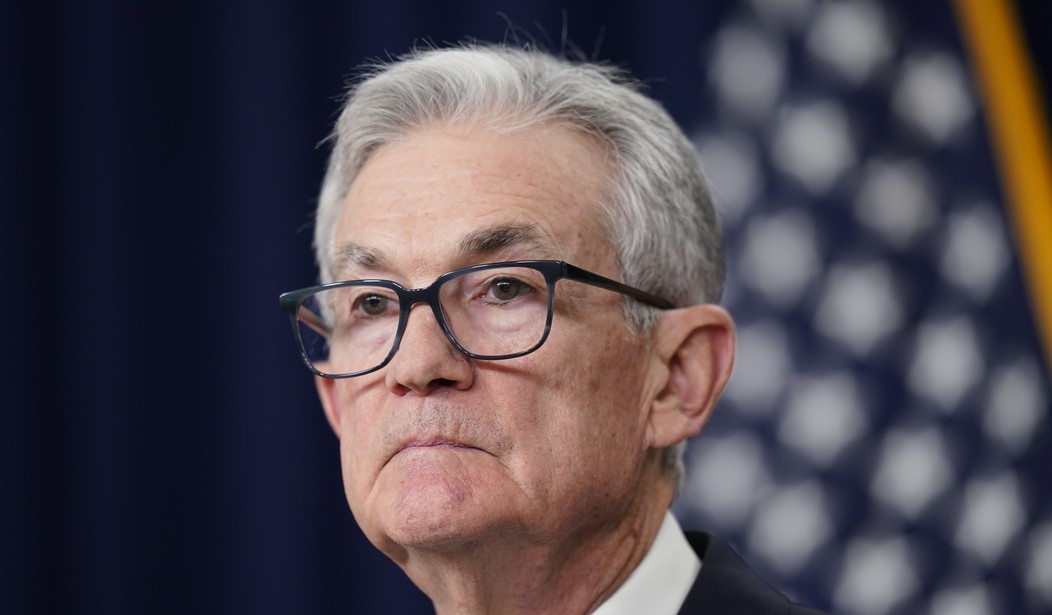
The Federal Reserve Board voted to cut interest rates by another quarter point for the third consecutive month. However, they seemed very unwilling to do more, as they are internally divided over which problem is worse, inflation or the job market.
BREAKING: Federal Reserve Cuts Interest Rates by 25 Basis Points for the Third Consecutive Meeting, Lowering Target Range to 3.50%–3.75%
— RedWave Press (@RedWave_Press) December 10, 2025
Fox Business: “Fed policymakers voted to lower the benchmark federal funds rate by 25 basis points to a new range of 3.5% to 3.75%. The move… pic.twitter.com/Uv7ElSD9JW
The interest rate was cut to between 3.5 percent and 3.75 percent, a three-year low, to help protect against a sharp slowdown in hiring. The vote was 9-3, which is the first time in six years that three officials dissented. Chicago Fed President Austan Goolsbee and Kansas City Fed President Jeff Schmid argued that the reduction wasn’t needed. At the same time, Fed governor Stephen Miran favored a larger cut, by half a point.
The cut signals the Fed is more concerned about the labor market than about inflation. Hiring has cooled in recent months as companies adjust to policy changes in trade and immigration policy. Unemployment sits at around 4.4 percent, and reports indicate weaker payroll gains amid broader economic adjustments.
From the Federal Reserve's press release:
Available indicators suggest that economic activity has been expanding at a moderate pace. Job gains have slowed this year, and the unemployment rate has edged up through September. More recent indicators are consistent with these developments. Inflation has moved up since earlier in the year and remains somewhat elevated.
The Committee seeks to achieve maximum employment and inflation at the rate of 2 percent over the longer run. Uncertainty about the economic outlook remains elevated. The Committee is attentive to the risks to both sides of its dual mandate and judges that downside risks to employment rose in recent months.
In support of its goals and in light of the shift in the balance of risks, the Committee decided to lower the target range for the federal funds rate by 1/4 percentage point to 3-1/2 to 3‑3/4 percent.
The move signals a win for President Trump, who has long demanded that Jerome Powell lower the interest rates and even threatened to fire him. Powell's term as Fed Chair is set to end in May, although he'll remain on the board through 2028. Trump has reported that he is conducting interviews to identify a replacement for Powell, with Kevin Hassett, the current Director of the National Economic Council, the leading candidate.
Editor’s Note: Thanks to President Trump’s leadership and bold policies, America’s economy is back on track.
Help us continue to report on the president’s economic successes and combat the lies of the Democrats. Join Townhall VIP and use promo code FIGHT to get 60% off your membership.


Join the Conversation
VIP members get the ability to comment on articles.