





The media jumped the gun on the Jussie Smollett case. Just as soon as the "Empire" actor claimed, without evidence, that he had been attacked by two Trump supporters in Chicago because of his skin color and sexual orientation, news outlets ran with the story. It wasn't until days later that evidence came to light and police began to question Smollett's narrative. New proof suggests Smollett hired two Nigerian brothers to "attack" him. One of the brothers was an extra on "Empire."
You'd think the same outlets would've learned from another recent reporting faux pas. A group of Covington Catholic High School students were smeared based on one student's "smirk" at a Native American veteran in Washington, D.C. Later we learned it was the veteran who instigated the incident.
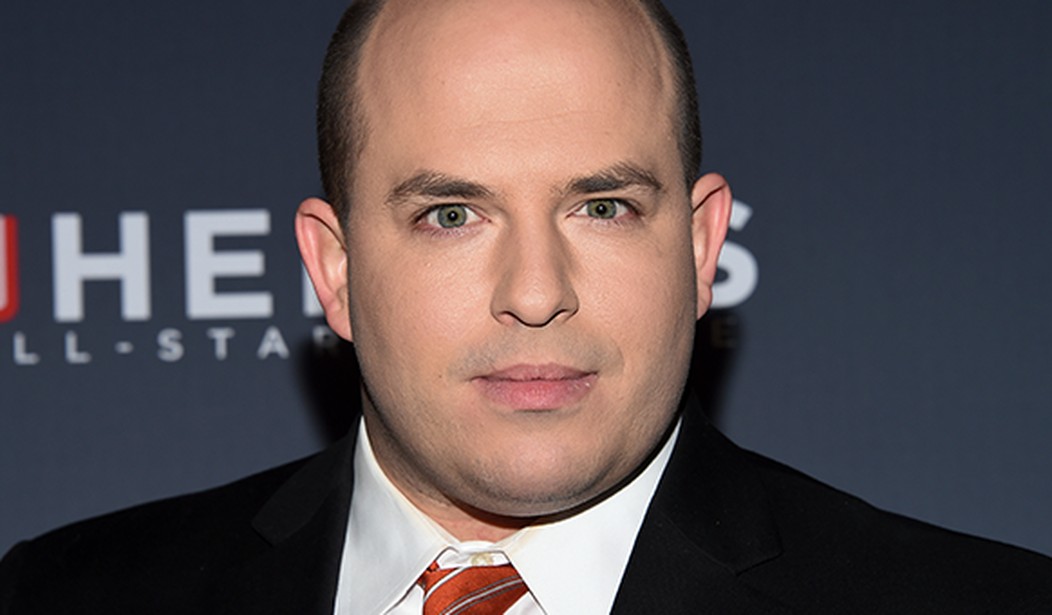
If you ask CNN's Brian Stelter, however, his network and other news outlets are not to blame for stoking the Smollett scandal. Stelter's colleague Alisyn Camerota noted she was surprised how folks in the media took Smollett's side before there were even any photos or police statements. Stelter agreed, yet tried to vindicate the media. It's the "Twitter people" who rushed to judgment, he said.
.@brianstelter this morning: "There was a rush to judgment, I think it was mostly in the celebrity press and among activists and among Twitter people. I think it was a really careful reporting by news organizations. But it all gets lumped in together at the end of the day..." pic.twitter.com/165Dn3HI7p
— Julio Rosas (@Julio_Rosas11) February 18, 2019
"There was a rush to judgment," Stelter said on Monday. "I think it was mostly in the celebrity press and among activists and among Twitter people. I think it was really careful reporting by news organizations."
"But it all gets lumped in together at the end of the day," he added. "It all gets lumped in together in the minds of many people who now look at this and say what went wrong here? And obviously, at the end of the day, what went wrong is that he may have made it up and ultimately, that's his responsibility."
If you ask Matt, he has a much different perspective on the media's role in reporting on this alleged hate crime. He highlights Steve Krakauer's analysis of the media's conclusion jumps. Krakauer considers, for instance, the pointed adjectives outlets used or omitted in their headlines.
Another issue with the media coverage of Smollett was the immediate secondary story. Here, demonstrated by @CNN and @BuzzFeed, any element of skepticism was dismissed by these tweets about celebrity response to the “brutal attack” (no “alleged” in there). 4/ pic.twitter.com/SrmkkyCGZE
— Steve Krakauer (@SteveKrak) February 18, 2019
Former White House Press Secretary Ari Fleischer predicts the media will not learn.
Excellent thread here. But I have little faith any lessons will be learned. The press can’t resist. They’ll do it again because controversy beats accuracy. https://t.co/nySAgY1mhc
— Ari Fleischer (@AriFleischer) February 19, 2019

Join the Conversation
VIP members get the ability to comment on articles.