





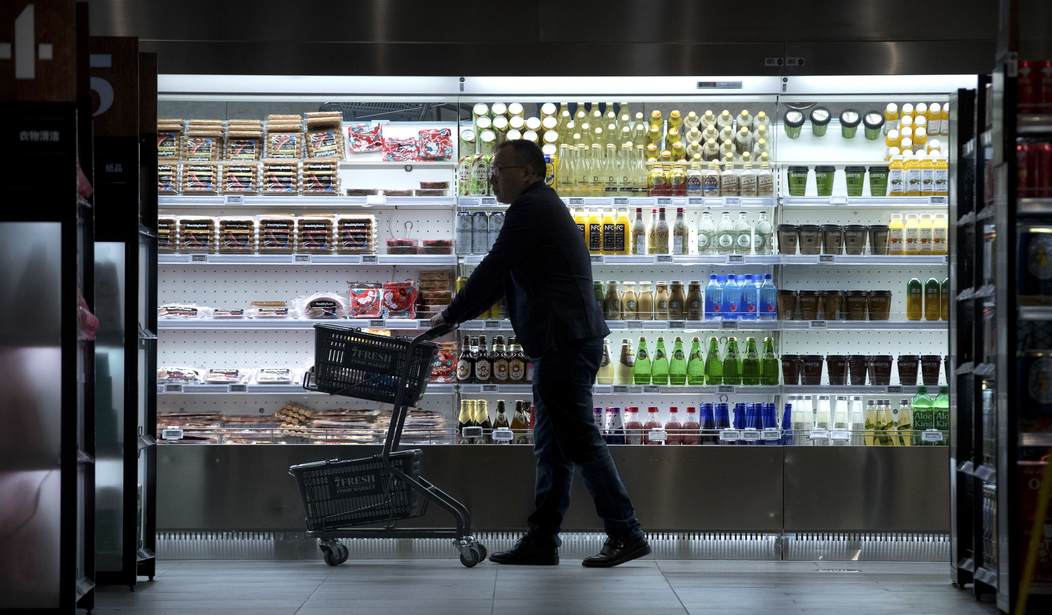
While crime and mobs of so-called "youths" plague Chicago, residents are livid as seven more grocery stores shut down in Chicago this past weekend. This comes despite the fact that the city, already tens of millions of dollars in debt, spent $14 million to keep these stores open.
7 more grocery stores are shutting down in Chicago this weekend
— End Wokeness (@EndWokeness) July 24, 2026
The city spent $14M to help them stay
Residents are outraged: pic.twitter.com/llND2QbQ4s
"I know the struggle, I was there," said one resident. "I saw it. So it's like, man, another blow to the community, and there ain't nothing we can do about it."
"We have nothing, you know? So, I don't know what we gonna do. There's nothing around here. This is basically the only store you can come to," said a woman from the community.
The seven Save A Lot stores shut their doors amid rising operational costs and other corporate financial struggles.
Seven Save A Lot grocery stores are set to close on the South and West sides Saturday as the stores’ operator faces financial difficulty and as efforts to find an emergency operator have not yet been successful, sources confirmed.
Grocery chain Save A Lot has worked with Ohio-based Yellow Banana since 2023 to operate stores in Auburn Gresham, Englewood, South Chicago, South Shore, West Garfield Park, West Lawn and West Pullman. But Save A Lot decided to end its agreement with Yellow Banana due to “significant financial headwinds” facing the grocery store operator, officials said in a statement Tuesday.
As Yellow Banana came under financial duress, Save A Lot took on additional responsibilities to keep the stores open — including providing financial support for vendors, employees and other stakeholders, and guaranteeing the stores were stocked and fully operational, sources told Block Club.
Save A Lot officials set a Saturday deadline to find an alternative investor or new supplier to keep the seven grocery stores open, company officials said Tuesday.
The $14 million was actually tax-increment financing (TIF), with another $13 million in New Market Tax Credits that were provided to Yellow Banana to buy and rehab six stores on Chicago's South and West sides. Those stores were required to open by March 2025 to keep the TIF dollars.
According to Block Club Chicago, the opening of those stores was met with protests, legal disputes, and other problems.
The stores also experienced a 26 percent decline in sales following changes to the federal Supplemental Nutrition Assistance Program (SNAP) under President Trump's "Big Beautiful Bill."
They steal from their local stores until they close down then steal from your local stores until they close down or lock everything behind plexiglass. We don’t have to live like this.
— The Dank Knight 🦇 (@capeandcowell) July 24, 2026
Crime, including theft, causes problems too.
Notice that nobody seems to be saying "we should arrest shoplifters".
— Mark Noonan (@Mark_E_Noonan) July 24, 2026
Mayor Brandon Johnson says that's "unholy."
Radical idea: instead of closing the stores, why not make them all-delivery? No customers, only delivery people. I only pay $100 a year to Walmart for free delivery - it seems like this would be cost-effective.
— Jamie K. Wilson (@jamiekwil) July 25, 2026
Because thieves will target delivery drivers.
Crime is one of the problems here.
So reduced SNAP benefits are shutting down grocery stores?
— Sarah Sizzle (@sizzle_sarah) July 24, 2026
If a 26% drop in EBT sales is enough to kill the business, that tells you how much of the previous volume wasn’t sustainable retail.
It was government-propped volume. https://t.co/IQSA8QkUeR
And widespread use of SNAP is also a problem.
Editor’s Note: The American people overwhelmingly support President Trump’s law and order agenda.
Help us fight back against the Democrats and Soros-backed DAs that refuse to enforce our laws to hold criminals accountable. Join Townhall VIP and use promo code FIGHT to receive 60% off your membership.

Join the Conversation
VIP members get the ability to comment on articles.