





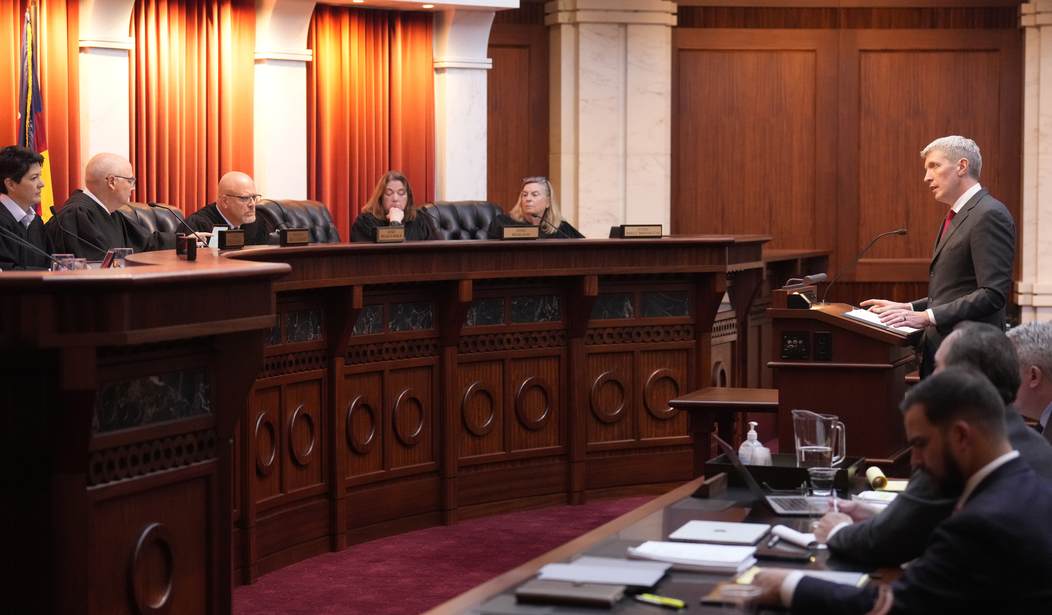
Two U.S. judges in separate federal courts have withdrawn their rulings after lawyers revealed that the filings contained inaccurate case details and seemingly made-up quotes.
The two cases are "the latest in a string of errors that suggest the growing use of artificial intelligence in legal research and submissions," according to Fox News' Breanne Deppisch.
In Mississippi, on July 23, U.S. District Judge Henry Wingate replaced an order he had originally issued in a civil rights lawsuit that paused the enforcement of a state law blocking diversity, equity and inclusion (DEI) programs in public schools.
Lawyers for the state notified Wingate that serious errors had been submitted by the opposing attorney. Furthermore, they claimed that the decision "relie[d] upon the purported declaration testimony of four individuals whose declarations do not appear in the record for this case." The filing also misidentified the plaintiffs and the defendants.
An unidentified person familiar with Wingate's temporary order in Mississippi reportedly confirmed to Fox News Digital that the erroneous filing submitted to the court had used AI-generated content, adding that they had "never seen anything like this" in court before.
Neither the judge nor the involved lawyers commented on the possibility of AI's involvement in the inaccurate filings.
On the same day, in New Jersey, U.S. District Judge Julien Neals withdrew his denial of a motion to dismiss a securities fraud case after lawyers revealed the decision was also based on inaccurate filings. The decision contained nonexistent quotes that were supposedly from other rulings.
Lawyers for the pharmaceutical company CorMedix wrote to Neals with concerns after he denied their motion to dismiss the lawsuit. Their concerns centered on three instances in which Neals' decision misstated the outcomes of past lawsuits being cited as precedent. CorMedix claimed the ruling also attributed two quotes to defendants that they did not made.
As a result, the judge withdrew his decision. Neals noted in the court docket that his opinion was issued in error and that he would issue a new one.
In both cases, the judges did not specify how the apparent errors were included in their decisions. The lawyers, when they brought the issues to the judges' attention, did not mention AI or other contributors for the inaccuracies.
Editor’s Note: Do you enjoy Townhall’s conservative reporting that takes on the radical left and woke media? Support our work so that we can continue to bring you the truth.
Join Townhall VIP and use the promo code FIGHT to get 60% off your VIP membership!


Join the Conversation
VIP members get the ability to comment on articles.