







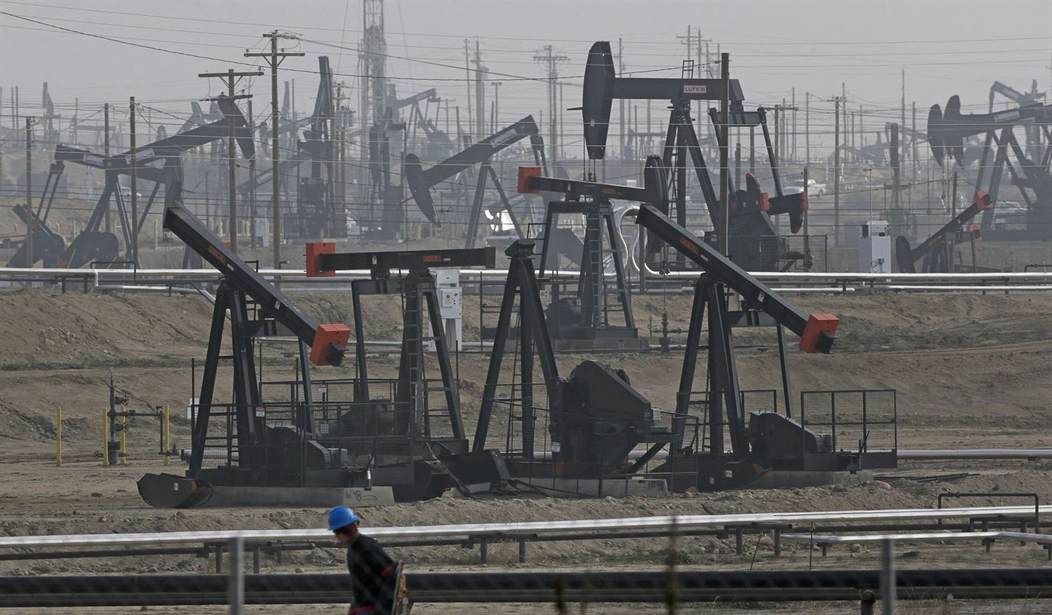
The coronavirus pandemic has plunged financial markets into turmoil. But a not insignificant part of this volatility, especially when it comes to oil prices, already at their lowest point in nearly 20 years, is because of OPECs proposed supply cuts coming apart.
Due to the current and expected reduction in oil demand, OPECs traditional members—dominated by Saudi Arabia—were seeking a 1.5 million barrel per day cut to production. But those cuts were conditional on OPEC+, which includes Russia, being on board.
The thing is, both Russia and Saudi Arabia have very low “breakevens” to produce oil, meaning that the oil price can be incredibly low and they can still make a profit when selling it, at least for a time. But where Russia has been fiscally responsible during the good times, Saudi Arabia has a bloated state bureaucracy which employs its potentially restless population. In other words, the Russians can probably withstand lower oil prices longer than Saudi Arabia can.
So when Saudi-led OPEC came to Russia to propose the 1.5 million barrel per day cuts, Russia said they weren’t interested. The Saudis, in an incredibly risky move, doubled down—if Russia wouldn’t agree to the proposed cuts, all OPEC restrictions on oil production would be off the table.
The move shocked markets. Both brent and WTI crude fell by over 20 percent on March 9, 2020, the biggest drop since the 1991 Gulf War. The shock on oil prices added to broader market volatility caused by the virus, and global stock markets were all significantly in risk-off mode on the day.
Why would Saudi Arabia do such a thing? Simply, Saudi Arabia is yet-again declaring a war on America’s shale oil producers. This is incredibly risky for the Kingdom—again, Saudi Arabia can’t withstand low prices for too long. But American policymakers should ask themselves the question that begins, ”with friends like Saudi Arabia. . .”
For the last decade, thanks to the technology revolution of hydraulic fracturing and horizontal drilling—to get at vast sums of oil trapped in shale rock—America has gone from being incredibly dependent on foreign oil to being largely energy independent. This technology revolution could only have happened in the U.S., and it’s a testimony to the power of free enterprise, private property rights, and America’s deep and liquid capital markets.
The American energy resurgence in the last decade means America’s producers are now the global swing producer of oil, keeping prices capped. Because U.S. shale producers can turn production on and off relatively quickly compared to old-school oil production methods, high oil prices can quickly be met with more oil supply. But the American shale producers have plenty of problems—many are incredibly indebted and overextended.
That’s why the Saudis spy a weakness. Their goal is to bankrupt as many shale players as possible, which the Saudis hope will eventually lead to far higher oil prices in the future, and a market dominated once-again by OPEC. We can’t get too mad at the Saudis—all’s fair in love and war as they say. But these clearly aren’t the actions of an ally. They are the actions of a country that, far from having aligned interests with the U.S., has completely divergent interests in many areas.
There’s a lesson in this for D.C. policymakers who are often quick to cater to Saudi interests. Instead of worrying about Saudi Arabia, America should be focused on getting the U.S. financial house in order so that we’re prepared for unexpected (but too often certain) events.
Amidst the coronavirus pandemic, folks should be reminded how important it is for the U.S. to focus our resources internally on fixing structural problems here at home. This is exponentially more important to Americans than Syria’s borders, or Saudi royal intrigue.
Willis L Krumholz is a fellow at Defense Priorities. He holds a JD and MBA degree from the University of St. Thomas.


Join the Conversation
VIP members get the ability to comment on articles.