





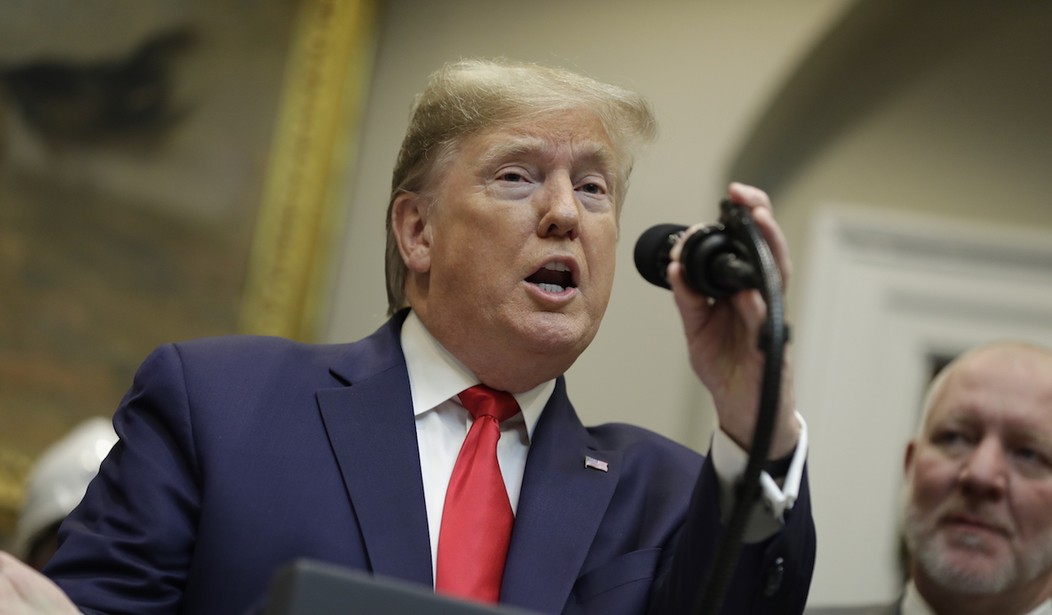
In the past several months, we’ve seen a flurry of state-level policy recommendations and actions aimed at making criminal justice reform a legislative priority. This week, President Trump granted clemency to 11 people whose length of incarceration didn’t fit their crimes. Today, President Trump is speaking at Hope for Prisoners, a Las Vegas organization that provides services and support to the formerly incarcerated as they work to reintegrate into society. There, he will speak to people re-entering the community, highlighting White House efforts to give former inmates new opportunities.
As the executive director of an organization on the frontlines of criminal justice reform, I have witnessed, for years, the personal toll the system takes on the incarcerated and formerly incarcerated. In many cases, it breaks them instead of healing them. In others, it alienates them from their support systems. And it often makes it nearly impossible for them to make a living when they have served their time, leading to higher recidivism rates.
Because of this, I applaud the administration’s prioritization of criminal justice reform efforts.
America incarcerates a higher percentage of our population than any other country, but it doesn’t have to. There’s a lot we can do. We can focus our efforts on mental health treatments and effective rehabilitation programs for substance abuse. We can utilize sentencing alternatives for nonviolent crimes. We can create more programs for post-incarceration employment.
Thanks to the president’s leadership, many former prisoners have a chance at a new life. Unemployment is at a 50-year low, making it easier for them to find jobs. Wages are rising, especially among low-income workers. President Trump’s Pledge to America’s Workers has led to company pledges to create employment and educational opportunities for more than 12 million Americans.
When former prisoners find jobs, or go to school, or find people who believe in their abilities, they avoid falling back into old patterns that sent them to prison in the first place; many of these patterns were a result of unemployment, poverty and unaddressed mental health or substance abuse issues.
With his speech today, President Trump is following up on the groundbreaking FIRST STEP Act of 2018, taking action to make our justice system fairer for all, including scaling recidivism-reducing programs around the country.
It will take more than landmark legislation, however, to change the system. And this is where I implore Americans to think about what they can contribute. It will take the engagement of faith leaders and the faith community to welcome former prisoners into their churches, offering them fellowship and help to find jobs and places to live. It will take business owners who are willing to take a chance on hiring someone they may not have considered hiring in the past. It will take compassionate and forward-thinking lawyers, judges and parole officers who can recognize when someone needs help, not punishment. It will take organizations like Hope for Prisoners that are willing to provide services and training programs, and it will take donors to make their programs possible.
After so many years in a career at the intersection of faith and justice, I have come to realize something important: What we all really need is meaning in our lives. Some people find this meaning through their spiritual beliefs and their faith communities. Others find it through the love of family and friends, through people who care about them. Others find it through the pursuit of meaningful work.
There is no question that criminal behavior should have consequences. But there are millions of people who also deserve forgiveness. If we give them a second chance at life, at having families, and at finding meaning in their lives, we’ll be living in a far safer, more productive and more compassionate country.
Timothy Head is the executive director for the Faith & Freedom Coalition.

Join the Conversation
VIP members get the ability to comment on articles.