







For generations, Paris has stood as a symbol of liberty. The French Revolution inspired oppressed peoples across the world. The words Liberté, Égalité, Fraternité became a beacon for those struggling against tyranny and injustice. That proud legacy suffered a grievous blow this weekend when French authorities blocked a peaceful gathering of more than 100,000 Iranians who had traveled from across Europe to raise their voices against one of the world's most brutal dictatorships. What occurred in Paris was a stain upon the reputation of France and a shocking assault on democratic freedoms.
For months, preparations had been underway for the annual gathering of Iranian supporters of democracy and human rights. Organizers worked closely with the authorities. Travel arrangements were made. Hotels were booked. Families journeyed from every corner of Europe. Thousands invested considerable time and expense to participate in a peaceful demonstration against the clerical regime in Tehran and its escalating campaign of executions, torture, and repression. Then, at the eleventh hour, everything changed.
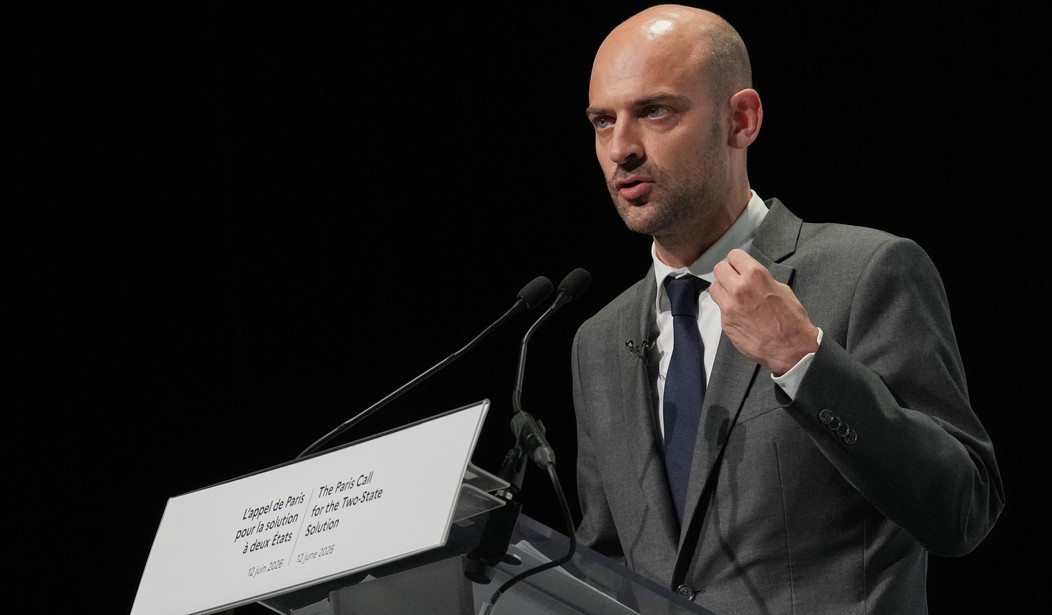
Following reports of a conversation between French Foreign Minister Jean-Noël Barrot and Iranian Foreign Minister Abbas Araghchi, permission for the rally suddenly disappeared. Whether coincidence or consequence, the result was unmistakable. A democratic gathering became the target of a massive police operation. Instead of welcoming peaceful demonstrators exercising their fundamental rights, French riot police descended upon them in overwhelming numbers. More than 700 buses carrying participants were halted and held for hours. Men, women, and elderly passengers found themselves trapped in temperatures reaching 36 degrees Celsius. Many lacked access to water, toilets, or shelter. Some suffered medical emergencies.
Others who attempted to assemble peacefully on the streets of Paris faced aggressive intervention. Video footage circulating across social media shows demonstrators wrestled to the ground. Pepper spray was deployed. Arrests followed. Several participants required hospital treatment. Among the most disturbing incidents involved a young Swedish woman who appeared heavily pregnant. Witnesses described how she was thrown violently to the ground by riot police despite her obvious condition. Images of that incident should trouble every citizen who values human dignity and civil liberties.
What possible threat did these people pose? They carried banners. They waved flags. They called for freedom, democracy, and human rights in Iran. This was neither a violent mob nor an extremist gathering. These were ordinary citizens exercising rights supposedly protected within every democratic society. Their crime, it seems, consisted of opposing the Iranian regime. The irony could scarcely be greater. During recent years, European governments have repeatedly declared support for freedom of expression, freedom of assembly, and human rights. Yet when 100,000 Iranians sought to expose Tehran's relentless execution campaign and its brutal suppression of dissent, those principles suddenly appeared negotiable.
History offers a clear lesson. Appeasement has never succeeded against totalitarian regimes. From the disastrous concessions made to Hitler during the 1930s to decades of accommodation toward the clerical rulers in Tehran, the outcome remains remarkably consistent. Concessions breed further demands. Weakness invites further pressure. Tyrants interpret compromise as opportunity.
The Iranian regime has spent 47 years exporting terrorism, sponsoring proxy militias, pursuing nuclear ambitions, and crushing domestic opposition. Tens of thousands of political prisoners have perished at its hands. Thousands more languish in prisons today. Executions continue at an alarming pace. Women face systematic oppression. Ethnic and religious minorities endure relentless persecution.
Against that background, the decision to silence peaceful critics of the regime on European soil sends a deeply troubling message.
Tehran will undoubtedly celebrate events in Paris as a diplomatic victory. Iranian state media will portray the ban as evidence that European governments fear the organized democratic opposition. Regime officials will conclude that pressure works and that democratic nations remain vulnerable to intimidation. That conclusion carries dangerous implications. Every concession granted to the Iranian dictatorship strengthens its belief that blackmail remains effective. Every attempt to silence democratic opponents encourages further aggression. Every retreat from principle weakens the moral authority of democratic governments. France, of all nations, should understand this reality. French history contains countless examples of courageous resistance against oppression. French citizens fought and died defending liberty against dictatorship. Their sacrifices deserve respect. Their legacy deserves protection.
Instead, this weekend witnessed a spectacle that many believed impossible in modern France, riot police preventing peaceful political expression while participants in a lawful demonstration endured treatment more commonly associated with authoritarian states. Many Iranians who traveled to Paris fled persecution in their homeland. Some lost relatives to executions. Others endured imprisonment and torture. They came seeking the protection and freedoms associated with democratic Europe. What they encountered left many shocked and bewildered. The damage extends far beyond one canceled rally. Trust has been eroded. Confidence has been shaken. Questions now arise concerning the willingness of European governments to defend democratic principles when confronted by pressure from hostile regimes.
France still has an opportunity to repair some of that damage. Transparency regarding the decision-making process would help restore confidence. An independent investigation into police conduct would demonstrate accountability. Above all, a clear reaffirmation of the right to peaceful assembly would signal that democratic values remain alive. The Iranian people continue their struggle for freedom despite executions, arrests, and relentless repression. Their supporters across Europe deserve solidarity rather than suppression.
The scenes witnessed in Paris this weekend should serve as a warning. Democracies rarely lose their freedoms in a single dramatic moment. Erosion often begins through small compromises, justified as temporary necessities or pragmatic decisions. France must decide whether it wishes to remain faithful to the ideals engraved upon its national conscience. Liberty, equality, and fraternity are far more than elegant words. They represent a solemn commitment. This weekend, that commitment was tested. This weekend, France failed.
Struan Stevenson was a member of the European Parliament representing Scotland (1999-2014), president of the Parliament's Delegation for Relations with Iraq (2009-14), and chairman of the Friends of a Free Iran Intergroup (2004-14). He is an author and international lecturer on the Middle East.
Editor's Note: For decades, former presidents have been all talk and no action. Now, Donald Trump is eliminating the threat from Iran once and for all.
Help us report the truth about the Trump administration's decisive actions to keep Americans safe and bring peace to the world. Join Townhall VIP and use promo code FIGHT to get 60% off your VIP membership.

Join the Conversation
VIP members get the ability to comment on articles.