





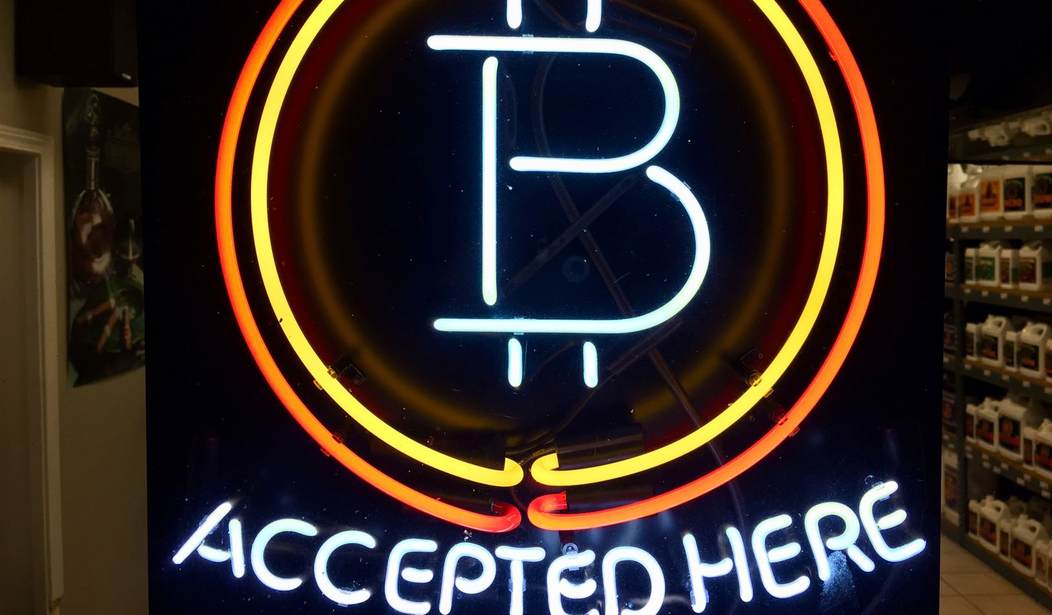
Finally we seem to have a bipartisan consensus in Washington. Both parties are terrified of new private money, and they want to regulate it out of existence. The near universal fear and loathing by government officials of these so-called cryptocurrencies is all the more reason they should exist.
A cryptocurrency is a privately sponsored and operated form of money that is not supplied by government. Bitcoin has already been traded for years, but the new leading horse is the multibillion-dollar Libra, which Facebook is creating.
A Wall Street Journal headline last week expressed worries of government officials: "Facebook Faces Broad Resistance to Crypto Plans."
Last week's congressional hearing on cryptocurrencies revealed broad agreement that U.S. regulators and policymakers must force cryptocurrency companies to comply with, as the Journal put it, "a panoply of regulations governing risks, money laundering, terrorism financing and evasions of sanctions."
Meanwhile, European Union officials say that private money could risk igniting "financial instability" in global markets. The White House has also voiced skepticism.
Rep. Maxine Waters, the chairwoman of the powerful House Financial Services Committee, has called on Facebook to "agree to a moratorium on any movement forward on a cryptocurrency until Congress and regulators have the opportunity to examine these issues and take action."
Thank God the internet didn't face this kind of universal resistance, or we would all still be using dial-up modems. What is everyone in government so afraid of? The one-word answer is competition. Cryptocurrencies challenge the state's stranglehold monopoly on fiat money. This could diminish the authoritative powers of arrogant and fallible central banks. Germany's finance minister has even admitted that cryptos should be stopped so they don't in any way challenge the supremacy of the euro.
Before refuting some of these concerns, for full disclosure, I should note that I recently became an investor and economic consultant with Decentral, a California-based crypto that will tie its currency to the dollar.
Cryptos will provide what we might call a "private option" alternative to government money. They are hedges against inflation, and they can execute global blockchain transactions much more swiftly and at lower costs than using government money. This is no more nefarious than in the old days transacting in gold tokens rather than dollars, euros or pesos.
The claim that these currencies will be used by drug runners, money launderers and tax evaders is certainly legitimate. But this is like saying that automobiles should have been outlawed because they were used as getaway vehicles for criminals like Bonnie and Clyde. Almost any new technology can be used for good or evil. There are many legitimate reasons that hundreds of millions of law-abiding citizens worldwide would want financial privacy from government. They shouldn't be suspected of criminal activity simply because they want that right.
What is truly laughable is the claim that cryptos risk causing financial panics. Wait a minute. The Fed and other central banks and government financial regulators have done a pretty good job of whirling up crises on their own. Nearly every recession and depression of the last century can be traced to government mistakes -- and often by the self-proclaimed oracles at the Fed.
Moreover, governments in the United States and around the world have amassed tens and even hundreds of trillions of dollars of debts and unfunded liabilities. It's hardly paranoid to think politicians will eventually try to inflate their way out of these debts.
Many political leaders believe the more they devalue their currency the bigger advantage they will have in international trade. Cryptos are a check and balance against currency debauchery.
Crypto currencies are coming one way or another, and the unprepared regulatory regimes will mostly delay and complicate their introduction or may send them underground. The more these products are resisted, the more it is likely to drive up demand for private money alternatives. Just look at the big gains in Bitcoin in recent months.
Congress and the regulators should let this new exciting digital technology proliferate. No one knows whether Libra, Decentral, Bitcoin or other private competitors will win out. But as Ralph Benko, formerly with the Chamber of Digital Commerce, has pointed out, "What would have happened to American technological dominance if regulators had snuffed out Google, Amazon, Facebook, Netflix?"
These companies would have been stillborn, and Google might have emerged in Switzerland, Facebook in Singapore, Amazon in Israel. This would only weaken America's technological superiority and hurt the dollar, not save it. Besides, who is a greater threat to our liberties and American economic prosperity? Mark Zuckerberg or Rep. Maxine Waters?
Stephen Moore is a senior fellow at the Heritage Foundation and an economic consultant with FreedomWorks. He is the co-author of "Trumponomics: Inside the America First Plan to Revive the American Economy."

Join the Conversation
VIP members get the ability to comment on articles.