







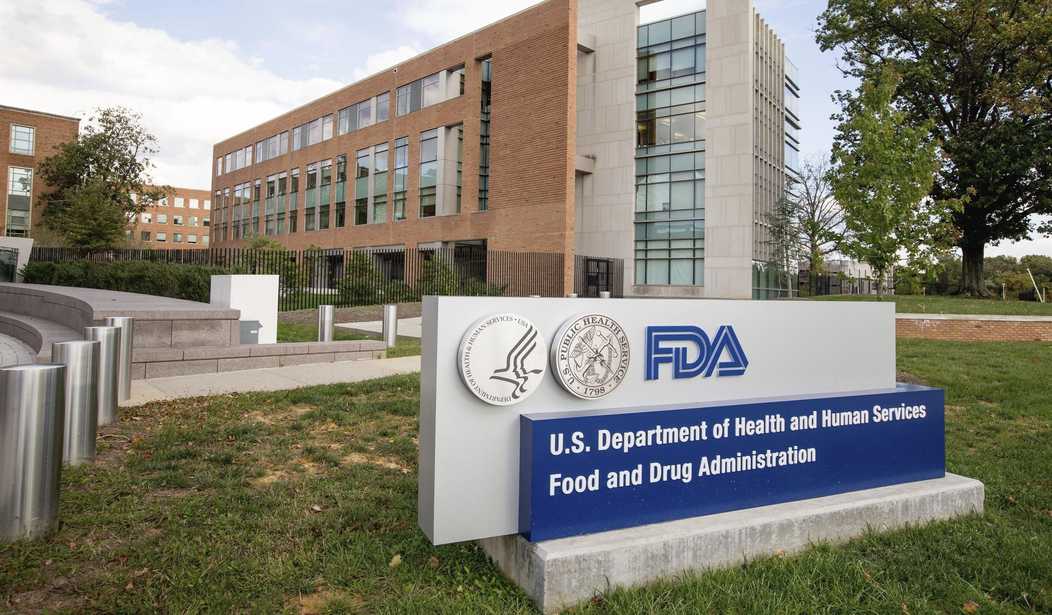
In response to the coronavirus pandemic, the Food and Drug Administration (FDA) had plenty on its plate in 2020. The agency evaluated countless new tests and medications and approved two vaccines less than a year after the vaccines were designed. Under this heroic effort, however, cracks have begun to emerge that demonstrate basic issues with the FDA’s evaluation process. Absent significant reforms, Americans will have to deal with continued foot-dragging and risk aversion from a historically reluctant agency. Lawmakers, and the incoming Biden administration, must work carefully with regulatory officials to forge a bold, new path forward for the beleaguered FDA. Millions of lives hang in the balance.
The world watched on December 11 as the FDA granted emergency use authorization (EUA) for the Pfizer-BioNTech COVID-19 vaccine to be distributed in the U.S. Just seven days later, the agency followed suit with an EUA for the Moderna vaccine. Just weeks after approval, the FDA is already doing its darndest to slow-walk the widespread vaccination of frontline healthcare workers and elderly Americans. The U.S. vaccination program is rolling out more slowly than anticipated, prompting calls by public health experts to delay the second dose for individuals already given the first jab. The idea is that the first vaccine dose appears to carry important protective effects against the virus and it’s therefore critical to inject as many Americans as possible with that first dose. That strategy has been endorsed by the U.K.’s independent Scientific Advisory Group for Emergencies and other western countries are considering following suit.
This approach does not sit well with top FDA officials, who have dismissed the idea of delaying second doses. Even though data previously cited by the agency notes “comparable” immune responses between one and two doses of Moderna’s vaccine, FDA Commissioner Dr. Stephen Hahn and vaccine division head Dr. Peter Marks argue that there simply isn’t enough data out there to definitively come to that conclusion. Even if this is true, scientists and public health officials could easily gain more information by allowing Americans to delay their doses should they choose to do so. The one-time vaccinated immune responses could then be compared to the responses of double-dosed Americans of the same age, gender, and medical conditions to determine how effective a single dose is versus a double dose. In allowing greater real-world testing, the worst-case scenario is that the first dose is only moderately effective and scientists may find out a second dose is needed after all. If the U.K. is onto something and single doses are indeed effective in stopping the coronavirus, current vaccination drives could be significantly sped up. And, with U.S. coronavirus-related deaths surpassing the 350,000 mark, the federal government must do everything it can to turn the tide of the pandemic.
Unfortunately, the FDA’s undue caution of vaccine dosing is part of a larger, ingrained culture of risk aversion. According to a 2019 study by MIT researchers, FDA statistical standards are far too strict for medications geared toward severe diseases such as pancreatic cancer. Even if a promising medication could save the life of a seemingly terminal patient, the agency doesn’t want the negative publicity of something negative happening after an ill-advised approval. George Mason University scholar Alex Tabarrok notes, “the FDA has an incentive to delay the introduction of new drugs because approving a bad drug (Type I error) has more severe consequences for the FDA than does failing to approve a good drug (Type II error). In the former case, at least some victims are identifiable, and The New York Times writes stories about them and how they died because the FDA failed. In the latter case, when the FDA fails to approve a good drug, people die but the bodies are buried in an invisible graveyard.”
The American people should hope that FDA reform becomes a reality, and millions of coronavirus patients aren’t buried in a (very visible) graveyard.
Ross Marchand is a senior fellow for the Taxpayers Protection Alliance.


Join the Conversation
VIP members get the ability to comment on articles.