







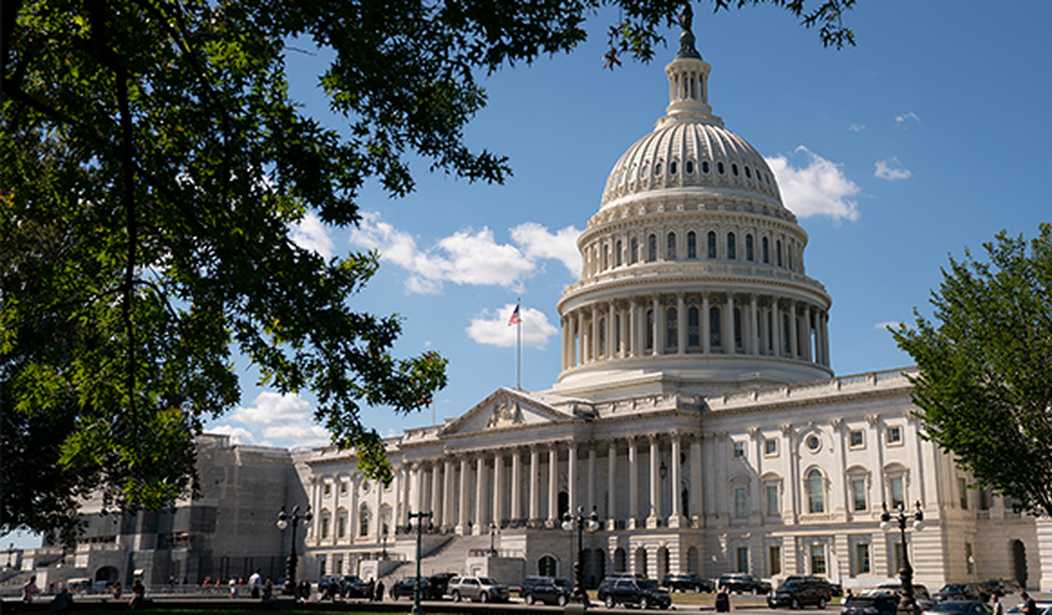
We’ve been down this road before: Washington seems to agree broadly on legislation to revamp the nation’s infrastructure, only to get hung up on pesky details. An example was the recent exchange between Senate Majority Leader Mitch McConnell (R-KY) and House Transportation and Infrastructure Committee Chair Peter DeFazio (D-OR). McConnell reiterated his reservations – already in clear view after President Trump called for a $2 trillion package last month – about huge deficit-financed federal spending on infrastructure. DeFazio responded by doubling down on a “massive investment” in public works “[j]ust like the New Deal of the 1930s”.
Unfortunately, there is considerable debate among economists over how successful various elements of the New Deal were in lifting the nation out of the Great Depression. And while strong, modern infrastructure undoubtedly supports a robust economy, simply spending more government money on various projects for “stimulus” has increasingly meant disappointing outcomes. Still, many policymakers seem determined to press on with a federal package, especially given the reality that the current highway funding law will expire in September. They must be guided by five simple pro-taxpayer principles: maximize private investment, control public expenditures, embrace “user pays” financing, reduce regulatory barriers, and increase oversight.
For example, the private sector’s multimodal networks that move freight are a key backbone of the American supply chain in these tough times. Federal officials should avoid undermining them. When House Democrats offered an infrastructure framework in January, discussion intensified over freight rail regulatory schemes that included train length restrictions, prioritization for passengers over freight on tracks, crew size minimums, and even bans on certain types of shipments like liquefied natural gas. Those schemes should not find their way into the next infrastructure package. This year marks the 40th anniversary of the Staggers Act, whose deregulatory approach allowed freight rail to thrive through private, user-funded investment instead of depending on tax dollars (a la Amtrak). Congress should not turn back the clock on this success.
The user-funded model for air traffic control (ATC) could likewise benefit the United States, just as it has in most every other industrialized nation. Creating a nonprofit entity accountable to stakeholders who pay for ATC services while allowing the federal government to focus more intently on safety regulation will deliver far more value for taxpaying travelers than the current antiquated system. Washington acted imperfectly to prevent the collapse of the commercial air sector after effectively shutting down passenger travel, but getting this part of the economy back to cruising altitude will take more forethought. ATC reform, rather than more government burdens on air travel, is the place to start.
The millions of Americans working from home during this crisis now understand that infrastructure has a broader meaning than merely roads, rail and bridges. The federal government must continue doing all it can to encourage private investment in our information-based architecture, including 5G wireless technology. That means making more spectrum available for development, shifting government spending away from building broadband in already well-served areas of the country, and avoiding legislative proposals to repeal the FCC’s Restoring Internet Freedom initiative. The FCC’s action, which rolled back Obama-era rules that treated the Internet like a public utility, led to an increase in telecom companies’ expenditures on connecting Americans. FCC’s wisdom has proven prescient. As former Member of Congress and House Internet Caucus co-founder Rick Boucher recently noted, despite huge jumps in Internet traffic of as much as 51 percent, U.S. download speeds are, so far, largely keeping up with demand. Meanwhile, in highly-regulated Europe, where traffic has risen by less, Netflix and YouTube have had to tap the brakes on streaming. One reason is underinvestment.
Instead of swelling the national debt by trillions of dollars on unproven “stimulus,” Congress can thoughtfully design an infrastructure package that will serve our economy well for decades to come. There are better proposals that reflect the principles of sound infrastructure policy:
· The SMART Infrastructure Act, which permits open competition for building materials on projects partially built with federal funds;
· The Revamping American Infrastructure Act, which prioritizes prudent “outcome-based” rulemakings as opposed to restrictive dictates;
· The Public Buildings Renewal Act, which enables more cost-effective public-private partnerships for constructing and maintaining local government facilities; and
· The Generating American Income and Infrastructure Now Act, which expedites the sale of government assets to raise revenues without raising tax rates.
While far from perfect, the CARES Act largely sidestepped infrastructure policies that would further strain the nation’s beleaguered finances for little benefit. As Congress considers follow-on legislation and executive branch agencies continue their work, taxpayers must be vigilant that government’s helping hand doesn’t become a heavy hand. At the same time, we must seize opportunities that will meaningfully contribute to the long-term resiliency of our economy. Sound infrastructure policy will serve both ends.


Join the Conversation
VIP members get the ability to comment on articles.