





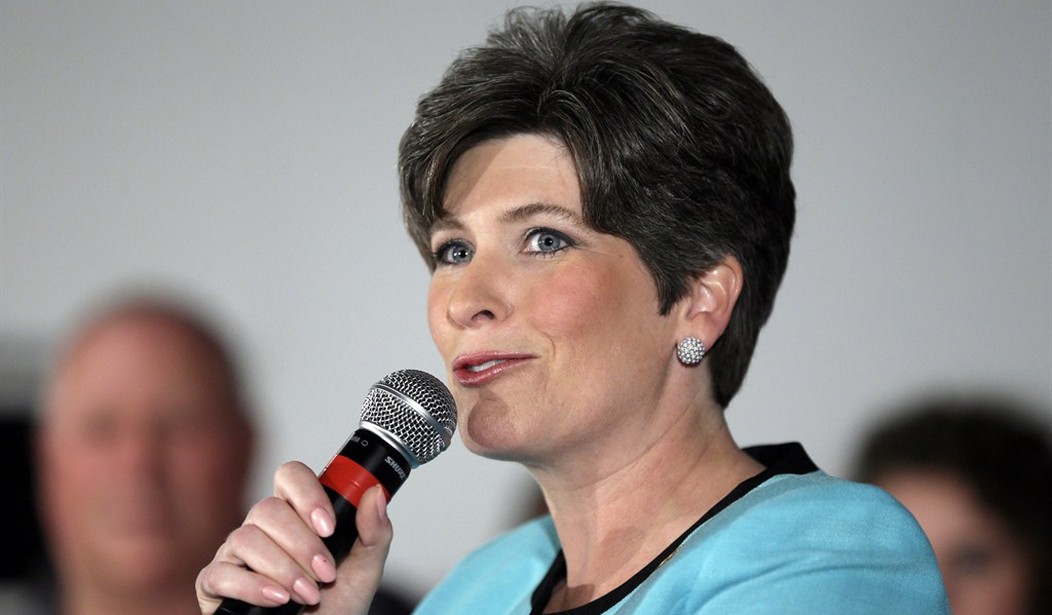
Voter discontent has given Republicans control of the Senate, but Americans may quickly become dissatisfied with the new cast on Capitol Hill.
Paychecks are stagnant and health care remains too expensive, but Americans often won’t accept what fixing big problems requires.
Here are six big challenges where public resistance stifles progress.
1. Globalization. Americans have opened markets to cheap imports, while China and other nations maintain high barriers to U.S. exports. Washington has not compelled reciprocity through specific actions that would restore about 3 million jobs.
Voters can’t seem to accept that putting everyone to work would raise productivity and wages enough to offset paying a bit more for a coffee table at Walmart.
2. Energy. The United States still imports about 5.5 million barrels of oil daily. Drilling bans off the Atlantic, Pacific and eastern Gulf Coasts keep Americans from producing all the energy needed, killing some 2 million good-paying jobs.
Most voters seem unable to accept that those restrictions don’t reduce environmental risks but merely shift them to developing countries.
3. Tax Reform. The corporate and personal income tax systems dole out special benefits to politically influential businesses, and many middle and working class families—not just the rich. To finance loopholes, taxes on jobs creating investments are too high and businesses take jobs abroad.
Income taxes could be junked in favor of a much lower, value added tax that treats everyone the same, but Americans cling to their privileges.
4. Technology and Education. Organizations, large and small, once employed batteries of white collar workers. Many were liberal arts college graduates having no great business acumen but who implemented the plans of more senior executives.
Computers and sophisticated apps have eliminated many of those jobs, but Americans send half of high school graduates to college. Many end up underemployed and terribly in debt.
Meanwhile, opportunities for workers with a technical high school diploma or a few years of additional training go unfilled.
Colleges should enroll fewer students and resources should be redirected into vocational education, but educators and parents won’t accept that most children should not go to college.
5. Fixing Obamacare. American health care is hardly the best. The Germans and Dutch have mandatory insurance, pay a third less for medical expenses and enjoy higher quality care.
Republicans keep preaching vouchers and competition, and Obamacare will drive up costs by subsidizing an already inferior system.
Voters are too willing to believe the ill-reasoning of politicians from one party or the other—then get frustrated when things don’t get better.
6. Bureaucratic Bloat. State and municipal governments have amassed huge union dominated bureaucracies that make everything from keeping a car to putting up a backyard deck a morass of regulations and compliance.
Union contracts burden voters with high taxes, poor service, and sometimes bankruptcy—Detroit is hardly America’s only municipal basket case.
Politicians who take on the problem, like Wisconsin Governor Scott Walker, risk losing their jobs.
Americans are correct to demand change but more gridlock in Washington is likely.
A Republican congress can send bills to the president. But he can paint even moderate proposals as serving the rich and attacking working families, and find a receptive audience among voters who don’t want to bear the discomforts genuine reforms require.
Still the Senate Republicans can hold hearings and encourage a bipartisan dialogue about how we could better manage globalization, energy, tax and other policies that need to change.
In Washington, tough things get done by building a consensus for change, or in the wake of crisis when one group or another pushes through a bad solution—look at how Dodd Frank and Obamacare have further mucked up banking and health care.
Reason can prevail—and that’s why the framers of the Constitution gave us a Senate.
Peter Morici is an economist and professor at the Smith School of Business, University of Maryland and a widely published columnist. He tweets @pmorici1


Join the Conversation
VIP members get the ability to comment on articles.